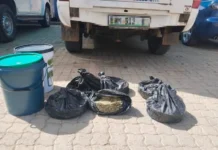
MAKWASSIE, North West — The Makwassie water crisis has deepened as emergency water tankers transition from a temporary relief measure into a permanent way of life for local residents. In the Maquassi Hills Local Municipality, households equipped with functional yard taps are finding their infrastructure largely dry, forcing entire communities to rely on an inconsistent municipal tanker system just to meet basic daily needs.
For many in the Lebaleng community, turning on a tap has become an act of hope rather than expectation. The physical and emotional toll of the dry taps is heavily felt by vulnerable demographics. Tabo, a local resident, lives with his 55-year-old mother who assists in fetching water when he is unable. She describes the physical strain of the daily chore and the necessity of using their limited supply sparingly. Tabo emphasizes that securing a reliable water source is crucial so that local children do not face humiliation and can maintain their dignity at school.
The burden is equally heavy on the elderly. A 64, and a 62 year-old, both manage chronic medications—a task made exceedingly difficult without a consistent water supply. Lacking the physical strength to fetch water themselves, they are forced to rely on neighbors for assistance, paying them out of their old age grants to secure this basic necessity.
Municipal officials attribute the severe shortages to rapid population growth and aging infrastructure that place enormous pressure on water provision. Spokespersons for the municipality clarified that the emergency water tankers were initially introduced in 2022 as a temporary intervention while long-term infrastructure challenges were addressed. However, four years later, many residents remain dependent on the service with no clear timeline for the restoration of running tap water.
To combat the crisis, the municipality has outlined a multi-year project funded by internal municipal resources to replace aging boreholes. According to municipal representatives, they have already replaced almost five boreholes in Wolmaransstad and nearly three in Maquassi, which is closer to Lebaleng.
The ongoing dependency has drawn the attention of the South African Human Rights Commission (SAHRC). The commission established that while water tanks have been provided in some areas, they are not consistently refilled because the supply relies heavily on the proper functioning of solar generators. Consequently, residents are often forced to fetch water from neighboring communities. Furthermore, the SAHRC highlighted severe sanitation inadequacies, noting that several households are relying on bucket systems due to a lack of functional toilets.
The commission has formally recommended that the municipality submit a comprehensive plan detailing a cost breakdown and strict timelines to address the short- and long-term water access challenges in Wolmaransstad and Maquassi to ensure basic water supply in these communities.
The situation in the North West echoes broader national concerns, recently amplified by a tragic incident in KwaZulu-Natal that thrust the reality of water tanker dependency into the national spotlight. For the residents of Makwassie, the central question is no longer whether emergency water will arrive today, but whether these emergency interventions have quietly become a permanent municipal policy.