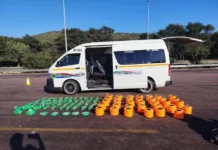
In a swift and coordinated rescue operation, 84 vultures were saved after a mass poisoning incident linked to poachers in Kruger National Park. The poisoning, which targeted an elephant carcass laced with toxic pesticides, was uncovered thanks to the Endangered Wildlife Trust’s (EWT) advanced surveillance system.
A Tragic but Preventable Incident
The poisoning is believed to be tied to poaching activities, where toxins are often used to eliminate vultures—nature’s cleanup crew—to prevent them from alerting rangers to illegal kills. Vultures play a crucial role in ecosystems by preventing the spread of disease through scavenging.
John Davies, Project Coordinator at EWT, explained that the rescue was made possible through GPS tracking technology fitted on vultures. “These solar-powered tracking units last up to 10 years and alert us when a bird stops moving unnaturally,” Davies said. “This allows rapid response teams to locate and assist affected birds.”
A Race Against Time
Upon detecting the poisoning, SANParks rangers and EWT officials rushed to the scene, administering life-saving treatments to the vultures. Davies noted that the survival rate for such rescues is an impressive 96%, thanks to refined rehabilitation protocols.
“The first birds are already recovering and could be released as early as Monday,” Davies said. “Vultures are incredibly resilient, and we expect most to return to the wild within two weeks.”
The Ongoing Battle Against Wildlife Crime
This incident highlights the persistent threat of wildlife poisoning, often overshadowed by high-profile poaching cases like rhino horn trafficking. Davies emphasized that poisoning is a common tactic, particularly in targeting large carnivores like lions, with vultures frequently caught in the crossfire.
How the Public Can Help
Davies urged the public to become advocates for vulture conservation, stressing their ecological importance. “If you see a vulture behaving unusually—unable to fly or appearing disoriented—report it immediately to authorities like EWT or SANParks,” he said.
Vultures: The Unsung Heroes of Ecosystems
Often underappreciated, vultures serve as vital scavengers, preventing disease outbreaks by efficiently disposing of carcasses. “Without them, ecosystems would suffer catastrophic consequences,” Davies warned.
As the rescued vultures prepare for release, this incident serves as a stark reminder of the ongoing challenges in wildlife conservation—and the critical need for vigilance, technology, and public support in protecting these essential species.