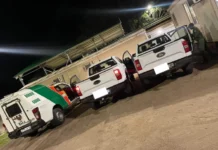





KWAZULU-NATAL, South Africa — The “March and March” movement has ignited a wave of nationwide demonstrations across South Africa, demanding stricter government action against illegal immigration as weekly protests continue to sweep through communities. Organizers have issued a December deadline for the government to address their grievances regarding undocumented foreign nationals, sparking a series of coordinated marches that have drawn significant attention from both local residents and law enforcement.
Nationwide Marches and Core Demands
The movement, led by Jacinta Ngobese-Zuma, recently launched its campaign with at least 25 simultaneous demonstrations across the country. Key locations included on KwaZulu-Natal’s south coast and various areas in Mpumalanga. While Ngobese-Zuma acknowledged that some foreign nationals have already departed the country, she emphasized that many remain. To maintain momentum, the movement announced that weekly marches will take place every Thursday. Additionally, organizers plan to launch a dedicated hotline allowing citizens to report unlawful activities linked to undocumented foreign nationals.
Economic Frustrations and Local Employment
At the heart of the protests are deep-rooted economic frustrations, particularly within deep rural communities. During the demonstrations, local residents voiced concerns over the dominance of foreign nationals in the informal retail sector. Protesters expressed that foreign-owned shops predominantly employ their own citizens, leaving locals—particularly women—without employment opportunities. The demonstrators are calling for foreign shop owners to return to their home countries, allowing South Africans to take over these businesses and create local job opportunities.
Government Response and Law Enforcement Warnings
In response to the growing tensions, the KwaZulu-Natal Premier has taken an active role in community education and awareness. During a recent visit the Premier engaged with residents, agreeing that individuals in the country illegally must return home. However, he cautioned that some foreign nationals hold legal status and urged the community to act as the “eyes and ears” of the police rather than taking the law into their own hands, noting that citizens are not authorized or compensated to enforce the law.
Siyanda Biyela, spokesperson for the National Community Policing Forum (CPF), echoed this sentiment. He praised citizens for standing up to protect their communities but emphasized that anyone found committing crimes during the protests will be arrested.
Health Concerns and Retail Standards in Mpumalanga
Tensions have also spilled over into economic and health-related disputes. In Mpumalanga, several shops were forced to close after community members removed food items from the shelves. This action followed the tragic deaths of two local residents who consumed contaminated biscuits. Addressing the incident, CPF spokesperson Siyanda Biyela highlighted the challenges regarding the products being sold by some foreign nationals. He called upon foreign ambassadors and high commissioners to ensure that their citizens trading in South Africa maintain proper health and safety standards.