



Hundreds of foreign nationals who had sought refuge at the Diakonia Centre in the Durban CBD have been transported to an eThekwini refugee facility, where they will undergo processing by Home Affairs officials.
The relocation follows days of tensions between foreign nationals and local residents, including members of the March and March movement, which has been leading a campaign against undocumented immigration in South Africa.
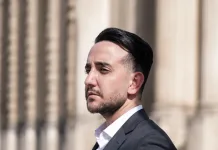
eThekwini Executive Mayor Cyril Xaba, who arrived from Cape Town to address the situation, confirmed that buses had been organized to transport the foreign nationals to a refugee center in Merebank for processing.
“We have organized buses. They will be transported to the refugee center to be processed,” Mayor Xaba told reporters at the Diakonia Centre. “Home Affairs is going to work around the clock. The court is going to work around the clock. That’s how we have planned it.”
The mayor explained that eight representatives, each representing a different country, had been part of discussions with provincial authorities, Home Affairs, and police to resolve the situation.
Mayor Xaba outlined the two-track process: those found to be lawfully in South Africa with proper documentation will be reintegrated into their communities with police protection, while those without valid documents will be arrested, processed through the courts, and deported.
“I impressed upon them that they must be ready to work overtime judging by the numbers,” Xaba said, adding that the head of court has designated a magistrate and court to process cases.
The foreign nationals had initially gathered at the Durban central police station after fleeing their homes and workplaces, claiming they faced imminent attack and had received threats. The Diakonia Centre, a privately owned property, had housed them for two days but could not accommodate them indefinitely.
Conditions at the centre were described as deplorable, with women, children, and babies sleeping on pavements in the open air, without toilet facilities or running water for two days.
One foreign national woman awaiting transport told a reporter: “It’s very difficult and it’s too cold here. No food from morning. We are hungry. We want to be safe. One safe place.”
Not everyone welcomed the relocation plan. A March and March member expressed frustration that taxpayer money was being used to transport foreign nationals.
“These buses are our taxpayers’ money. We pay tax there not to transport these people. These people were supposed to pay for their own transport. Their embassies were supposed to contribute,” the member said.
Another South African citizen at the scene said: “We are sick and tired of having them here. These people disrespect us. When we go and visit other countries we follow the bylaws. They must respect the laws of South Africa.”
Some foreign nationals reportedly fled rather than board the buses, with protesters suggesting those running away were likely undocumented and feared being caught out during Home Affairs verification.
Police and metro law enforcement officers were deployed in large numbers to ensure the process remained peaceful and to prevent clashes between the groups.
President Cyril Ramaphosa, speaking in Botswana on the same day, addressed the broader immigration situation. He said that while South Africa has welcomed and integrated immigrants since the dawn of democracy, the country has also experienced a high influx of undocumented immigrants, which has intersected with economic hardship and unemployment, contributing to tensions.
The president strongly condemned citizens who take the law into their own hands and said he had directed law enforcement agencies to protect every person in the country and uphold the rule of law.
Meanwhile, Human Rights Watch issued a statement saying vigilantes in South Africa have carried out xenophobic attacks targeting African and Asian foreign nationals in recent weeks with “little or insufficient apparent response from police and other authorities.”
The Ghanaian Ministry of Foreign Affairs also announced it has deferred the evacuation of its nationals from South Africa by a few days, citing legal and logistical requirements. More than 800 Ghanaians have reportedly registered with the High Commission in Pretoria seeking repatriation.
Mayor Xaba confirmed that police have committed to providing security to everyone lawfully in the country. “If there’s any problem, we’ll step in and ensure that their safety is guaranteed,” he said.