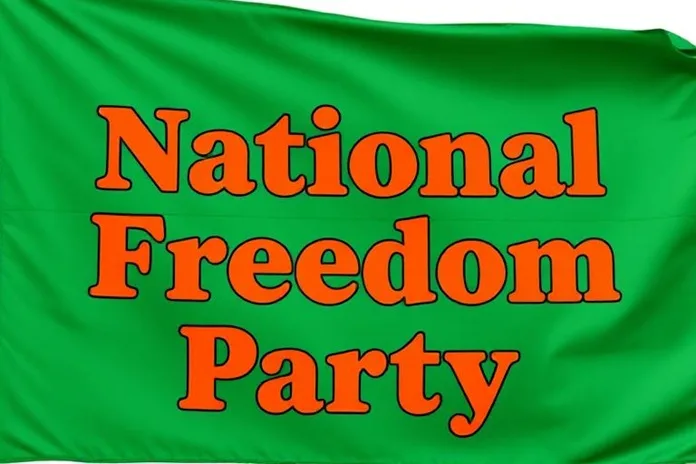
The political landscape in KwaZulu-Natal has been thrown into turmoil following the National Freedom Party’s (NFP) formal withdrawal of support for Premier Thami Ntuli. The party has cited poor governance, financial mismanagement, and a weak coalition as the primary reasons for its decision.
In a move that signals a significant shift in the province’s power dynamics, the NFP is now calling for a new political direction and has suggested that the MK Party should take a leading role in the government. The announcement has cast a shadow over the stability of the current coalition governing the province.
Political analyst Professor Bheki Mngomezulu from Nelson Mandela University provided a stark analysis of the situation, suggesting the crisis was predictable. He argued that the multi-party coalition, comprising the Inkatha Freedom Party (IFP), the African National Congress (ANC), and the Democratic Alliance (DA), was formed with “ill intentions” and was “never sincere from day one.”
Professor Mngomezulu traced the current instability back to the aftermath of the 2024 general elections. He noted that the MK Party had won the most seats in the legislature with 37 out of 80, which ordinarily should have allowed it to form a government. However, a deal struck between the ANC, DA, and IFP at a national level was translated to the province, sidelining the MKP.
The NFP, which holds a single but crucial seat, initially lent its support to the IFP-ANC-DA bloc, giving them a narrow majority of 41 seats. Professor Mngomezulu indicated that the NFP’s dissatisfaction was rooted in a “trust deficit” and unfulfilled promises, including an alleged understanding that NFP leader Ivan Barnes would be appointed to a mayoral position, which did not materialize.
While the NFP has publicly stated its withdrawal is due to Premier Ntuli’s performance, including allegations of wasteful international trips and a lack of review meetings, Professor Mngomezulu believes these are “supplementary matters.” He contends the core issue is the NFP’s fundamental unhappiness within the coalition, stating, “The reasons are not the real reasons in my view.”
The withdrawal has created a precarious 40-40 seat deadlock in the 80-seat legislature. On one side, the MK Party (37 seats) and the EFF (2 seats), now potentially joined by the NFP (1 seat), would collectively hold 40 seats. The opposing bloc of the IFP (15), ANC (14), and DA (11) also holds 40 seats.
Professor Mngomezulu warned that this stalemate puts KwaZulu-Natal “in a crisis,” creating a high risk of political instability. He expressed concern that the situation could mirror past local municipality dramas, where a single politician’s decision to abstain or switch sides could break the tie, potentially through bribery or coercion.
The professor also raised an alarm about the potential for a rise in political violence, linking the current power struggles to the recent disbanding of the Political Task Team (PTT). He fears that with high stakes ahead of the 2026 local government elections, the province could see an “unwelcome situation whereby politicians will be killed.”
As the province awaits its next move, the focus, according to Professor Mngomezulu, should be on the citizens who are affected by the political infighting. He urged politicians to “put their personal interest aside” and prioritize the stability and service delivery needs of the people of KwaZulu-Natal.