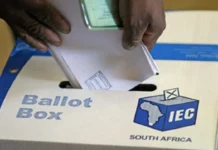




PRETORIA — The Independent Electoral Commission has initiated its nationwide IEC voter registration weekend, marking the first of several planned enrollment drives ahead of the upcoming November local government elections. While the initiative aims to update the national voter’s roll, commission officials emphasize that registration figures alone should not be viewed as the ultimate measure of democratic health.
Addressing the timeline, a spokesperson for the electoral body clarified that the initiative is perfectly timed rather than premature. With the November elections officially confirmed, the highly administrative process of preparing the common voter’s roll requires prompt and seamless execution to onboard all eligible South Africans. Currently, the national roll accommodates approximately 28 million citizens. Natural attrition, primarily through mortality, results in roughly 34,000 names being removed each month.
Despite the steady monthly decrease in registered names, the spokesperson dismissed concerns that natural attrition could outpace new enrollments. Upholding the constitutional mandate for regular elections based on a common voter’s roll, the commission views its role as safeguarding the roll’s integrity rather than fixating on short-term numerical dips. Furthermore, the spokesperson cautioned against using this specific weekend’s turnout as a definitive barometer for public confidence in democracy. Even though registering requires minimal effort and cost compared to the logistics of actual voting, the numbers still do not serve as a high measuring stick for democratic health. Because voter registration remains an open, continuous process until the elections are officially proclaimed, weekend participation is merely a targeted push. Eligible individuals might delay signing up due to uncertainty regarding their November residential addresses or pending identity document processing by the Department of Home Affairs.
When examining historical trends showing lower participation in local government elections compared to national polls, the commission maintains that enrollment is rarely the primary bottleneck. South Africa consistently secures a robust base of registered voters, including first-time enrollees. The true challenge lies in the persuasion phase—motivating those already on the roll to physically cast their ballots. Anticipating varied responses across different wards, the spokesperson noted that the enrollment door is not shut, and the overall picture can easily improve leading up to the final deadline.
Recent targeted outreach efforts have yielded significant youth engagement. A dedicated student campaign successfully reached nearly 270,000 young citizens, with 59% of those being first-time registrants. However, the spokesperson highlighted a critical distinction: high youth registration does not automatically guarantee high youth turnout. Many citizens register at age 16 but only become active voters at 18.
Ultimately, translating registration into actual votes depends on factors that crystallize closer to the election date. These include the caliber of available candidates, the substance of election manifestos, specific campaign promises, and the logistical ease of reaching polling stations. The spokesperson also warned that voter disillusionment often spikes during formal campaigning when political parties undermine the very pro-voting messages they previously encouraged. Consequently, the commission advises citizens to focus on registering now and to carefully evaluate party promises before finalizing their voting decisions.