


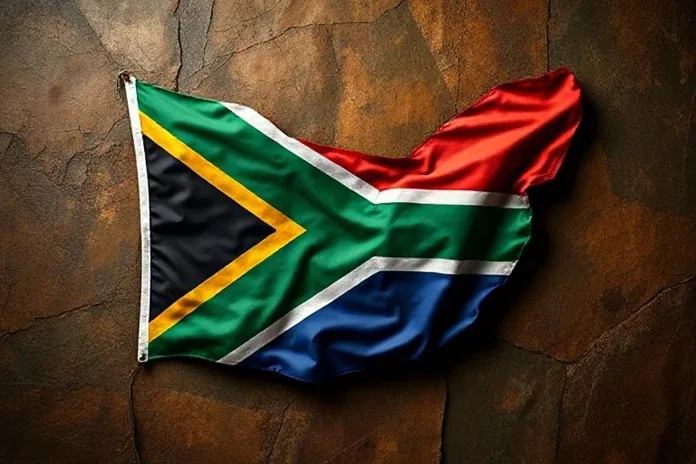
JOHANNESBURG, Gauteng — The landscape of South African politics is currently navigating a complex period of transition, marked by intense debates over ANC renewal, ongoing disputes with NEHAWU regarding public sector wages, and shifting internal dynamics within the Government of National Unity (GNU). According to political analysts, these intersecting challenges highlight a “politics of precarity” where factional loyalties, ethical questions, and the realities of governing are testing the stability of the country’s ruling alliances and opposition parties alike.
NEHAWU and the 2018 Wage Agreement Dispute
Tensions within the tripartite alliance have been exacerbated by the National Education, Health and Allied Workers’ Union (NEHAWU), which recently accused the African National Congress (ANC) of betraying public sector workers. The union’s grievance centers on the failure to fully implement the 2018 Public Service Co-ordinating Bargaining Council wage agreement, which originally promised crucial salary adjustments and improved conditions of service.
While the South African Communist Party (SACP) has taken a formal position to back the ANC in the upcoming local government elections, political experts warn that this alliance is far from monolithic. Kwandiwe Kondlo, a professor at the University of the Witwatersrand’s School of Governance, notes that trade unions like NEHAWU are deeply factionalized. Consequently, even if union leadership endorses the SACP’s stance to support the ANC, grassroots members may not strictly honor the directive, reflecting the slippery and precarious nature of current political alliances.
ANC Renewal, Cabinet Reshuffles, and Ethical Scrutiny
President Cyril Ramaphosa has frequently characterized the ANC’s internal renewal process as taking “one step back and two steps forward.” A primary example of this dynamic was the recent return of Dina Pule to the cabinet.
Professor Kondlo analyzes this move as a highly calculated strategy by the President to secure the support of women within the party. Pule is viewed as a highly experienced member who endured significant hardships and organizational punishment during the Jacob Zuma administration. Having gone through a process of political “cleansing,” her reinstatement is seen as an attempt to rehabilitate marginalized members. Kondlo suggests this decision was likely vetted by the ANC’s integrity committee.
However, this recycling of political figures underscores a difficult balance of power and suggests the ANC is in deep structural trouble. The party’s leadership, including the presidency, is surrounded by mounting challenges. President Ramaphosa himself faces intense scrutiny regarding his ethical standing, driven by the ongoing Phala Phala saga and proceedings surrounding the impeachment committee. Combined with public complaints regarding the performance of various cabinet ministers, the organization is facing ethical and operational questions rarely seen in previous years.
The DA, the GNU, and “Organic Bell Pottinger” Allegations
Beyond the ruling alliance, the Democratic Alliance (DA) is also experiencing a profound identity shift. Having tasted power as a key partner in the Government of National Unity, the DA is no longer the strictly aloof, clean opposition party it once was.
This transition has given rise to new internal dynamics, including allegations of an “organic Bell Pottinger” style of interference within government operations. These claims stem from revelations brought forward by John Steenhuisen regarding a company called Resolve.
According to Kondlo, the DA’s entry into the GNU has exposed the party to the realities of power, bringing self-interest and internal schisms to the forefront. As the DA navigates its new role as a governing party rather than a strict opposition, these emerging divisions suggest that the party will have to carefully manage its internal fractures to maintain its political footing.