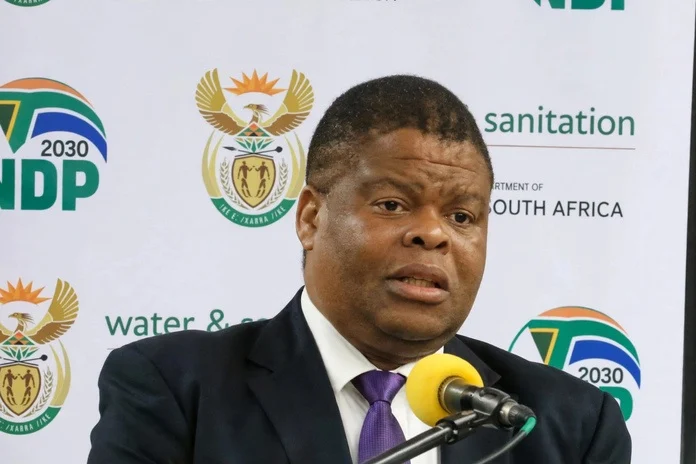
PRETORIA, Gauteng — The escalating South Africa water crisis has prompted urgent government interventions as Deputy Minister of Water and Sanitation, David Mahlobo, addresses widespread concerns over water reliability and severe tap water contamination. Speaking on the ongoing challenges plaguing multiple municipalities, Mahlobo outlined the national government’s strategic response to ensure citizens have access to safe, clean drinking water amidst growing public distrust.
Widespread Contamination and Infrastructure Deficits
The national dialogue around water reliability has been heavily influenced by the return of the Drop Reports, specifically the Blue Drop report, which assesses the microbial and chemical safety of potable water. According to Mahlobo, a significant number of municipalities are struggling with water treatment works.
The situation is compounded by severe wastewater management failures. Mahlobo revealed that more than 67% of the country’s wastewater systems are currently polluting rivers. The sources of this pollution are diverse, including underperforming municipalities, the private sector, mining operations, and agricultural activities. Additionally, recent crises have highlighted issues with aluminum in the water supply, further overstretched an already fragile infrastructure. High levels of water loss due to leaks and insufficient municipal capacity to retain water remain critical hurdles.
Hotspots: Bronkhorstspruit and Hammanskraal
Specific communities have borne the brunt of the crisis. In Bronkhorstspruit, a R50 million water treatment works handed over in July 2018 has proven insufficient, as the region’s water demand sits at 80 megaliters per day, while the plant only supplies 50 megaliters. To manage the shortfall, short-term water rationing has been implemented, with authorities sourcing water from verified, clean municipal lines. Consequently, criminal charges have been opened against managers at the Bronkhorstspruit water treatment plant to enforce accountability.
Meanwhile, residents in Hammanskraal have reported a complete absence of water tankers, sparking rumors that resources were redirected to Bronkhorstspruit. Mahlobo condemned the situation, noting that while the municipality is attempting to restore its systems, the immediate relief for citizens remains inadequate.
Strict Regulations for Water Tankers and Informal Sellers
To address the logistical failures in water distribution, Mahlobo issued strict directives regarding municipal water tankers, citing a history of abuse and mismanagement in the tanker services. He demanded that municipal councilors and executives establish proper deployment plans.
“We must ask these questions: Where are these trucks catching water? What are the routes? At what time are they going to come through?” Mahlobo stated. He mandated the creation of small water committees in affected areas to monitor the tankers, requiring that every vehicle display its number plate and the driver’s contact number.
Furthermore, the Deputy Minister issued a stark warning to communities purchasing water from informal sellers. He cautioned that this water is often unverified and potentially full of contamination, failing to meet the SANS 241 drinking water standards for microbial and chemical content. To supplement municipal efforts, the department is collaborating with the private sector, including Coca-Cola and local farmers, who are providing water through verified water cards.
National Intervention and Municipal Accountability
The President has taken direct leadership of the water crisis, directing Minister of Water and Sanitation Pemmy Majodina and Mahlobo to work closely with provincial governments. As part of the intervention, the Rand Water board has been made available, and the Deputy President is scheduled to visit the affected regions. Rand Water has developed a concrete plan to have a significant percentage of the compromised plant operational by the end of the week.
Mahlobo also highlighted a shift in funding strategy for underperforming municipalities. If municipalities fail to perform, their infrastructure grants will be converted into indirect grants. These funds will then be managed by implementing agents, such as water boards, private sector concessions, or district municipalities. Additionally, the Minister of Cooperative Governance has announced the establishment of metro trading services for water and electricity, ensuring these critical utilities are managed as proper, accountable businesses.
A Call for Citizen Responsibility
While government and private sector interventions are ramping up, Mahlobo emphasized that resolving the South Africa water crisis requires a collaborative approach that includes citizen responsibility. He pointed to the negative impact of illegal connections and the high levels of non-essential water consumption during hot weather.
Residents are being urged to halt non-essential water uses, such as washing cars, filling swimming pools, and irrigating gardens. The department is also working with the Water Secure Partnership for Housing, alongside private sector experts and professors, to implement sustainable, long-term solutions.
Through transparent communication, daily publication of water quality results, and strict enforcement of municipal accountability, the government aims to rebuild public trust and ensure that the constitutional right to safe drinking water is realized for all South Africans.