PRETORIA, Gauteng — The South Africa voters roll is rapidly approaching the 30 million mark following a highly successful final IEC voter registration drive ahead of the upcoming November 4 local government elections. The Independent Electoral Commission (IEC) confirmed that the electoral body has already surpassed its initial 29 million target, propelled by a massive surge in youth registrations and innovative digital outreach strategies.
According to Chief Electoral Officer Sy Mamabolo, the second and final voter registration weekend on August 1 and 2 generated over 1.7 million transactions. Citizens either visited one of the 23,699 voting stations or utilized the online portal to register or update their details. Notably, 291,000 of these transactions were from first-time voters, accounting for 16% of the weekend’s total activity.
Collectively, the June and August registration weekends added 754,000 new voters to the system. When factoring in continuous registrations, an impressive 2.1 million new voters have been added to the South Africa voters roll since the 2024 general elections.
Provincial Turnout and the Digital Shift
Geographically, KwaZulu-Natal led the country in voter turnout with 427,000 registration transactions. Gauteng followed in second place with 314,000 transactions, while the Eastern Cape secured third with 313,000.
While the IEC has heavily promoted digital solutions, distinct demographic and geographic trends have emerged. Data indicates that major metropolitan areas, such as Johannesburg and Cape Town, show a strong preference for electronic and online registration. Conversely, voters in deeply rural provinces still largely prefer visiting physical voting stations to verify their details or register in person.
To bridge the accessibility gap and appeal to a younger demographic, Mamabolo announced the introduction of a brand-new WhatsApp voter registration feature. The platform utilizes secure identity verification measures, including One-Time Pin (OTP) authentication, ID document uploads, and address verification.
“With in-person registration now closed, we appeal to all eligible voters to act early,” Mamabolo cautioned, warning that last-minute rushes could place undue pressure on the online registration channels before the official cutoff date on August 7, pending formal gazetting by the presiding Minister.
Youth Mobilization: A Shared Responsibility
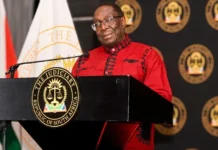
Professor Bheki Mngomezulu, Director of the Center for the Advancement of Non-Racialism and Democracy at Nelson Mandela University, commended the IEC for pulling out all the stops to attract first-time voters. Young people, specifically those between the ages of 16 and 29, make up a massive portion of the new registrations, accounting for between 26% to nearly half of the recent demographic surge.
However, Prof. Mngomezulu emphasized that mobilizing the youth cannot fall solely on the shoulders of the electoral commission.
“The mistake that we make is to expect the IEC to do everything, which is not necessarily correct because the IEC can only go so far, particularly given time, human capital, and financial constraints,” Prof. Mngomezulu noted. He stressed that political parties, independent candidates, traditional leadership, churches, and academic institutions must collectively pull in the same direction.
“Political parties are the ones that you vote for… it is their job to appeal to the voters and encourage youngsters to vote. They shouldn’t just tell them lies, but encourage them to register, and then they can campaign separately,” he added.
Security Breakthroughs and Political Killings
Beyond voter registration, the upcoming election season has been marred by political violence, though recent law enforcement breakthroughs offer a glimmer of hope. The Political Killings Task Team (PKTT) recently made significant progress in solving the murders of local councilor candidates belonging to both the EFF and the ANC.
Prof. Mngomezulu weighed in on the efficacy of the PKTT, pushing back against critics who have sought to dismantle the unit—including the Police Minister, who is currently on special leave.
“It is an indictment on anyone who was against the PKTT because the work that the PKTT did is, in fact, verifiable,” Prof. Mngomezulu stated. He argued that without the task team’s specialized focus, numerous discoveries and arrests regarding political assassinations would not have been made.
“You can’t keep on killing people on the eve of an election and then just pretend as if everything is normal. These are breadwinners, fellow human beings, and fellow South Africans. Killing them is just madness because it doesn’t solve any problem; it only creates more hatred,” he concluded, emphasizing the critical need to protect politicians and citizens alike as the country heads toward the 2026 local polls and beyond.