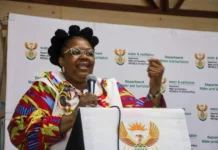




A high-level meeting between Eskom, Electricity and Energy Minister Kgosientsho Ramokgopa, and City of Johannesburg officials has placed energy security in South Africa’s largest metropolitan area under intensified scrutiny, as discussions centered on the city’s outstanding R5.2 billion debt to the national power utility.
While municipal leaders have publicly assured residents that no power shutdowns are imminent, the talks have spotlighted deeper systemic concerns: mounting municipal debt, weakening revenue collection systems, aging infrastructure, and the long-term viability of electricity distribution in the nation’s economic hub.
Central to the proposed path forward is a ring-fenced utility account designed to improve financial transparency, strengthen revenue management, and ensure that funds are specifically allocated toward infrastructure maintenance and essential service delivery.
Energy expert Vally Padayachee, former Executive Manager at Eskom and former senior executive at City Power, provided analysis on the complexities behind the debt crisis. Padayachee emphasized that there is no single cause for the situation, describing it as a “quagmire” stemming from multiple interrelated factors on both the Eskom and City of Johannesburg sides.
According to Padayachee, the fundamental root cause lies in the “astronomically high prices of electricity” charged by Eskom to municipalities, which then resell to end-users at similarly elevated rates. This pricing pressure, compounded by revenue shortfalls, has created an unsustainable financial model.
A significant contributor to the revenue gap, Padayachee noted, is the prevalence of illegal electricity connections across Johannesburg. These unauthorized connections generate no income for the municipality, directly impairing its ability to service debt or fund operations. The expert drew parallels to Eskom’s own efforts to reduce losses through targeted interventions against illegal connections, suggesting that similar municipal action could yield meaningful progress.
Padayachee also highlighted the lingering financial impact of years of widespread load shedding, which has constrained cash flow for metros nationwide. Compounding the challenge, the City Power board recently requested an additional R4 billion in cost-of-sales budget support from its shareholder due to severe liquidity pressures.
Beyond immediate financial fixes, Padayachee warned that structural and operational deficiencies across the electricity distribution landscape are being addressed only symptomatically. Without fundamental reforms, the expert cautioned, the crisis is likely to persist.
When asked how much progress could be made by tackling illegal connections alone, Padayachee acknowledged the difficulty of quantifying the exact impact but stressed that Johannesburg’s status as a major economic magnet draws residents from rural areas who often settle in informal arrangements, such as backyard dwellings, where illegal hookups become commonplace. “If they address the illegal connections reasonably well,” Padayachee stated, “it would go a long way in addressing the debt crisis.”
As stakeholders weigh short-term assurances against long-term systemic risks, the stability of electricity supply in South Africa’s primary economic center remains contingent on coordinated action to resolve both financial governance and infrastructure challenges.