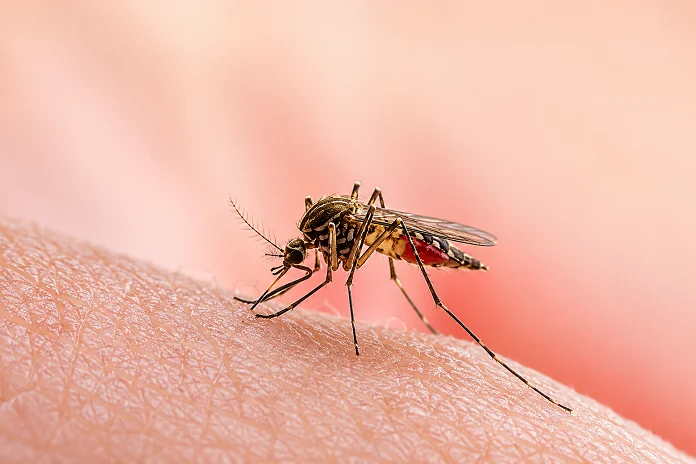
GAUTENG — Health authorities are issuing urgent warnings to residents regarding a significant rise in Gauteng malaria cases and related fatalities, primarily linked to cross-border travel to endemic regions. The Gauteng Department of Health (GDoH) reported a sharp increase in infections and deaths between January and September 2026, prompting intensified public awareness and prevention campaigns across the province.
Although Gauteng is classified as a non-endemic region, the GDoH emphasized that residents remain at high risk when traveling to areas where the disease is prevalent. According to a statement released by the department on Thursday, the province recorded 768 malaria cases and 17 deaths between January and September 2026. This represents a 38.6% increase in cases compared to the same period in 2025, which saw 554 cases and six deaths. For context, the full year of 2025 recorded 666 cases and seven deaths between January and December.
The spokesperson for the GDoH highlighted that cross-border travel is a major contributing factor to the province’s malaria burden. Of the 17 deaths recorded in the first nine months of 2026, 15 individuals had a travel history to countries within the Southern African Development Community (SADC) region. Mozambique alone accounted for approximately 59% of the reported deaths.
Prevention and Medical Guidance
To mitigate the spread and impact of the disease, residents planning to travel to malaria-endemic areas are strongly urged to visit travel clinics located across the province’s five health districts to take appropriate prophylactic precautions before and during their journeys.
The GDoH noted that malaria is a serious but preventable and treatable illness. Common symptoms include fever, chills, headache, muscle aches, nausea, and vomiting. The department advised that anyone developing these symptoms while traveling or after returning from an endemic area must seek immediate medical attention and explicitly inform healthcare workers about their recent travel history.
Surveillance and Healthcare Training
To strengthen prevention and response measures, environmental health practitioners across all five districts are actively investigating reported cases to establish the likely source of infection and classify them appropriately as either imported or odyssean malaria cases. The province is also conducting comprehensive audits of all malaria-related deaths to identify contributing factors.
Because Gauteng is a non-endemic province, the disease may not always be immediately suspected by medical professionals. To address this, the GDoH is providing ongoing training to healthcare workers to strengthen their ability to identify suspected cases. Additionally, the department monitors all reported cases on a daily basis to identify emerging trends and facilitate timely interventions.
Community Awareness and Strategic Partnerships
Community awareness activities have been heavily intensified at identified hotspots within high-risk populations, particularly during peak travel periods such as public holidays and the upcoming festive season. These outreach efforts are being conducted at taxi ranks, bus stations, and other strategic locations to educate travelers on malaria prevention, symptoms, and the critical importance of early treatment.
As part of these localized efforts, the province hosted a comprehensive malaria awareness event on Wednesday at the Holomisa Sports Grounds in Bekkersdal, located in the West Rand District. The event was designed to educate local communities on malaria transmission, signs and symptoms, and effective control measures.
The GDoH confirmed that it continues to collaborate closely with local municipalities, the National Institute for Communicable Diseases (NICD), the National Department of Health, and other relevant stakeholders to strengthen overall malaria prevention, surveillance, and control efforts throughout the province.