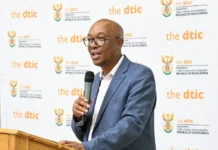
JOHANNESBURG, Gauteng — Eskom chairperson Mteto Nyati has confirmed that the power utility’s debt currently stands at nearly R300 billion, outlining a cautious approach to the state-owned entity’s unbundling process to protect its financial stability and lender relationships.
Addressing the complex restructuring of South Africa’s primary power supplier, Nyati noted that while the government remains committed to establishing an independent electricity transmission system operator by 2029, moving too quickly could trigger severe financial consequences. The utility’s board is advocating for a phased approach to ensure the structural reforms stay on track without plunging the country into a new fiscal crisis.
Navigating the Unbundling Process
The foundation of the current restructuring dates back to 2019, when the cabinet approved the unbundling of the utility into three distinct entities: generation, transmission, and distribution. The first major milestone was achieved in 2024 with the unbundling of the transmission company and the appointment of a new board for that division.
However, the landscape shifted on January 1 when the Electricity Regulation Amendment Act came into effect. The legislation mandates the creation of an independent transmission system operator—an “orchestrator” residing outside of the utility to ensure fair market practices. Crucially, the Act does not specify whether this new independent entity must hold physical assets.
According to Nyati, transferring the utility’s transmission assets, which are valued at approximately R110 billion, before resolving the utility’s balance sheet issues could trigger cross-default clauses with existing lenders.
“We are asking that before we do anything, let’s make sure that our lenders are with us in terms of the process, otherwise we are going to be breaking the commitments that we have made to them,” Nyati explained. He added that if assets are transferred, a clear funding mechanism must be established to determine who will pay the utility for the R110 billion valuation.
Aligning with Government and Tackling Arrears
The board’s strategy to prioritize debt reduction over immediate asset transfer has received high-level backing. Nyati confirmed a “perfect alignment” among key role players, including the Presidency, the Minister of Finance, and the Minister of Electricity and Energy. This consensus forms the basis of a “phase two” reform strategy focused heavily on financial stabilization.
A major pillar of this stabilization is addressing the massive arrears owed to the utility. Municipalities currently owe the power provider nearly R118 billion, a figure Nyati identified as the second biggest risk facing the organization.
The utility has already made significant strides in reducing its overall financial burden. When the current board took over three and a half years ago, the debt sat at roughly R480 billion. Today, it is close to R300 billion. Furthermore, the gross debt-to-EBITDA ratio has improved dramatically from 15 to 4. The board’s ultimate target is to reach a ratio of 3, a metric Nyati expects to elaborate on when the utility announces its financial results toward the end of August.
Winter Readiness and Operational Turnaround
Beyond the balance sheet, the utility has seen a massive operational turnaround. Reassuring the public about the country’s energy security during the cold months, Nyati confidently stated, “Bring the winter on and test us.”
The utility is currently operating with a significant amount of excess energy. This operational stability is reflected in the numbers: the power provider has recorded its strongest year-to-date energy availability factor in six years, rising to 67%, while unplanned outages have dropped by 28%.
Future Focus: Cutting Costs and Green Energy
With energy security largely secured, the board and management are now pivoting toward consumer relief. Nyati announced an aggressive target to extract R112 billion in costs from the system over the next three to four years.
Because pricing is intrinsically linked to operational costs, lowering this cost base will allow the utility to apply to the national energy regulator for more favorable, lower tariffs. The ultimate goal is to end the era of unsustainable double-digit tariff hikes, ensuring that future price increases are aligned only with the Consumer Price Index (CPI).
Additionally, the utility is looking to secure its future relevance in a changing energy landscape through the establishment of “Eskom Green.” This new division will allow the utility to actively participate in the renewable energy sector, providing customers with the green energy solutions they increasingly demand.
With his tenure as chairperson set to conclude in October, Nyati reflected on the turnaround, crediting the dedicated personnel within the organization for achieving what many thought was impossible. As the utility looks toward the next phase of its reform, the focus remains on taking deliberate, financially sound steps to ensure the power provider never regresses to its past crises.