PRETORIA, Gauteng — As South Africans prepare to head to the polls for upcoming municipal elections, the City of Tshwane service delivery record is facing intense public scrutiny. Residents and civic organisations are expressing deep frustration over crumbling infrastructure, unreliable basic services, rising crime, and visible urban decay in the nation’s administrative capital.
For years, communities across the metro have voiced persistent complaints regarding poor water quality and a lack of essential services. Civic advocates point out that aging municipal infrastructure is entirely failing to meet the demands driven by the rapid population growth of local townships and smaller towns within the City of Tshwane. Instead of setting a gold standard for governance as the seat of the national government, the metro is mirroring the severe service delivery backlogs seen in struggling municipalities across the country.
The “Umbilical Cord” of the Nation
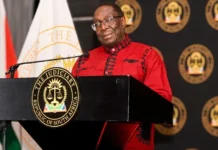
Tshepo Mahlangu, president of the Lotus Gardens, Atteridgeville, and Saulsville Civic Association (LASCA), described the capital as the “umbilical cord” of South Africa due to its central role in national civil registration and administration.
“Everyone in South Africa who is born is registered here. Everyone who dies is registered here in the capital city,” Mahlangu explained. “We are the barometer of every town or every metro… We register the dead and the living. We are the administrative capital, so everybody belongs to us technically.”
He warned that the implications of this administrative failure extend far beyond the city limits. “If we fail here, everybody is going to fail. We should be leading with example, with excellence,” he noted, stressing that a collapse in the capital sets a dangerous precedent for other provinces.
Potholes, Slow Response Times, and Diplomatic Embarrassment
The physical decay of the city is highly visible to both residents and the international community. In various townships, road networks are riddled with potholes, and residents report that municipal response times to fix these hazards are unacceptably slow.
This visible deterioration has diplomatic repercussions as well. With foreign embassies headquartered in the capital, Mahlangu warned that the city is becoming a “laughing stock” to the rest of the country and the international community, mocking the very seat of South Africa’s government.
“Pre-Celebrating Mediocrity” and Political Infighting
When assessing the current administration’s performance in areas like Attridgeville, the LASCA president was scathing, accusing leaders of “pre-celebrating mediocrity.” He dismissed the administration’s frequent claims that they are merely battling “inherited” problems from previous governments.
“We thought they were going to do something different from what they claimed to have inherited. Why are they not delivering services in townships? Why is infrastructure still ailing?” Mahlangu asked. “The problems we were complaining about four years ago are getting worse. Things are deteriorating.”
He attributed this decline to a relentless “looting spree” and internal political warfare, describing the capital as having been turned into a “jumping castle” and a “retirement village of elite trades and hustlers” lacking vision.
“They are focusing on power for themselves. The wrestling for power is back… look into other media outlets, there are allegations against each other. This faction is blaming that one,” he said, noting that some political players are now openly admitting they have made mistakes as election season heats up.
The Ratepayer Burden and a 100-Day Mandate
The financial burden of this mismanagement falls squarely on the residents. Mahlangu reminded citizens that they are the ultimate employers of the government through their rates and taxes.
“With our taxes, we pay the president of the country. We pay the executive mayor… We are actually the government. Without my vote, there will be no city manager, there will be no mayor,” he said, urging voters to be highly critical of those they put into power to avoid further mismanagement of public funds.
Looking toward the next municipal administration, the LASCA president outlined a strict mandate for the crucial first 100 days in office: a hard pivot away from consumption spending toward tangible infrastructure investment.
“They should prioritise infrastructure spending, not consumption spending. They should understand that the people shall govern because their salaries are paid by the people. They should respect us,” he stated.
Is the Capital Still Special?
As the municipal elections draw nearer, the ultimate question remains whether living in South Africa’s capital city offers any unique benefits or if it has devolved into just another struggling municipality. Community outreach initiatives are currently underway to speak directly with ordinary citizens across Pretoria to gauge their lived experiences and sentiments ahead of the polls.