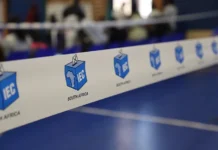
THEMBISA, EKURHULENI — Coalition governments have become a defining feature of South Africa’s political landscape, heavily influencing municipal governance and service delivery. Following the special voting period, as the general electorate heads to the polls for the 2026 Local Government Elections, the focus has shifted to the performance and stability of these political partnerships. However, on-the-ground challenges, including voter registration system failures, are raising concerns about political fragmentation and its impact on future municipal administrations.
Commentators note a strong likelihood that an increasing number of municipalities will be governed through coalitions following the 2026 Local Government Elections. This trend places a spotlight on the stability of such partnerships and the critical lessons they offer for future municipal management. The ability of these coalitions to effectively deliver services remains a primary concern for the electorate as they evaluate past performance.
At the polling station situated at Kanana Primary School in Thembisa Extension 5, the democratic process has been hindered by logistical issues. Numerous prospective voters have been forced to leave without casting their ballots after being informed that their names could not be found on the voter registration system. This disenfranchisement not only discourages civic participation but also threatens to exacerbate political fragmentation, which directly affects how services are delivered in local municipalities. Observers note that the Independent Electoral Commission (IEC) will need to address and clarify the root causes of these system exclusions.
Despite these hurdles, many residents remain determined to exercise their democratic rights. One local voter, who successfully cast her ballot at the Extension 5 station, shared her personal motivations and the pressing community needs she hopes the incoming government will address. She explained that she participates in every election primarily to validate her identity document.
The local voter highlighted a severe lack of basic sanitation in her area, noting that she does not have a toilet of her own. She issued a strong appeal to the incoming government to prioritize basic human needs, specifically the installation of proper ablution facilities. She expressed a desire to bathe in a decent bathtub, revealing that she has faced harsh remarks and stigma from community members who accuse her of having an “unsavory scent” due to the lack of proper washing facilities. Despite these daily indignities, she remains hopeful that the newly elected leadership will assist her in securing a better quality of life.
As the 2026 Local Government Elections proceed, the final outcomes will depend on the vote count. Meanwhile, the dual challenges of ensuring stable coalition governance and resolving voter registration anomalies remain critical to the future of municipal service delivery in the region.