



Rural communities and agricultural operations are the backbone of many economies including South Africa which provides food, raw materials, and livelihoods for thousands of people. However, these areas often face unique security challenges that differ significantly from those in urban environments. Farm security and rural community safety are critical issues that require comprehensive strategies to protect property, livestock, crops, and the well-being of residents. This article explores the multifaceted nature of security in rural areas, the challenges faced, and the measures that can be implemented to enhance safety and resilience.
The Importance of Farm and Rural Security
Farms and rural communities are vital to national and global food security, yet they are often vulnerable to a range of threats. These include theft, vandalism, wildlife predation, natural disasters, arson, farm attacks and even cyberattacks. The isolation of rural areas, combined with limited access to law enforcement and emergency services, exacerbates these challenges. Additionally, the high value of farm equipment, livestock, and crops makes them attractive targets for criminals. Ensuring the security of these assets is not only essential for the economic stability of farmers but also for maintaining the supply chain that feeds nations.
Challenges in Rural Security
- Geographic Isolation: Rural areas are often sparsely populated, with vast distances between properties. This isolation can delay the response time of law enforcement and emergency services, leaving farms and communities vulnerable for extended periods.
- Limited Resources: Many rural communities have limited budgets for security infrastructure and personnel. This can result in a lack of surveillance systems, inadequate lighting, and insufficient patrols, making it easier for criminals to operate undetected.
- Diverse Threats: Rural areas face a wide range of security threats, from traditional crimes like theft and trespassing to more complex issues such as biosecurity risks, wildlife conflicts, and cyber threats targeting agricultural technology.
- Community Dynamics: Rural communities often have strong social bonds, but this can sometimes lead to a reluctance to report crimes or seek external help. Fear of retaliation or a desire to handle issues internally can hinder effective security measures.
- Natural Disasters: Farms and rural areas are often more exposed to natural disasters such as floods, wildfires, and storms. These events can cause significant damage to property and infrastructure, disrupt operations, and pose serious risks to human and animal life.
Strategies for Enhancing Farm and Rural Security
- Community Engagement and Collaboration: Building strong community networks is one of the most effective ways to enhance rural security. Neighborhood watch programs, community patrols, and regular meetings can foster a sense of collective responsibility and vigilance. Sharing information about suspicious activities and collaborating on security initiatives can deter criminals and improve response times.
- Technology and Surveillance: Advances in technology offer powerful tools for enhancing farm security. Surveillance cameras, motion sensors, and drones can provide real-time monitoring of large properties. GPS tracking devices can be installed on equipment and livestock to deter theft and aid in recovery. Additionally, farm management software can help monitor and secure data related to operations, reducing the risk of cyberattacks.
- Physical Security Measures: Implementing physical barriers such as fences, gates, and locks can deter unauthorized access to farms and rural properties. Lighting is also crucial; well-lit areas are less attractive to criminals. Secure storage facilities for equipment, chemicals, and livestock can further reduce the risk of theft and damage.
- Emergency Preparedness: Rural communities and farms should develop comprehensive emergency plans to address natural disasters and other crises. This includes creating evacuation routes, establishing communication protocols, and ensuring that all residents and workers are trained in emergency response procedures. Regular drills and updates to the plan can help ensure readiness.
- Law Enforcement Support: Strengthening the relationship between rural communities and law enforcement agencies is essential. This can be achieved through regular communication, joint training exercises, and the establishment of rural crime units. Law enforcement agencies can also provide guidance on best practices for security and assist in investigating and preventing crimes.
- Education and Training: Educating farmers and rural residents about security risks and prevention strategies is crucial. Workshops, seminars, and online resources can provide valuable information on topics such as crime prevention, emergency response, and the use of security technology. Training programs can also help farmers and workers recognize and respond to biosecurity threats, which are increasingly important in an interconnected world.
- Insurance and Financial Planning: While prevention is key, having adequate insurance coverage is essential for mitigating the financial impact of security breaches and natural disasters. Farmers and rural businesses should work with insurance providers to ensure that their policies cover a wide range of risks, including theft, vandalism, and crop damage. Financial planning can also help communities invest in long-term security infrastructure.
- Livestock branding: Livestock branding is a permanent marking technique used to identify ownership of animals, primarily cattle, horses, and other livestock. It involves burning or freezing a unique symbol or design onto the animal’s skin, typically on the hide. This mark serves as a durable form of identification, helping to prevent theft and resolve disputes over ownership. Brands are registered to ensure uniqueness and are often required by law in many regions. While traditional methods use hot irons, modern alternatives include freeze branding, which is less painful and damages the hair follicles instead of the skin.
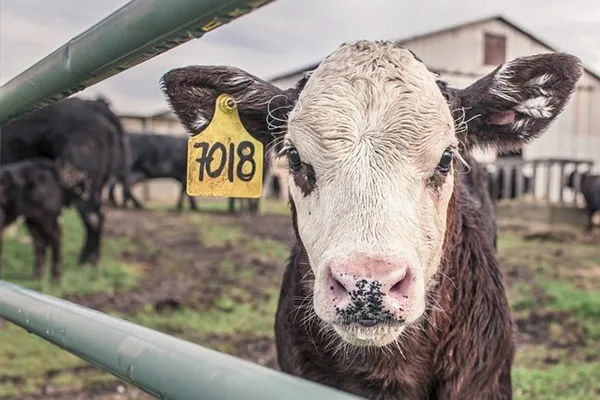
- Livestock tags: Ear tags are the most common type of livestock tag. They are used for individual animal identification, tracking health records, breeding information, and ownership details in case they are lost or a farm fell victim to livestock theft.
The Role of Government and Policy
Government agencies play a critical role in supporting farm and rural security. Policies that provide funding for security infrastructure, training programs, and emergency response resources can significantly enhance the resilience of rural communities. Additionally, governments can facilitate partnerships between rural areas, law enforcement, and private sector organizations to develop innovative security solutions. Legislation that addresses rural crime, such as stricter penalties for agricultural theft, can also serve as a deterrent.
Sadly the South African government has largely failed to address the rural security needs in South Africa and more must be done to secure a better future for farmers and rural communities.
Conclusion
Farm security and the safety of rural communities are integral to the stability and prosperity of societies. The unique challenges faced by these areas require tailored solutions that leverage technology, community engagement, and strategic planning. By investing in security measures, fostering collaboration, and promoting awareness, rural communities can protect their assets, livelihoods, and way of life. As the world continues to evolve, the importance of safeguarding our rural areas cannot be overstated—they are not only the providers of our food but also the custodians of our natural heritage and cultural identity.
Article by Security RSA a free directory site for companies who provide any form of security including security products, technology, security services and more.