QUNU, Eastern Cape — Following the 2026 local government elections, Qunu service delivery has become the primary focus for residents in the historic village, especially after the ruling party suffered a symbolic setback in Ward 19. For the community, the political shifts are secondary to the urgent need for improved living conditions and reliable infrastructure.
The elections brought a significant change to Qunu, the rural area where Nelson Mandela spent much of his childhood and where he was ultimately laid to rest. In a historic first for the area, the African National Congress (ANC) lost Ward 19 after failing to field a candidate on the ballot. This absence allowed the African Transformation Movement (ATM) to secure the seat with 531 votes, defeating the United Democratic Movement (UDM) by a margin of 173 votes.
Despite this localized loss, the ANC maintained a strong overall presence, winning 22 of the 37 wards in the King Sabata Dalindyebo (KSD) Municipality. The party has confirmed that its negotiation team will now take the lead in upcoming coalition talks.
Addressing the reasons behind the missing candidate in Ward 19, ANC leader Mandela explained that the prospective candidate was withdrawn due to a domestic-related matter, though no formal criminal case was ever opened. He detailed that the issue stemmed from a dispute over a parking bay in Cape Town around 2008 involving a police officer. While the officer took the candidate’s fingerprints, no charges were filed, and the matter was considered resolved. However, the fingerprints remained in the party’s pre-clearance system. Due to administrative delays at the filing office in processing the necessary submissions, the candidate missed the deadline to be cleared for the ballot.
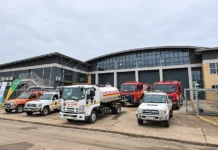
While the political mechanics of the election are being sorted out, the daily realities for the community remain grim. Residents are grappling with severe service delivery failures, including unreliable water supply, electricity outages, deteriorating roads, and poor sanitation. Frustration has frequently boiled over, with community members resorting to protesting and blocking the N2 highway to demand immediate intervention.
ANC leader Mandela acknowledged the validity of the community’s anger, admitting that the party had let the residents down, particularly regarding basic service delivery.
The urgency of the situation was highlighted by a recent visit from Deputy President Paul Mashatile, who met with the community to address their grievances. The primary issues raised during his visit were the poor road conditions and the lack of access to clean, drinkable water. While the water crisis was temporarily resolved within a week of his visit, the progress was short-lived. The installed water pumps were subsequently destroyed and are currently useless to the community.
As coalition talks loom in the KSD Municipality, the new ward leadership faces immense pressure. For the residents of Qunu, the political negotiations are secondary to their immediate need for tangible action and the restoration of basic services.