QUMBU, Eastern Cape — The Qumbu voting station blocked by frustrated residents has become a focal point of service delivery protests during the Independent Electoral Commission (IEC)’s final voter registration weekend for the upcoming local government elections in November.
With just hours left before voting stations closed for the weekend, the IEC reported that approximately 238,000 South Africans had verified or registered to vote. Of those, 13.4% were first-time voters. Despite the national push, a common trend of low turnout has been observed across various provinces. KwaZulu-Natal leads the nation with 55,000 registrations, followed by the Eastern Cape with 46,000, and Gauteng in third place with 41,000 voters.
However, the registration process in the Eastern Cape faced significant disruptions. In Qumbu, residents successfully blocked access to a local voting station, halting the registration process to demand immediate intervention regarding severe service delivery failures and administrative demarcation errors.
Demarcation Confusion and Decade-Long Grievances
A local resident and spokesperson for the protesting community, explained that the blockade was driven by compounding frustrations that have been ignored for years.
“We’ve got a lot of issues in our community. Firstly, we’ve got an issue of service delivery. I think it’s been 10 years without getting any service delivery. We don’t have access to water. Our bridges are so bad, even the roads are bad,” she stated.
Compounding the lack of basic services was a sudden administrative shock. Residents discovered they had been moved from Ward 15 to Ward 23 without prior notification. “We only got to find out about it recently when we were coming to the voting station,” she explained, noting that the community remains confused about their actual ward alignment and does not know who their current ward councillor is.
Allegations of Past Electoral Corruption
The residents also raised serious concerns regarding the integrity of past local government elections. She alleged that corruption occurred during the previous elections, specifically involving an independent candidate whom the community had supported to address their grievances.
“We are still asking if, from SAPS, a credible investigator can come forward. We will give that investigator all the evidence that we have concerning the last local government elections,” she said, demanding a transparent probe into the electoral irregularities.
Municipality and Speaker Criticized for Inaction
Despite numerous meetings with the municipality to address these compounding issues, residents feel their demands have been systematically ignored. Kanya highlighted discussions held with the municipal Speaker, noting that the community made service delivery a prerequisite for further political engagement.
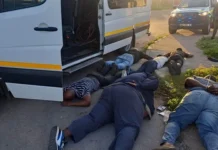
Instead of returning with solutions after the voting station was closed, the resident alleged that the speaker’s only response was to send police to the area.
Youth Unemployment and Unfulfilled Promises
The protests also highlighted severe youth unemployment. Residents were previously asked to submit CVs for local public works (EPW) projects to address joblessness in the community. However, locals claim that people from outside the community were hired instead. “They asked us to send CVs. We sent CVs, but there was no response. Even today, those people are still unemployed,” she noted.
The frustration is shared across generations. An elderly resident of the community echoed the sentiments of the youth, pointing out that promises for housing and water made by the municipality and the previous councillor have remained unfulfilled for years, dating back to 2016 and 2021.
As the final voter registration weekend concludes, the standoff in Qumbu underscores a deepening disconnect between residents and local government, with communities demanding tangible service delivery before participating in the democratic process.