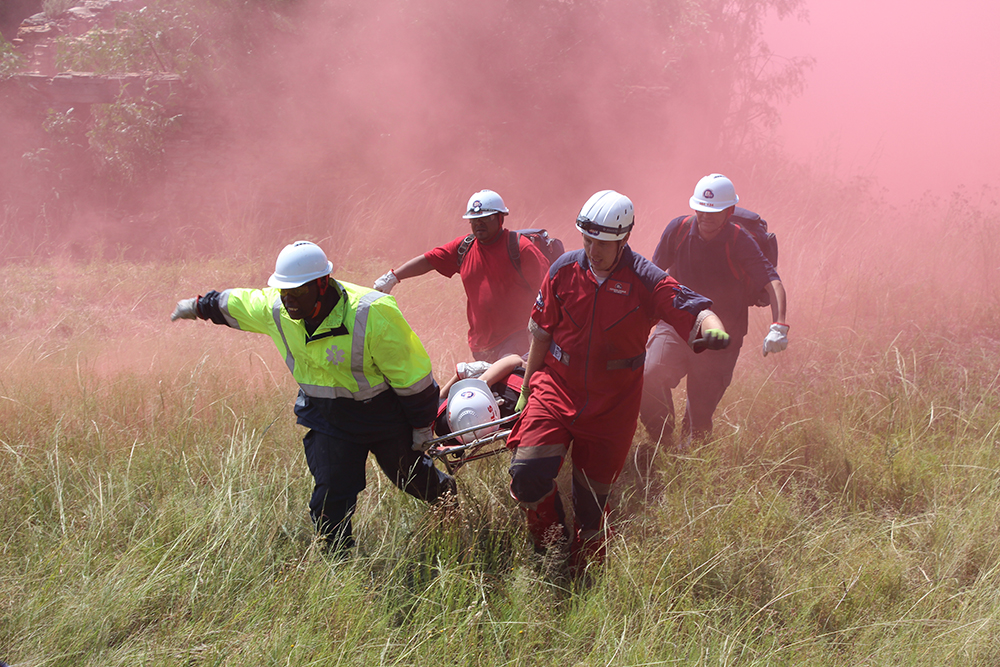
When a motor vehicle accident happens, every second can mean the difference between life and death. While calling emergency services is essential, immediate action from bystanders can be just as critical, especially if a crash victim suffers a cardiac arrest. In those moments, CPR training becomes more than a skill; it becomes a lifesaving intervention.
This guide will help ordinary South Africans understand how to safely and effectively perform CPR at the scene of a road accident, even if you have little or no medical training. It also explores the life-saving role of AEDs (Automated External Defibrillators) and what to do until professional responders arrive.
1. What Is Cardiac Arrest and Why It Happens After a Crash
Cardiac arrest is not the same as a heart attack. In a cardiac arrest, the heart suddenly stops beating, meaning blood and oxygen are no longer flowing to the brain and other vital organs. It can happen as a direct result of severe trauma, blood loss, or shock during a car crash.
Without intervention, permanent brain damage can begin within 4 to 6 minutes. After 10 minutes, survival is unlikely. However, when CPR is performed immediately, and if an AED is available and used quickly, the person’s chance of survival can double or even triple.
This is why bystanders need to act quickly and confidently. Waiting for help without doing anything could cost someone their life.
2. CPR at a Crash Scene: What to Do First
Motor vehicle accidents are often chaotic, with many moving parts, injured people, traffic, fuel leaks, or broken glass. Your safety comes first. Before providing CPR or any assistance:
1. Ensure Your Safety – Make sure you are not putting yourself in danger. Park your car safely, switch on hazard lights, wear a reflective vest if you have one, and approach with caution. If it’s unsafe (e.g., heavy traffic or fire risk), call for help and wait at a distance.
2. Call Emergency Services – Dial 112 (Provincial Services) / 082 911 (Netcare911) / 084 124 (ER24) from any cellphone in South Africa for ambulance services. Be ready to give:
• The exact location of the crash.
• Number of injured people.
• If someone is unresponsive or not breathing.
Ask someone else to call if you’re going to begin CPR. Do not delay, make the call immediately.
3. Check for Responsiveness – Approach the person safely. Tap them gently on the shoulder and speak loudly: “Are you okay? Can you hear me?”
If there is no response, you must check if they are breathing normally.
3. When to Start CPR
If the person presents with all of the following:
• Is unconscious
• Has no pulse
• Is not breathing, or is gasping (agonal breathing)
• Has no signs of movement
Then start CPR immediately. If you’re unsure whether the person has a pulse, don’t waste time trying to find it, start compressions.
4. How to Perform CPR at the Scene of a Car Accident
Here’s a simple, step-by-step guide to performing CPR if someone has collapsed after a crash.
• Step 1: Lay the Person Flat – If safe and possible, gently move the person out of the vehicle or recline the seat to allow access to their chest. Lay them on a hard, flat surface (e.g., the road, ground, or floorboard of a car).
If you suspect a neck or spinal injury, avoid unnecessary movement unless it’s to save their life.
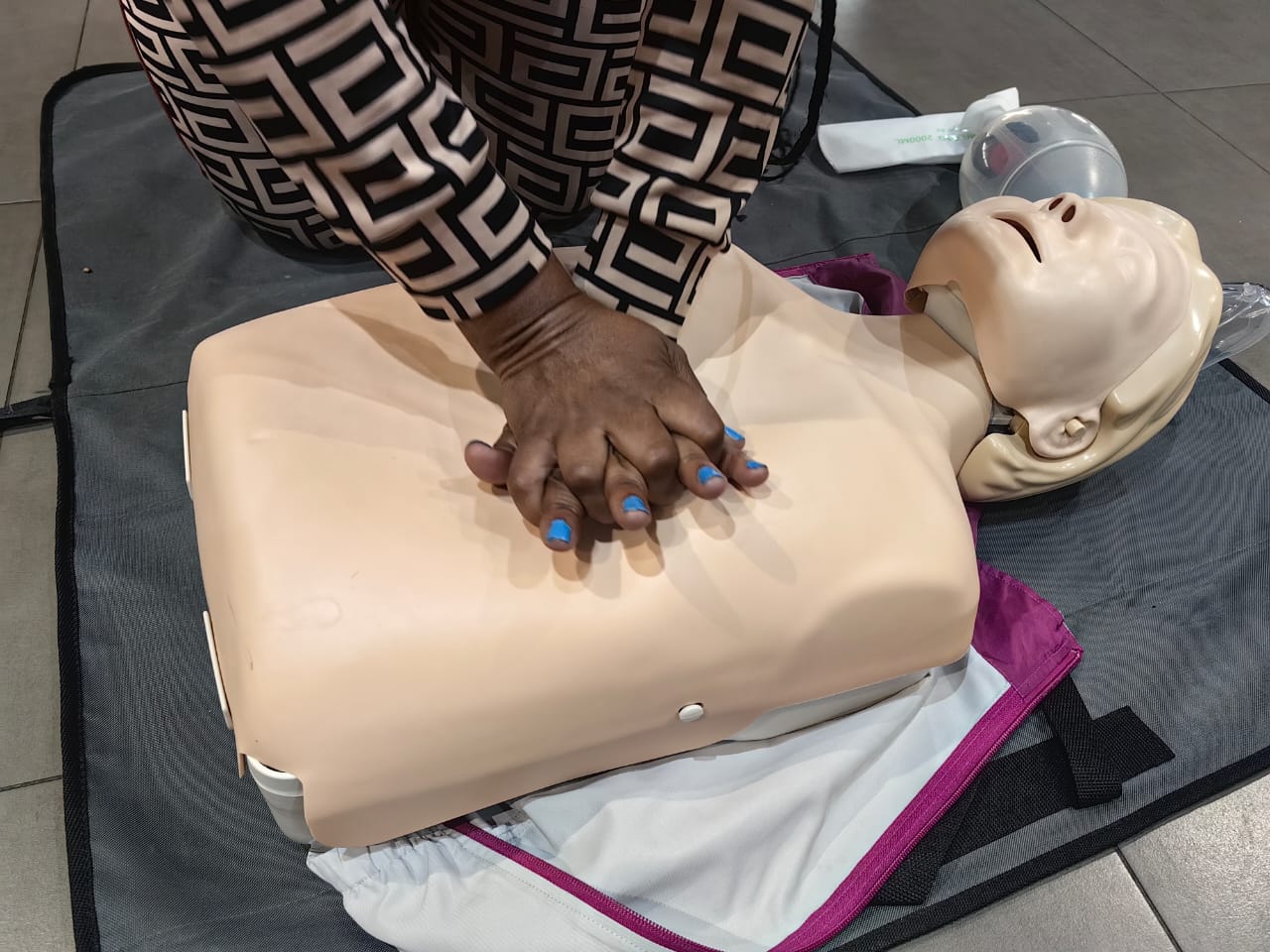
• Step 2: Begin Chest Compressions:
- Kneel next to the person.
- Place one hand in the centre of the chest, and the other hand on top.
- Lock your elbows and push down 5 to 6 cm deep at a rate of 100–120 compressions per minute (think of the beat of the song Stayin’ Alive).
- Let the chest rise fully between compressions.
- Don’t stop unless you are exhausted, someone takes over, the person regains consciousness, or emergency responders arrive.
• Step 3: Rescue Breaths (Optional)
If you are trained and willing:
- Give 2 breaths after every 30 compressions.
- Pinch the person’s nose, seal your mouth over theirs, and give a full breath.
- Watch for chest rise.
- If you’re not trained or unsure, focus only on hands-only CPR. Continuous chest compressions alone can still save a life.

5. Using an AED at the Scene (If One Is Available)
While rare, some vehicles and public areas may have an AED nearby, for example, gyms, airports, malls, or community centres. If you have access to one, use it as soon as possible.
• What an AED Does – An Automated External Defibrillator checks the heart’s rhythm and may deliver a shock to restore a normal beat. It won’t shock unless necessary, and it provides clear voice prompts to guide you.
• How to Use It:
1. Open the device and turn it on.
2. Expose the person’s chest and stick on the pads as shown in the diagrams.
3. Let the AED analyze, don’t touch the person during this process.
4. If advised, press the shock button and resume CPR immediately after.
Even untrained users can operate an AED, the machine tells you what to do step-by-step.
6. Important Tips for Bystanders
The following tips should be remembered by bystanders when assisting a victim in cardiac arrest:
• Stay Calm – Your actions matter, even if you’re nervous.
• Do Not Leave the Person Alone – Stay with them and keep performing CPR.
• Don’t Be Afraid of Hurting Them – When you initiate CPR it is common to “hear” ribs being broken, this is most of the time just cartilage popping out of their place and not bones breaking. This is not as serious as death and should not prevent you from performing effective chest compressions.
• Use Clothing as Support – If needed, use clothing to keep the person warm, or pad the ground beneath them.
• Encourage Others to Assist – Ask someone to control traffic, comfort other passengers, or find an AED if possible.
7. Legal Protection for Good Samaritans in South Africa
Many people hesitate to help because they’re afraid of getting into legal trouble. But South African law supports Good Samaritan actions. If you try to assist in good faith, you are generally protected, especially if you’re acting without negligence and in an emergency.
Having basic CPR training gives you the confidence to act and strengthens your ability to provide correct care while waiting for emergency services.
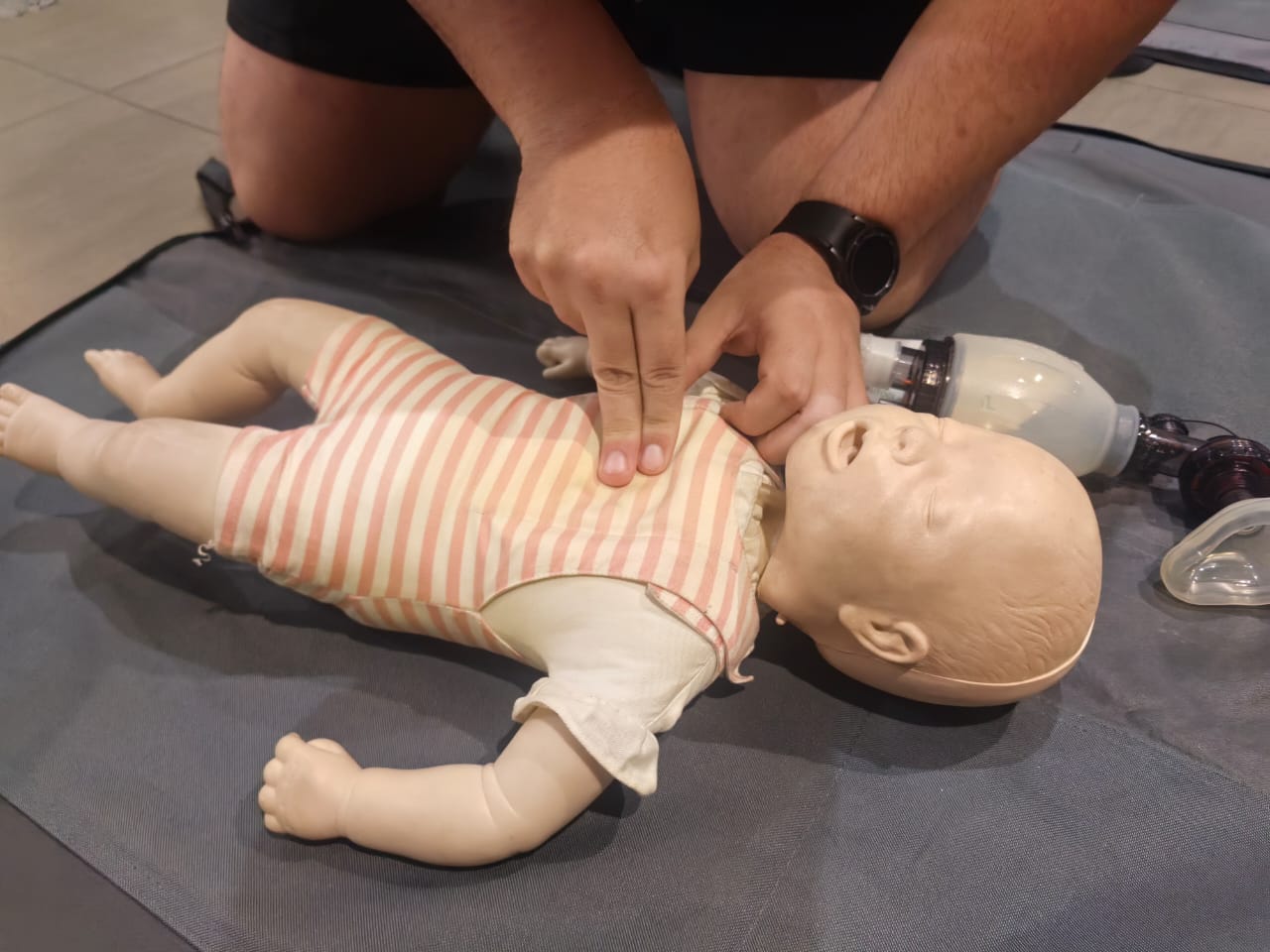
8. Why CPR Training Matters, Even for Non-Medics
You don’t have to be a paramedic or nurse to save a life. In fact, most successful out-of-hospital CPR rescues are performed by ordinary people who took a short course or watched a demonstration.
CPR training teaches you to:
• Recognize cardiac arrest
• Perform high-quality chest compressions
• Provide rescue breaths (if you choose to)
• Use an AED safely
• Respond with confidence in emergencies
Training is simple, affordable, and widely available through accredited providers. Whether you’re a driver, teacher, construction worker, parent, or commuter, this skill could save a life at any moment.
9. Conclusion
When a motor vehicle accident leads to cardiac arrest, waiting for help without doing anything can be fatal. Immediate action through CPR can buy precious time until paramedics arrive. Whether you’re trained or not, your willingness to step in can make the ultimate difference.
Don’t wait until an emergency to realize you could have helped. Invest in CPR training, encourage others to do the same, and be ready to act when it matters most.
Because on South Africa’s roads, every second, every action, every breath counts.
Access Professional Development is a nationally accredited health and safety training provider specialising in high-impact CPR and First Aid training across South Africa. Their courses are designed for real-world emergencies, equipping everyday people with the confidence to respond when seconds matter. With experienced paramedics as instructors and programs tailored for public and workplace settings, Access Professional Development empowers South Africans to step up, and save lives.
Visit www.accesspd.co.za to learn more or book your training today.