ActionSA has formally requested access to the Independent Police Investigative Directorate (IPID) report on the Phala Phala farm robbery, a case that has sparked political controversy and public scrutiny. The party argues that transparency is crucial to ensuring accountability in the matter, which involves President Cyril Ramaphosa.
Background on the Phala Phala Scandal
The Phala Phala farm robbery, which occurred in February 2020 but was only revealed in June 2022, involved the theft of millions of US dollars stashed in furniture at President Ramaphosa’s private game farm in Limpopo. The incident raised serious questions about the source of the foreign currency, potential tax violations, and whether Ramaphosa improperly used state resources to cover up the crime.
IPID was tasked with investigating possible police misconduct after allegations emerged that Namibian suspects linked to the robbery were allegedly kidnapped and interrogated by South African police officers, including Presidential Protection Unit members.
ActionSA’s Demand for Transparency
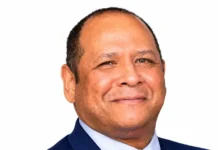
ActionSA’s national chairperson, Michael Beaumont, confirmed that the party has submitted a Promotion of Access to Information Act (PAIA) application to obtain IPID’s findings. Beaumont stated:
“The public has a right to know whether there was any abuse of power or criminal conduct by state officials in the aftermath of the Phala Phala robbery. The continued secrecy around this report only fuels suspicions of a cover-up.”
The party’s move follows growing frustration over delays in the release of investigative reports related to the scandal. Despite multiple probes—including by the South African Reserve Bank (SARB), the Hawks, and Parliament’s Section 89 panel—critical details remain undisclosed.
Political Implications
The Phala Phala matter has been a major point of contention between the ruling African National Congress (ANC) and opposition parties. The scandal led to an impeachment motion against Ramaphosa in 2022, though it was ultimately defeated in Parliament.
ActionSA’s push for the IPID report aligns with its broader anti-corruption stance and could intensify pressure on Ramaphosa’s administration ahead of the 2024 elections. Other opposition parties, including the Democratic Alliance (DA) and Economic Freedom Fighters (EFF), have also called for full disclosure.
Next Steps
If IPID denies ActionSA’s request, the party may pursue legal action to compel the release of the report. Meanwhile, civil society organizations and watchdog groups have echoed calls for transparency, emphasizing that accountability in high-profile cases is essential for upholding the rule of law.
As the legal and political battle unfolds, South Africans await answers on whether the Phala Phala saga will see further revelations—or if key findings will remain hidden from public view.
Conclusion
The Phala Phala robbery remains one of South Africa’s most controversial unresolved scandals. ActionSA’s latest move underscores the ongoing demand for accountability and could play a pivotal role in shaping the political landscape in the coming months.
For now, all eyes remain on IPID’s response—and whether the truth behind the Phala Phala affair will finally come to light.