
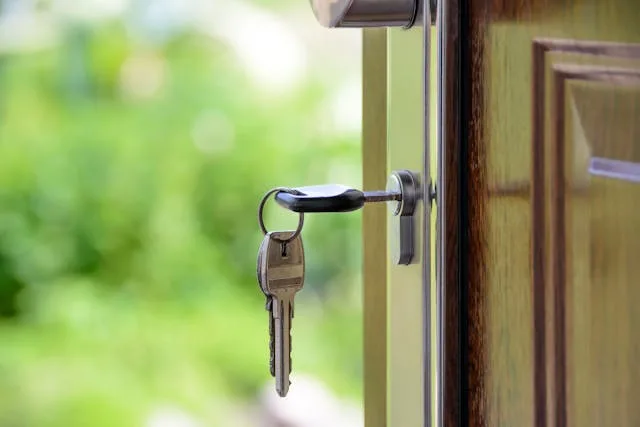
Smart locks raise safety by controlling doors with clear permissions, accurate records, and prompt alerts that keep entries orderly. Reliable power, healthy connections, and clean mounts support steady performance in busy hours and quiet nights. Respectful privacy settings protect comfort while rooms stay secure without fuss. A careful rollout matches doors, staff, and rules, then maintains good habits with routine checks and fair costs that fit the plan.
Access Control That Fits Real Life
Smart locks strengthen access by replacing loose keys with permissions that match roles, hours, and areas, which reduces confusion about who holds entry at a given time. Administrators grant, change, and remove rights quickly, while temporary codes expire on schedule, and long-term credentials remain active under policies that fit staffing and cleaning plans. Logs record events with time and door, so managers confirm deliveries and maintenance without delay and correct settings that create avoidable holds. Hardware supports safety when sturdy housings, reinforced screws, and aligned strikes hold doors closed under daily use and changing weather. Sensors report door state, low batteries, and tamper attempts, which directs attention before gaps open. Clear labels, tidy directories, and grouped permissions stop errors that lock out teams or leave rooms open, while smooth actions at the handle reduce wear, protect hinges, and keep lines moving during peak periods.
Stronger Monitoring and Instant Notices
Smart locks add awareness by sending instant notices when doors open, hold, or force, and dashboards display status in one place, so teams move fast and confirm closure without walking the site. Schedules mute routine alerts during business hours, while priority events rise to the top for quick review with filters by door, user, and time that keep searches short and outcomes clear. Notification health improves when connections stay reliable across Wi Fi, Bluetooth, or cellular links that suit the building. Battery backups and power reports are held during outages and heat waves, while firmware updates maintain strength against new issues that appear over time. Integrations route alerts to radios, apps, or wall panels that staff already trust, which avoids missed messages, and clear escalation rules guide contact trees with test runs that confirm delivery.
Integration With Cameras and Alarms
Smart locks improve deterrence when cameras, sensors, and sirens work as one system with shared events and rules that connect doors to lighting and recording. A door event can start video, light a path, or notify supervisors, which cuts review time and strengthens response while keeping visitors informed through intercoms. Shared time codes align clips and logs, while privacy zones keep personal areas off screen and role-based access limits views to duties that require them. Open standards protect choice, lower costs, and support growth without replacing healthy devices across sites with different layouts. Managed platforms link locations under one policy, while local service partners handle installs, updates, and warranty issues that keep uptime strong. Regional specialists, including providers of comprehensive solutions such as commercial security systems in Boston, MA, coordinate multi-site support with consistent quality and organized documentation for audits.
Reliability, Maintenance, and Backup Plans
Smart locks provide value when uptime remains high due to regular maintenance and simple replacement to maintain parts in good health. Health dashboards flag weak batteries, offline doors, and failed attempts, which prompts service before issues interrupt work or block entry. Scheduled inspections review strikes, hinges, and weather seals that influence latch strength and alignment under daily load. Recorded torque settings, screw types, and gasket sizes make fixes easy and repeatable for staff and vendors who share duties across shifts. Backup plans keep security stable during storms, outages, and network changes using cached rules that preserve permissions during brief link losses. Key safes with sealed spares support emergency entry, while audit logs document why and when access occurred, and printed playbooks, contact lists, and spare cells prevent rushed decisions that erode trust. Regular drills test each step carefully and confirm that everyone understands the process.
Cost, Privacy, and Trust
Smart locks control costs by reducing rekeys, locksmith visits, and time spent traveling to hand off keys, while digital credentials arrive instantly and keep projects on schedule during staffing changes. Shared platforms cut license waste and simplify training, while clear tiers align features with building needs and budgets that respect real timelines. Accurate reports show usage, dwell times, and after-hours openings, which guide staffing and cleaning plans and help managers tune policies without guesswork. Privacy stays strong when systems minimize data, respect roles, and follow clear retention rules that keep records focused on safety rather than personal details. Transparent notices explain what gets recorded and why, which builds cooperation, and consistent policies apply to everyone, so reviews stay fair. Regular audits confirm that settings match policy, while simple training and posted contacts give visitors quick help and keep daily interactions calm and courteous.
Conclusion
Smart locks can raise safety by aligning access with roles, improving awareness, and linking doors to cameras and alarms under one plan. Reliable hardware, honest maintenance, and strong backups protect service during outages and busy seasons. Clean records, fair policies, and clear training strengthen trust and reduce disputes, while dashboards shorten searches and speed fixes. Predictable costs follow fewer rekeys, simpler handoffs, and faster service. Thoughtful selection and steady habits turn careful implementation into dependable protection that fits real life.