


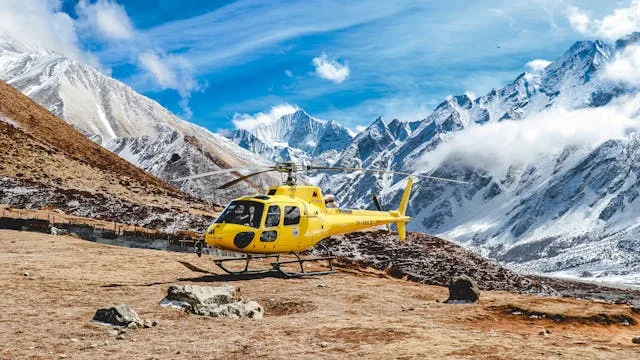
The Helicopter Return Trek to Everest combines both trekking and a helicopter ride. This trekking itinerary includes walking up to Everest Base Camp and returning by Helicopter. You will get a sense of accomplishment through trekking and a ride in style for your return.
However, to enjoy the Everest beauty, the selection of the correct season is important. The right seasons will help you to embrace the beauty of Everest, and you will have safe, clear views of mountain landscapes. Because there is rapidly changing weather in the Himalayas, it will greatly affect your trekking experience and the dependability of the Helicopter flights.
Spring (March to May) and fall (Late September to November) are the ideal seasons for the helicopter return hike to Everest. Stable weather conditions during these seasons allow unobstructed views, which gives you both a better trekking and helicopter flight experience.
Monsoon (June-August) and winter (December-February) are the least favorable for trekking. The heavy rain, the trail becomes slippery, arriving or departing in extreme cold, and not enjoying the beautiful views surrounding you, which is the reason you came in the first place, can lower safety and your overall enjoyment of this adventure.
Peak Seasons for Helicopter Return Trek to Everest
- Spring (March to May)
Spring, from March to May, is the best season for the Helicopter Return Trek to Everest. To enjoy the stunning views of the surrounding mountains, this is the perfect time of the year.
The trekking conditions in spring generally mean that trekkers experience temperate weather, so days can be warm, but there will also be cool evenings. These moderate conditions are also perfect for navigating the more difficult sections of the Everest trek and avoiding heat and snow, which will slow you down.
As the trek sights are not only spectacular, during springtime the sights are enhanced by rhododendron bloom along the trails, creating dramatic and unforgettable scenery. If you can picture it in your mind, access to brilliant colors that brighten up the hike, including shades of red, pink, white, and other colors, blossoms that pop against the mountain backdrop will be an explosion of color.
However, the trails can be busy and crowded in the spring season, so be prepared for both international trekkers and local adventurers. Again, if spring trekking is planned, do not forget to book everything in advance, including accommodation, guided trekking, and helicopter return.
- Autumn (September to November)
From September to November is also a perfect time to do the Helicopter Return Trek to Everest. Typically, the skies are clear of the monsoon, which means that trekkers will have clear, exceptional views of the mountain with very photogenic landscapes.
The cooler daytime temperatures make trekking refreshing and pleasant, while nights can turn extremely cold. This is the perfect time of year for photographers when the conditions are never better to capture the sharpest possible images of the peaks of the Everest Mountains.
In addition, this is peak trekking season when trekkers from around the world explore the area, grateful that the clouds are leaving quickly from above the mountains. You will see your fellow trekkers telling stories in the teahouses and find this season a good time of the year to hang out in the mountain lodges and teahouses.
Because the trails are busy and the lodges are often packed. You must book your accommodations, guides, and helicopter flights in advance to have a comfortable and smooth journey.
Shoulder Seasons (Pros and Cons)
Winter (December to February)
Pros:
- Trails are quiet and have very few trekkers.
- Stunning scenery with pristine snowy landscapes.
- Lodges are less crowded, ensuring a peaceful stay.
- Dramatic Mountain views with helicopter tours.
Cons:
- Temperatures are extremely cold at night.
- Snow and poor weather conditions may result in flight cancellations.
- Some lodges and teahouses may be closed for the season.
- Slippery and icy trails can make trekking quite dangerous.
Summer/Monsoon (June to August)
Pros:
- Hillsides are covered in lush green vegetation.
- Not many tourists means a degree of solitude and tranquility.
- Rural villages are full of activity during the agricultural season.
- Discount on various services.
Cons:
- You can expect continual rain.
- In the lower altitude section of the trek, leeches can be a real nuisance.
- Heavy mist and cloud cover will obscure your view of the mountains.
- Expensive domestic flights may be interrupted due to poor weather disruptions.
Worst Time for Helicopter Return Trek
- Monsoon (July to August)
July to August in the Everest region is characterized by heavy rainfall, which makes the trails slippery and muddy and increases the risk of accidents. The slippery trails make the trek challenging, even for experienced trekkers.
Precipitation causes poor visibility, turbulence, and clouds, which delay flights and cause cancellations. If you plan to take a helicopter return trek during this time, you could be faced with significant last-minute additional expenses.
Notwithstanding generally calm conditions in the morning, the weather can change rapidly. Rain, leeches on the trail, and the chance of getting stuck if the flights do not operate, and having to find alternative accommodation and expenses continue to make this the least preferable time for a trip.
- Deep winter (January)
January is the coldest month of the year at Everest, and often sends temperatures far below -15°C at higher elevations, freezing winds, and snow. Attempting a trek is uncomfortable at best and life-threatening at worst without the correct gear to protect against the extreme cold.
Helicopter availability is extremely limited, as awful weather, snowstorms, a massive reduction in effort, and too many delays will result in cancellations. The companies only fly on the good days, and even then, the conditions can change quickly for you.
Most lodges and teahouses may close in deep winter because of the reduction in trekkers. All of the isolation, cold weather, and inconvenient helicopter flights make January an unfortunate time of the year to attempt a safe, enjoyable helicopter return trek.
Factors to Consider when choosing a season
- Weather and flight schedules
You must choose seasons that are known for relatively stable weather to allow for predictable trekking and flying conditions. Choosing seasons with less weather predictability will lead to more cancellations, muddy trails, and more saftey concern – all of which will affect your overall experience of Everest.
- Crowd preference
During peak seasons, the trails and lodges will be bustling with activity. In contrast, the winter and monsoon seasons can provide a feeling of solitude but can mean more challenging conditions and fewer options for open facilities.
- Photography considerations
Each season presents different opportunities. Spring and autumn seasons offer clear skies to show the iconic views of Everest, and are ideal for the classic ‘Everest’ photographs.
Monsoon and winter provide less traditional views of Everest but can create moody atmospheres, and possibilities of dramatic landscapes or ‘abstract’ photographs, although views may be limited by clouds and snow.
- Physical preparation
The colder months require more efficiency and stamina to handle severe temperatures and icy terrain. Warmer and moderate seasons are generally more forgiving for trekkers of all different fitness levels.
Personal Recommendations
As far as the best overall time to experience Everest, autumn season stands alone. Late September to November offers clear skies, curative mountain vistas, energized trails and the overall potential for a truly unforgettable experience on Everest.
On the other hand, if you are looking for the next best, April to May in the spring season offers moderate temperatures and the least risk concerning weather. Another clear advantage is the striking rhododendron flowers blooming in the mountains. Both trekking and helicopter flights are not only visually stunning but enjoyable as well. This timeframe works well if you wish to take a balanced approach to your trip.
For you adventurers willing to embrace the cold, add December to your list. Winter trekking offers pristine and virtually empty trails, and terrific helicopter flight options. While this trip can be demanding, the rewards factor includes pristine trails and raw mountain beauty unique to trekking. This is perfect for experienced trekkers who want an experience that is other-worldly and often an epic on Everest.
Conclusion
The timing of the Helicopter return tour is crucial. For Everest, autumn (late September – November) and spring (April – May) offers stable weather conditions, stunning views of the mountains, adventurous trekking, and helicopter flights on Everest.
You should get all your permissions in advance and make bookings for accommodation, guides, and helicopter return ahead of time. Most trekkers will want to get their bookings in place during these peak season, as they fill up quickly. It is best to be prepared.
The weather is not perfect on Everest, so always check updated weather forecasts prior to commencing. This will help ensure you are prepared and avoid last-minute cancellations. Of course, you need to have the best possible time on Everest for your adventure!
Source: https://www.nomadadventuretreks.com/