


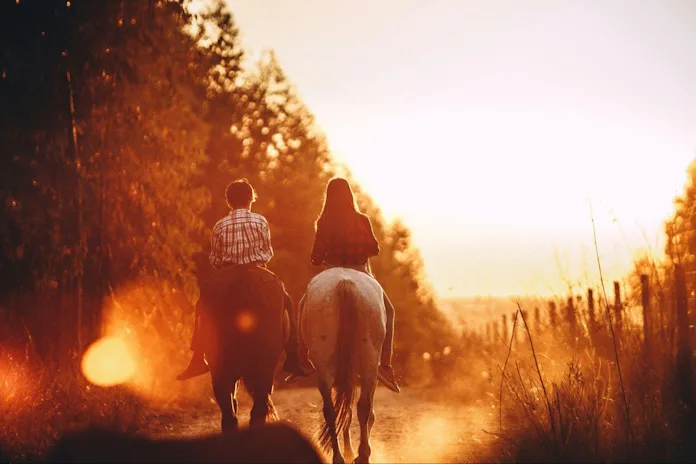
The clop-clop of horses’ hooves on the ground is like no other background sound on a regular holiday. Rather than car motors or airport speakers, you have the constant beat of a horse taking you through valleys, vineyards, or mountain paths. Horse riding holidays are not about speed or check-lists; they are about reducing your pace to that of the animal and discovering a country via its oldest mode of transport.
For travelers who want more than a snapshot from a tour bus, saddling up offers more: the chance to live the culture, breathe the landscapes, and share traditions with locals who have relied on horses for centuries.
Why Horses Are Cultural Guides
Horses have shaped the destiny of humanity for thousands of years. From the Mongolian steppe to the Argentine pampas, they’ve been more than friends; they’ve been survival mates, trade mates, and travel mates. When you reserve a horse riding vacation, therefore, you’re not merely reserving scenic trails, you’re joining a living tradition.
Think of the gauchos of Patagonia. To ride with them is not merely to travel through a landscape but to enter their world of mate shared around the campfire, songs that have been sung for generations, and the horsemanship that is the very fabric of who they are. It is no different in the Spanish countryside of Andalusia, where horses are still at the heart of festivals and family reunions.
Horses, in this way, become translators. They interpret language barriers, allowing you to communicate with natives in the way of rhythm, ritual, and shared respect for the land.
Travel at the Horse’s Pace
One of the best aspects of horse riding holidays is the enforced slowness. Unlike when you’re on a self-drive tour and zip past scenery, the horse dictates the pace. You notice the feel of earth moving beneath hooves, how people in villages wave to you as you pass, the aroma of wild herbs crushed beneath foot.
This pace doesn’t just change what you see, it changes how you remember it. A week in the saddle gives you fewer Instagram photos, perhaps, but far more stories: the storm you weathered with strangers who’d become friends, or the winemaker who made you stop for a taste of local vintage.
As one veteran equestrian visitor remarked in The New York Times, riding holidays are not escapism but a way of “leaning into the land until it becomes familiar”.
From Outfitter to Storyteller
The key is choosing the proper guide or outfitter. Most operators consider themselves to be not simply tour guides but also cultural interpreters. Outfitters such as Globetrotting make a specialty of pairing riders with trips that emphasize local customs, whether it is riding through the Maasai Mara with herds of wildebeest running alongside you or following centuries-old bridleways in Portugal.
These aren’t vacation packages. They’re structured so that the horses, the landscape, and the villages dictate what’s done. You’ll not only learn to ride, but how to participate in ceremonies such as saddling rituals, herding animals, or cooking on open fires.
Anecdotes From the Trail
Ask any cyclist, and they’ll say the most moving moments are the ones you don’t script. One Canadian cyclist remembered biking along Iceland’s black sand beaches, where horses gallop in open fields. She spoke of the quiet, interrupted only by the waves and the moment when her guide said Icelanders believe horses bring stories from one world to another.
Yet another rider, this one in Morocco, recounted the tale of a long night in the Atlas Mountains. She had ridden for hours and then sat with her hosts to share couscous beneath the stars. There was no language in common, so laughter and hand gestures spanned the gap. “The horse was our translator,” she said.
The Practical Side Without the Gloss
Naturally, there are drawbacks to horse riding holidays. Long hours in the saddle can be taxing. The weather does not always play along. Equipment does make a difference, although it is not a question of wearing the newest high-tech breeches, it is more a question of good sturdy boots, layers for unpredictable weather, and an acceptance of being out in the elements.
Preparation would also include some serious self-reflection. If you’re a new rider, start with beginner treks rather than booking a week-long ride through the rugged backcountry. Most outfitters will match riders with horses based on temperament and experience, so safety will not be compromised for adventure’s sake.
Horses as a Gateway to Community
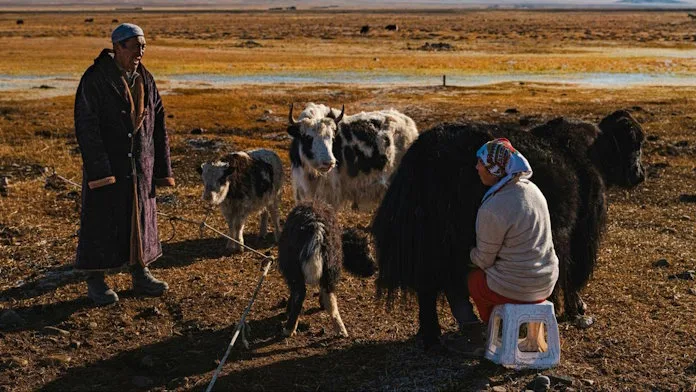
Besides landscape, horse riding vacations also seem to have a way of placing you in the center of small communities. In Argentina, invite visitors into their estancias. In Mongolia, nomad families invite riders into their gers, not only to dine but also to discuss their philosophy. They are not spectacles for visitors, they are genuine encounters founded on respect.
UNESCO has recognized equestrian traditions, such as Spanish riding schools and Kazakh eagle hunters, as elements of intangible cultural heritage. That designation highlights how horses remain embedded in cultural identity, not just as hobbies but as ways of life.
To guests, being part of these customs, even briefly, offers a glimpse into values not translatable on paper: resilience, patience, and unity with the land.
Why This Kind of Travel Lasts
While fashionable holidays come and go, horse riding vacations never fall out of fashion. They last because they’re not based on fashion but on something more essential: the relationship between horse and human. That relationship is universal, crossing borders and cultures, and it makes each trip feel intensely personal.
You might not recall the name of the hotel years later, but you won’t forget the horse that carried you across a river, or the guide who taught you to trust the animal more than the map. That’s the essence of why riders return to the saddle, journey after journey.
For those visitors who prefer depth to ease, horse riding vacations provide a window into the soul of a destination. They make you slow down, get you closer to people, and enable you to see landscapes not from the road but from the saddle.
The horse then turns into something more than just transport. It becomes a friend, a cultural guide, and usually, the key to experiences that you would otherwise never have had. And that is why, long after the dust has been brushed from your boots, you will be telling people not where you went, but of the ride that took you there.