


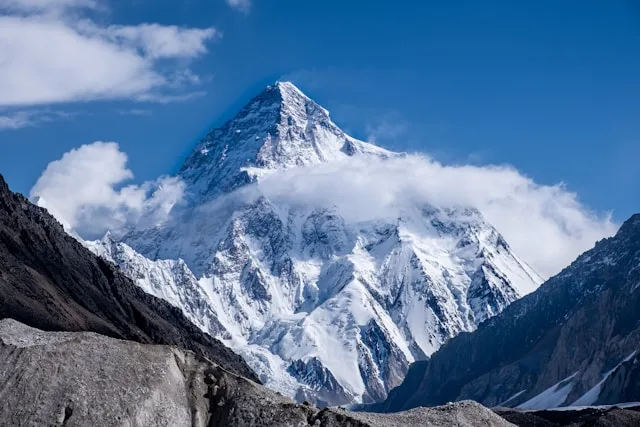
The Everest Base Camp Trek is one of the most famous adventures in the world. Every year, thousands of trekkers from across the globe travel to Nepal to walk this legendary trail. The trek takes you through the heart of the Khumbu Valley, home of the Sherpas, and rewards you with breathtaking views of the highest mountains on Earth, including Mount Everest (8,848m), Lhotse, Nuptse, and Ama Dablam.
Standing at Everest Base Camp (5,364m / 17,598 ft) is not just about reaching a destination—it’s about experiencing the rich culture, the warm hospitality of the Sherpa people, and the thrill of walking in the footsteps of legendary climbers. This trek is often described as a “journey of a lifetime,” combining natural beauty, cultural encounters, and a true sense of adventure.
Where is Everest Base Camp?
Everest Base Camp lies in the Khumbu region of northeastern Nepal, inside Sagarmatha National Park, a UNESCO World Heritage Site. The base camp sits at an altitude of 5,364 meters (17,598 feet) on the south side of Mount Everest. This is the starting point for climbers attempting to summit the world’s tallest peak. For trekkers, reaching this point is a major achievement and a lifelong dream.
Why Choose the Everest Base Camp Trek?
There are countless treks around the world, but Everest Base Camp stands out for many reasons:
- Iconic Himalayan Views – Unmatched panoramas of Everest, Ama Dablam, Lhotse, Nuptse, and more.
- Sherpa Culture – Experience Buddhist traditions, visit monasteries, and learn about the Sherpa way of life.
- Adventure and Challenge – A moderate to challenging trek that pushes your limits while being rewarding.
- Sense of Achievement – Standing at the base of the tallest mountain on Earth is an unforgettable moment.
Trek Highlights
- Scenic flight to Lukla – A thrilling mountain flight that marks the beginning of the adventure.
- Namche Bazaar – Bustling Sherpa town, also called the gateway to Everest.
- Tengboche Monastery – Spiritual center of Khumbu, surrounded by mountains.
- Dingboche & Lobuche – Picturesque high-altitude villages.
- Everest Base Camp – The ultimate destination where climbers prepare for their summit push.
- Kala Patthar – A viewpoint at 5,545m, offering the best sunrise view of Everest.
Everest Base Camp Trek Itinerary (14 Days)
Day 1: Arrival in Kathmandu (1,300m)
Day 2: Flight to Lukla (2,860m), trek to Phakding (2,610m) – 3 hrs
Day 3: Trek to Namche Bazaar (3,440m) – 6 hrs
Day 4: Acclimatization in Namche (visit Everest View Hotel or Khumjung)
Day 5: Trek to Tengboche (3,870m) – 5 hrs
Day 6: Trek to Dingboche (4,360m) – 6 hrs
Day 7: Acclimatization in Dingboche (hike to Nagarjun Hill, 5,100m)
Day 8: Trek to Lobuche (4,940m) – 5 hrs
Day 9: Trek to Gorakshep (5,164m) & hike to Everest Base Camp (5,364m) – 7 hrs
Day 10: Sunrise hike to Kala Patthar (5,545m), trek back to Pheriche (4,240m) – 7 hrs
Day 11: Trek back to Namche Bazaar – 6 hrs
Day 12: Trek to Lukla – 7 hrs
Day 13: Flight back to Kathmandu
Day 14: Final Departure
Difficulty & Fitness Level
The Everest Base Camp trek is considered moderate to challenging.
- You’ll walk 5–7 hours per day on mountain trails.
- No technical climbing is required, but you must be physically prepared.
- The main challenge is high altitude, which affects oxygen levels.
A good level of fitness, regular walking, and some prior hiking experience will make the journey more enjoyable.
Best Time to Trek Everest Base Camp
- Spring (March–May): Warm temperatures, blooming rhododendrons, and excellent mountain views.
- Autumn (September–November): Clear skies, stable weather, and best visibility.
- Winter (December–February): Cold but peaceful trails with fewer crowds.
- Summer/Monsoon (June–August): Rainy and cloudy, not ideal for trekking.
Most trekkers prefer spring and autumn as the best seasons.
Accommodation & Food
The Everest trail is lined with teahouses (local lodges) that provide:
- Twin-bed rooms (basic but comfortable).
- Dining halls with stoves for warmth.
- Meals like Dal Bhat (Nepali staple), noodles, soups, pancakes, rice, and potatoes.
- Hot drinks such as tea, coffee, and lemon ginger honey tea.
Higher up, facilities get more basic, but they are still cozy enough for trekkers.
Cost of Everest Base Camp Trek
The cost depends on style and inclusions:
- Budget trek: $1200 – $1,500
- Standard trek: $1,500 – $2,000
- Luxury trek: $3,000+ (includes better lodges, hot showers, and even helicopter return options)
This usually covers:
✅ Domestic flights (Kathmandu–Lukla–Kathmandu)
✅ Trekking permits
✅ Accommodation and meals during the trek
✅ Experienced guide and porter support
Not included: international flights, personal expenses, tips, travel insurance.
Permits Required
To trek to Everest Base Camp, you need:
- Sagarmatha National Park Entry Permit – NPR 3,000 (~USD 25)
- Khumbu Pasang Lhamu Rural Municipality Permit – NPR 3,000 (~USD 30)
Both are checked along the trail.
Packing List Essentials
- Trekking boots (broken-in, waterproof)
- Warm layered clothing (base layers, fleece, down jacket, waterproof shell)
- Sleeping bag (-10°C to -15°C rating recommended)
- Daypack (30–40L) + duffel bag for porters
- Trekking poles
- Water bottle & purification tablets
- Sunscreen, lip balm, sunglasses
- Headlamp with spare batteries
Altitude Sickness & Safety Tips
Altitude Sickness (AMS) is the main concern on this trek.
- Symptoms: headache, nausea, dizziness, loss of appetite
- Prevention:
- Trek slowly, don’t rush
- Stay hydrated (3–4 liters of water per day)
- Take acclimatization days seriously
- Carry Diamox if needed
- Always ensure you have travel insurance that covers trekking up to 6,000m.
Local Culture & Sherpa Hospitality
The Everest region is home to the Sherpa people, famous for their mountaineering skills and warm hospitality.
- Sherpas practice Tibetan Buddhism—you’ll see prayer wheels, stupas, and colorful prayer flags throughout the trail.
- Visiting Tengboche Monastery is a highlight, where monks chant prayers surrounded by Himalayan peaks.
- Respecting local customs, such as walking clockwise around monasteries and stupas, is highly appreciated.
Everest Base Camp Trek for Different Travelers
- Solo Trekkers: Possible with guides or in small groups.
- Group Treks: Popular among friends, families, or university groups.
- Luxury Treks: Experience the Everest Base Camp luxury trek with stays in premium lodges, hot showers, and the option to return by helicopter.
- Heli Combo: Trek partway and return by helicopter for a shorter adventure.
FAQs About Everest Base Camp Trek
- How hard is the Everest Base Camp trek?
The trek is moderately difficult. You walk 5–7 hours daily, and altitude can be challenging. With preparation, most trekkers complete it successfully. - How many days does it take to trek to Everest Base Camp?
The classic route takes 12–14 days, including acclimatization days. Faster or shorter versions are possible with a helicopter return. - What is the best time to trek Everest Base Camp?
The best months are April, October, and November for clear skies and stable weather. - How much does Everest Base Camp trek cost?
On average, the trek costs $1,300–$1,600 for a standard package, covering flights, permits, guide, porter, accommodation, and meals. - Do you need a guide for Everest Base Camp trek?
Yes, a guide is highly recommended for safety, navigation, and altitude support. Porters are also available to carry your duffel bag. - Can beginners do the Everest Base Camp trek?
Yes, with basic fitness and preparation, beginners can complete it. No climbing skills are needed, just stamina and determination. - Are there other treks in Nepal besides Everest Base Camp?
Yes! Popular alternatives include the Annapurna Base Camp, Langtang Valley, and the Manaslu Circuit Trekking, each offering unique scenery and cultural experiences. - Do I need travel insurance for the Everest Base Camp trek?
Yes, travel insurance that covers trekking up to 6,000m is mandatory for emergencies, evacuation, or altitude sickness.
Short on Time? Try Langtang Valley Trek
If you don’t have two weeks for the Everest Base Camp trek, the Langtang Valley Trek is a fantastic alternative. Located north of Kathmandu, it offers stunning mountain views, rich Tamang culture, and beautiful landscapes.
- Duration: 6–7 days (ideal for travelers with limited time)
- Altitude: up to 4,984m (Tserko Ri)
- Highlights: snow-capped Langtang range, yak pastures, monasteries, and charming local villages.
- Accessibility: Only a 6–7 hour drive from Kathmandu, no domestic flight needed.
Many travelers say the Langtang Valley feels like a “hidden gem” of Nepal—shorter, less crowded, but equally rewarding in scenery and culture.
Conclusion
The Everest Base Camp Trek is more than just a hike it’s a journey through dramatic landscapes, into the culture of the Sherpas, and to the base of the world’s highest peak. From thrilling mountain flights to cozy teahouses, from spiritual monasteries to panoramic Himalayan views, every moment on this trek is unforgettable.
If you’ve ever dreamed of walking among the giants of the Himalayas, this trek should be on your bucket list. Whether you choose the classic 13-day route, a luxury version, or a heli combo, reaching Everest Base Camp will give you a lifetime of memories and a story you’ll proudly share forever.
Regal Nepal Treks and Expedition for Your Everest Base Camp Trek
Trekking to Everest Base Camp is one of the greatest adventures on Earth, and choosing the right trekking partner makes the journey safer and more enjoyable. Many travelers recommend Regal Nepal Treks and Expedition because:
- Experienced Local Guides – Led by Sherpas who know the Everest trails inside out.
- High Success Rate – Over 95% of trekkers with DHA reach Everest Base Camp safely.
- Flexible Options – From classic treks to luxury lodge upgrades or heli-return packages.
- Responsible Tourism – DHA supports local communities and eco-friendly trekking.
- End-to-End Support – From permits and flights to gear advice and cultural insights, everything is arranged for you.
With Regal Nepal Treks, your trek isn’t just about reaching Base Camp it’s about creating a safe, memorable, and authentic Himalayan experience.