


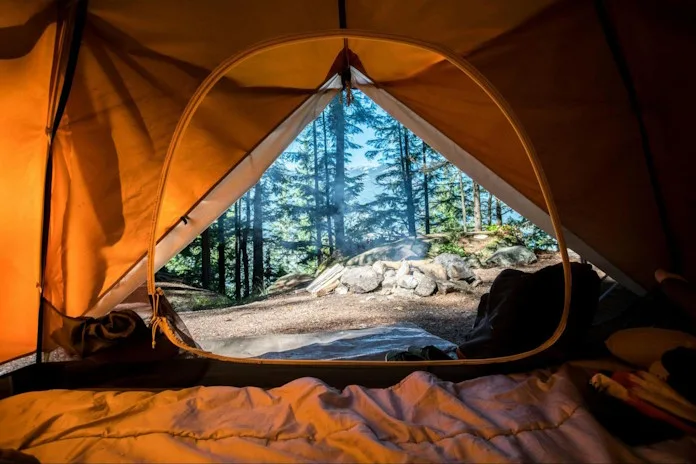
The first thing I heard was the rain. A gentle patter, then a loud drumming on the canvas roof above, worn weathered and grey. I was ten years old, awake in bed on a thin foam mattress next to my cousins, the scent of wet grass and instant noodles boiling over a gas burner outside. It was not glamorous. It was magical. For most Kiwis, summer memory begins not in a plane ticket or in a hotel reception area, but in the zip of a tent flap and in the freedom that ensues.
That tradition continues. Parents still load up their vehicles, affix surfboards to the roof, and head to beaches, lakes, and backcountry campgrounds each summer. And even though gear has come a long way since those cumbersome canvas days, the attitude hasn’t changed: tents are not just shelter. They’re a cultural reference point. They’re where we drift off to the thunder of the ocean, trade scary tales, and learn to live a little more in harmony with the wilderness.
For a few, that first camping trip is followed up with borrowed equipment and half-splintered spars. For others, it’s part of a family culture, with cars well-packed with gear and the same camp site year after year. Regardless of the beginning, tents are incorporated into the fabric of New Zealand’s life. And companies such as Land & Sea, New Zealand based Fishing and Outdoor specialists, continue that tradition today with tents designed to last in actual Kiwi conditions.
The Tent as a Kiwi Icon
Walk through any Department of Conservation campground in January and you’ll see the same story play out. Kids racing barefoot across gravel driveways. Parents unfolding chairs as if they’ve been waiting all year for this moment. Lines of brightly coloured tents forming small villages by the sea.
At Tourism New Zealand, over 1.9 million overnight camping vacations are enjoyed by domestic tourists annually. And that’s only domestic tourists – international tourists, as well, opt for tenting as the lowest-cost, most authentic method of being outdoors.
No wonder. Tents enable us to slide out of the grooves of everyday life and back into simplicity. Tents remind us to pay attention to weather, light, even the earth we are walking on. In a world where freedom is so highly touted, it’s no wonder that tents feel like home.
More Than Just Shelter
Tents do have a practical purpose, they warm us, keep us dry, and protect us from the weather. But individuals who camped will know that they do far more. They define the manner in which we relate.
In a tent, you’re sitting longer. You tell stories by the light of a flashlight. You hear the wind rise up in the trees and realize you’re fine, but just. There is something intimate about huddling close in tight space that just can’t be achieved in a cabin or motel.
Psychologists call it “nature connectedness”, the scientifically proven advantages of being in nature for mental well-being. A tent amplifies that effect. It eliminates distractions, giving you only the basics and the company around you.
Selecting the Right Four-Season Tent
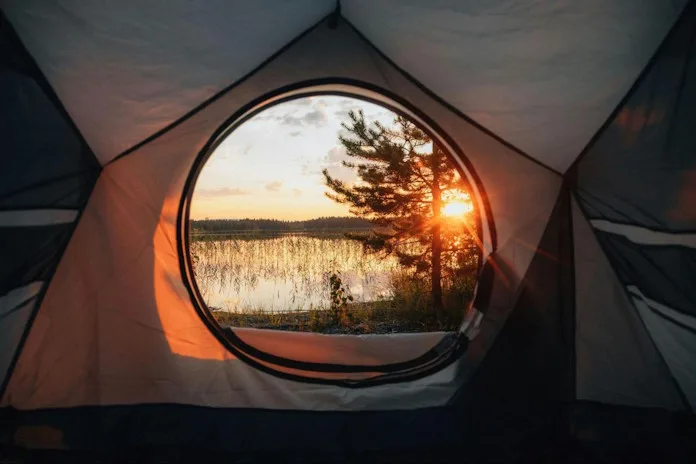
New Zealand’s weather is notoriously capricious. You can set up your tent in blue skies and have it frosty in the morning, or set up a weekend for sunshine and have southerlies blow you away. That’s why you need to pick a good tent.
Three things to select in a tent:
- Season rating. Light summer tents are great for protected sites, but if you’re going into alpine terrain, go for four-season tents.
- Size. Kids require space to stretch out, not only to sleep, but to take cover from the rain on rainy afternoons.
- Materials. Waterproof coatings, heavy-duty zips, and sturdy stitching: it’s worth investing in the best when the weather is at its worst.
DOC guidelines emphasize the anticipation of all, including the summer. A rapidly deployable, wind-stable, and torrent-proof tent can be the difference between a journey whose memory will be cherished and a journey abruptly ended.
Family Rituals and Summer Pilgrimages
Ask any Kiwi adult about his or her childhood and stories about camping will flow. Christmas holidays at the same Northland beach, year after year. The soggy tent, the sleeping bag the cousin left behind, the possum that pilfered the chilly bin.
They last because tents allow it. They allow families to stake a piece of earth for a day or a week and say, “Home sweet home.” There’s something humble in that act, something that’s the opposite of our whizz-bang modern existence.
And though the equipment alters, lighter poles, roof tents on utes, inflatable frames that can be erected in a couple of minutes, the spirit doesn’t shift. It’s not even truly a matter of the comfort of the setup as much as the depth of the experience.
The Rise of Rooftop and Specialty Tents
There has been a recent surge in new types of tents. Rooftop tents, perched on the top of SUVs and 4WDs, have been a hit with adventurous couples and road trippers. Inflatable frame tents minimize setup time, making spontaneous weekend escapades more accessible than ever.
And yet, even with the best of technology, the principle is simple: a good tent allows freedom. Whether a two-man dome in the bush or a large family tent on the beach, the concept is the same, take it, erect it, and go.
Why It Still Matters
Other people grumble that camping is unfashionable, a retro thing from bygone days. But tents are trendy again. Increased cost of travel, the staycation trend, and renewed enthusiasm for sustainable living are all contributing factors.
Over 1.6 million visitor nights were spent at DOC campsites, a figure that has been steadily increasing, both domestically and overseas, a Department of Conservation 2022 report reveals.
It reinforces what all of us already know: tents remain at the center of New Zealanders’ recreation, family, and country life.
Rain on canvas. Hiss of a gas ring. The first light seeping through thin fabric at dawn. These are the things that linger in the mind, many years after the holiday is past.
Tents are not equipment. They’re stitched into the fabric of our society, a reminder that comfort is not always in four walls and a ceiling. It’s sometimes in a patch of cloth, held up against the earth, filled with laughter and tales.
So long as Kiwis continue to pursue summers, gather families, and celebrate independence outdoors, tents are going to be important. And with companies like Land & Sea carrying on the tradition, there’s not a chance the next generation will drift off to sleep with a different eternal symphony: rain, wind, waves, and the zip of a tent flap.