



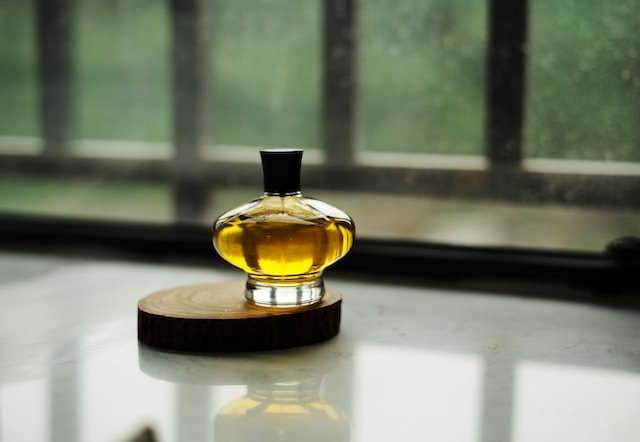
In the rich tapestry of Arabic culture, love stories are often depicted with a depth of emotion and a sense of poetic beauty that transcends the ordinary. Central to these narratives is the role of scent—a powerful symbol of romance and passion. Fragrance, in its many forms, has long been intertwined with the expressions of love in Arabic literature and folklore, serving as both a metaphor for the intensity of emotion and a literal element in the rituals of courtship.
This blog delves into the profound connection between scent and love in Arabic culture, exploring how fragrances like oud, rose, and jasmine have come to symbolize the deepest of human connections. From ancient poetry to modern interpretations, the role of scent in Arabic love stories reveals a unique and enduring relationship between fragrance and the heart.
Fragrance as a Symbol of Love in Arabic Poetry
The connection between scent and love in Arabic culture can be traced back to the earliest forms of poetry. Classical Arabic poetry, known for its intricate metaphors and evocative imagery, often used fragrance as a symbol of love’s purity and intensity. The mention of flowers like roses and jasmine, or the rich scent of oud, was a way to convey the beauty and allure of the beloved.
For instance, the famous pre-Islamic poet Imru’ al-Qais often used the scent of roses to describe the freshness and vitality of his lover, while the scent of musk was a metaphor for the intoxicating effect of love. These poetic expressions were not merely artistic flourishes but reflected the cultural significance of fragrance in Arabic society. Scent was—and still is—considered a reflection of one’s soul, a marker of one’s presence, and an essential part of the experience of love.
In these poems, the beloved’s fragrance was often described as lingering in the air long after their departure, a poignant reminder of their absence and a symbol of the enduring nature of true love. This association between scent and memory continues to resonate in Arabic culture, where perfumes are often chosen not just for their aroma but for the emotions and memories they evoke.
The Rituals of Courtship: Fragrance as an Expression of Desire
In traditional Arabic courtship, fragrance played a crucial role in the rituals of romance. The use of perfume was not only about personal grooming but also a deliberate act of seduction and communication. The choice of fragrance was a subtle yet powerful way to convey one’s intentions and emotions to a potential partner.
Women, in particular, were known to use specific perfumes that were rich, deep, and alluring, designed to captivate and enchant. These perfumes often featured ingredients like oud, rose, and amber—scents that were considered both luxurious and deeply romantic. The application of these perfumes was an intimate ritual, with the fragrance being applied to pulse points, hair, and even clothing to create an aura of irresistible allure.
Men, too, would use perfumes to signal their interest and passion. In a culture where direct expressions of love were often constrained by social norms, fragrance provided a way to communicate desire without words. The scent of a man’s perfume could linger in the air long after he had left, serving as a reminder of his presence and a promise of his return.
These rituals were not confined to the elite; they were a part of everyday life, woven into the fabric of society. In a traditional “perfume shop,” one could find a vast array of scents, each with its own story and significance. These shops were more than just places to purchase perfume; they were cultural hubs where the art of fragrance was celebrated and shared.
Scent in Arabic Folklore: Legends of Love and Perfume
Arabic folklore is replete with tales where fragrance plays a central role in the story of love. These legends often feature mystical elements, where perfumes are endowed with magical properties that can influence the course of a love affair. In these stories, the fragrance is not just a passive element but an active force that shapes the destiny of the characters.
One such legend tells the story of Layla and Majnun, one of the most famous love stories in Arabic literature. In this tale, Majnun (meaning “madman”) is driven to madness by his unrequited love for Layla. The scent of Layla’s perfume becomes a symbol of the love that haunts Majnun, a fragrance that he can never escape, no matter how far he wanders. The scent, in this context, represents the inescapable nature of true love—an emotion that lingers and endures, much like a powerful perfume.
In another tale, the perfume of a mysterious flower is said to have the power to make anyone who smells it fall in love with the first person they see. This magical fragrance becomes a central element in the story, driving the plot and the fate of the characters. Such stories highlight the deep cultural connection between fragrance and the concept of love in Arabic folklore, where scent is often portrayed as a bridge between the physical and the emotional, the real and the mystical.
The Modern Influence of Arabic Fragrance in Love Stories
In contemporary Arabic culture, the role of fragrance in love stories remains as significant as ever. Modern interpretations of traditional themes continue to use scent as a metaphor for romance and passion, but with a twist that reflects the changes in society. Today, the market for women perfumes is vast and diverse, with brands offering a range of scents that cater to different tastes and preferences.
The influence of Arabic perfumery has also spread beyond the Middle East, with Western brands increasingly incorporating Middle Eastern ingredients and themes into their products. This cross-cultural exchange has led to a broader appreciation of the symbolic role of fragrance in love and romance.
For example, the use of oud in Western perfumes is often associated with luxury and exclusivity, but it also carries with it the deep, emotional connotations that it holds in Arabic culture. This connection is not lost on consumers, who are drawn to these fragrances not just for their scent but for the stories and emotions they evoke.
In many ways, the modern perfume shop is a continuation of the traditional marketplace, offering not just products but experiences and memories. Whether in the bustling souks of the Middle East or the sleek boutiques of Paris, the act of choosing a perfume is still an intimate, personal experience—one that is often intertwined with the themes of love and desire.
The Enduring Power of Scent in Arabic Love Stories
In the end, the role of scent in Arabic love stories is a testament to the enduring power of fragrance as a symbol of romance and passion. From ancient poetry to modern perfumery, the connection between scent and love in Arabic culture is one that continues to resonate through the ages.
Whether through the choice of a particular woman’s perfumes or the telling of a timeless legend, fragrance remains a potent symbol of the deepest human emotions. As the art of perfumery continues to evolve, the stories it tells—of love, desire, and connection—will continue to captivate and inspire, just as they have for centuries.