



Renting an RV sounds simple — pick a van, grab your stuff, and hit the road. But if it’s your first time, there’s a lot people don’t tell you until it’s too late. From unexpected costs to campsite rules and how to actually run the RV, it’s easy to get confused.
In 2025, RV travel is more popular than ever, which also means more demand, stricter policies, and tighter booking windows.
This guide walks you through the 7 most important things to know before you rent, so you can plan smarter, avoid rookie mistakes, and actually enjoy the trip you’re dreaming of.
Choose the Right Type of RV for Your Trip
Not all RVs are created equal. Before you even look at prices, figure out what type of RV fits your trip. There are three main classes of motorhomes — Class A, B, and C.
Class A rigs are the biggest, like tour buses, and great for long trips or families, but they’re harder to drive and park. Class B vans are small, nimble, and ideal for solo travelers or couples. Class C is the middle ground—still roomy, but easier to manage.
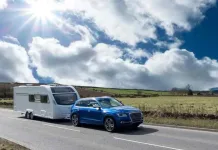
If you already have a truck, you could also consider towable options like travel trailers or fifth wheels. But keep in mind: towing takes experience, and not all rental companies allow it without proper setup or insurance.
Think about your route and where you’ll be staying. Some national parks have size limits. Some remote spots aren’t RV-friendly at all. Do you want to stay fully off-grid? Then look into rigs with solar and bigger tanks. Do you plan on staying at RV parks? Then hookups and slide-outs might be more important.
Comfort matters too.
- How many people are coming?
- Will someone need to work remotely?
- Do you need a separate sleeping area for kids?
These questions should guide your choice more than anything else. Renting the wrong type can turn your dream trip into a constant headache.
Understand the Total Costs (Beyond Just Rental Fees)
The price you see on the RV rental site is rarely the price you’ll actually pay. Most people get surprised by how fast the costs add up. Here’s what you need to know before budgeting.
First, the daily rate is just the start. Some rentals charge extra for mileage, especially after a certain limit. Others have generator fees if you plan to run AC or charge things off-grid. Insurance is another must—whether you get it through the rental platform or your own provider.
Then there are deposits and cleaning fees. Many rentals require a refundable deposit (usually $500–$1500), and some tack on cleaning charges if the RV isn’t returned spotless. If you’re flying in, you may need to rent extras like kitchen kits, bedding, or outdoor chairs—these aren’t always included.
Don’t forget fuel. RVs are gas-hungry. A big rig can eat through $100 of gas in a day, especially on mountain roads or highways. Propane and water refills may also cost money, depending on your stops.
Also factor in campground fees. National parks and RV resorts often cost between $30–$100 a night. Boondocking is free, but it’s not always legal or safe everywhere.
Know the Rental Requirements and Restrictions
Before you get excited about your trip, make sure you’re even eligible to rent. Most companies have strict policies, especially for first-timers.
First, age matters. Many RV rental companies require drivers to be at least 25 years old, and some have extra fees for anyone under 30. You’ll also need a valid driver’s license, sometimes with a clean driving record. Some premium rentals may ask for proof of experience, especially with larger motorhomes or trailers.
Next, check for travel restrictions. Some companies don’t allow you to cross into Canada or Mexico. Others won’t let you take the RV on certain roads — like unpaved trails, mountainous passes, or remote desert areas. If you ignore this, your insurance might not cover you in case of damage.
Towing is another issue. If you’re thinking about hauling a car or a trailer behind your RV, you need to get that approved. Some companies don’t allow towing at all. Others require special hitches, extra insurance, or prior approval.
Pets? Smoking? Festivals? These all come with rules. Many rentals ban smoking entirely. Some allow pets but charge extra cleaning fees. And if you’re planning to take the RV to a big event like Coachella or Burning Man — double check. Many rentals won’t allow it.
Learn How to Operate the RV Systems
You can’t treat an RV like a car with a bed. It’s more like a tiny moving house — with plumbing, electricity, and a few quirks you’ll need to learn before hitting the road.
Before you drive off, ask the rental company for a full walkthrough. Most will explain how the basics work — like how to hook up to power, refill fresh water, dump gray and black tanks, and use the propane system. Pay attention. Take videos or photos of each step.
To be honest, you’ll forget half of it once you’re out on the road.
Using the bathroom and shower inside the RV means managing your tanks. Fresh water, gray water (from sinks and showers), and black water (from the toilet) all need to be filled and dumped properly. Find out how often you’ll need to do this, and where local dump stations are.
You’ll also need to learn about leveling. RVs don’t always sit flat, especially in campsites. Use leveling blocks to avoid sleeping tilted or having problems with the fridge (yes, fridges in RVs need to be level to work properly).
Power is another thing. When you’re plugged into a campsite, it’s easy. But if you’re boondocking, you’ll rely on the battery and maybe a generator or solar panels. Know how long your battery lasts, how to charge it, and what appliances you can use off-grid.
The more you know before you leave, the fewer panicked YouTube searches you’ll be doing in the middle of the woods.
Plan Your Route and Campground Reservations Early
RV travel gives you freedom, but that doesn’t mean you can just wing it, especially in 2025. With RV travel more popular than ever, campgrounds fill up fast.
Start by mapping your general route. Know how far you’ll drive each day and where you’ll stop for the night. Then book your campgrounds early. Many state parks, national parks, and top RV resorts get booked out months in advance, especially in spring and summer.
Also, check if the campground allows your RV’s size. Some parks limit rigs over 30 feet. Others don’t offer hookups, so if you’re not comfortable boondocking, that matters.
Use tools like Campendium, Roadtrippers, or RV LIFE Trip Wizard to find and plan routes, check reviews, and avoid roads with low bridges or weight restrictions. Having a rough plan keeps you from ending up in full lots or pulling over on unsafe roads after dark.
Pack Smart
RVs come with space — but it’s limited. And many rentals don’t include basics. Before your trip, ask what’s provided and pack what isn’t.
Start with kitchen items: pots, pans, dishes, and utensils. Bring food storage containers, dish soap, paper towels, and trash bags. For sleeping, you’ll likely need bedding, pillows, and towels.
Don’t forget RV-specific gear — like leveling blocks, a sewer hose, water pressure regulator, and electrical adapters. If they’re not included, you’ll want to rent or buy them.
Outside the basics, bring things that improve comfort: folding chairs, flashlights, bug spray, sunscreen, and games. Pack clothes in soft bags, not hard suitcases, to save space.
And don’t overload the RV. Every pound affects fuel use and handling. Only bring what you’ll really use.
Practice Driving and Parking Before the Trip
If you’ve never driven an RV before, it’s smart to get some practice in before the real trip starts. These vehicles are bigger, wider, and taller than most people are used to, so they need a different kind of focus.
Start with a short test drive in a quiet area. Practice wide turns, braking distance, and using mirrors. Try backing into a fake parking spot using cones or driveway markers. You’ll quickly see that visibility and turning radius are different from a car or SUV.
Know your vehicle’s height—bridges, drive-thrus, and tree branches can all become hazards. Use apps like RV Parky or RV LIFE to find routes without clearance issues.
When parking, take your time. Ask someone to guide you if possible, especially when backing in. Many RVs have backup cameras, but they’re not foolproof.
The more comfortable you are driving and parking, the less stressful your trip will be. Confidence behind the wheel makes the entire RV experience smoother.
Wrap Up
Renting an RV for the first time can feel like a lot, but once you understand the basics, it becomes much easier to plan. The key is knowing what to expect before you hit the road.
From picking the right RV to learning how the systems work, a little prep goes a long way. Take your time, ask questions, and don’t skip the small stuff — like where you’ll park or how to empty the tanks.
With the right plan and mindset, your first RV trip can be the start of many great adventures.