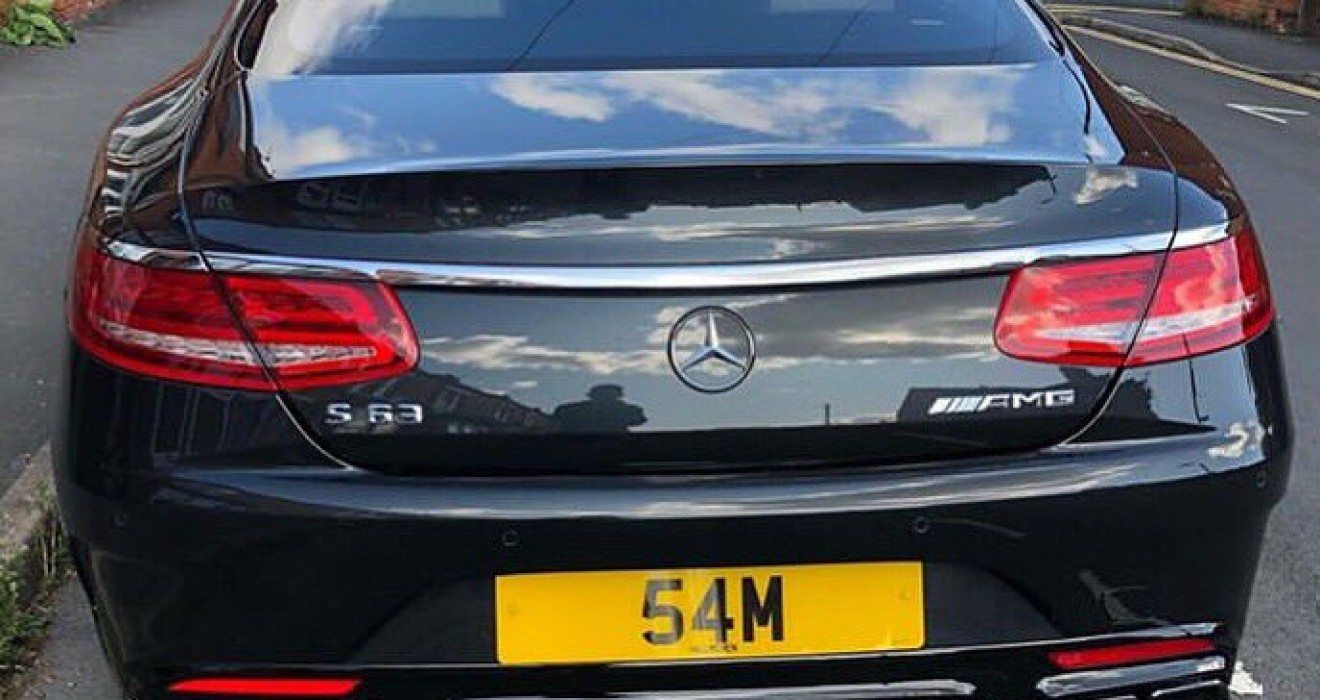
In South Africa, private number plates (often referred to as personalised plates) have long been associated with status, creativity, and individuality. But in the United Kingdom, the world of private number plates is an entirely different universe — one governed by strict regulations, steep valuations, and even investment potential. For South Africans considering importing vehicles, moving to the UK, or simply curious about how things work abroad, there’s a lot to learn from the UK’s mature and highly regulated private plate system.
1. Private Plates in the UK: A Regulated Asset
In South Africa, personalised plates are typically administered by provincial authorities like eNaTIS and can vary in cost and regulation depending on the region. In the UK, however, private number plates are administered nationally through the Driver and Vehicle Licensing Agency (DVLA).
The DVLA not only regulates number plates — it actively sells them through auctions and fixed-price sales. Every registration number is recorded on the DVLA database, making the ownership and transfer process streamlined and official.
What South Africans can learn:
Centralised control creates transparency and resale value. A nationally regulated system ensures greater consistency, easier ownership transfers, and a market with predictable rules. This makes private plates in the UK not just a novelty — but a legitimate asset.
2. The UK’s Number Plate System: What Do the Formats Mean?
Understanding how number plates are formatted is essential before choosing a private plate in the UK. The standard format is currently “AB12 CDE” — where:
- The first two letters denote the region
- The two digits represent the year (e.g., “25” for March–August 2025, “75” for September 2025–February 2026)
- The final three letters are random
Private plates deviate from this format — but only within legal constraints. The UK system offers several types of plates:
- Dateless plates: No year indicator (e.g., “1 ABC”)
- Prefix plates: Start with a letter indicating year (e.g., “A123 XYZ”)
- Suffix plates: End with a year indicator (e.g., “XYZ 123A”)
- Current-style plates: Mimic modern formats with variation (e.g., “AB12 XYZ”)
South Africans are often used to highly flexible formats (e.g., “CA 1” for Cape Town). In the UK, your custom plate must not make a vehicle appear newer than it is — a rule unfamiliar to most South Africans.
What South Africans can learn:
Plates are treated as official identifiers with strict format rules, and flaunting them can result in fines or removal. In the UK, legality takes priority over creativity.
3. Private Plates as Investments
South Africans typically see private plates as a form of self-expression. While this is also true in the UK, there is an additional perspective: investment. Certain plates in the UK have sold for staggering amounts. For instance:
- “25 O” sold for £518,000
- “F 1” was valued at over £10 million
Scarcity, memorability, and demand drive the value. Short plates (like “M1” or “R5”) and those that spell names or brands (like “JON 1” or “BMW 1”) are highly desirable.
What South Africans can learn:
Private number plates can appreciate in value. In the UK, they are traded on marketplaces, at auctions, and by brokers. It’s not just vanity — it’s a niche but real asset class.
4. Transfer and Retention: Holding Onto a Plate Without a Car
In South Africa, personalised plates are typically assigned directly to a vehicle, and while they can be transferred, the process isn’t always seamless.
In the UK, private plates can be put on retention, meaning you can own the rights to a number plate without assigning it to a vehicle. You simply pay a retention fee and can later assign it to a new car.
What South Africans can learn:
Separation of ownership and vehicle opens flexibility. This allows plates to be stored, gifted, sold, or passed down like other valuables.
5. Enforcement and Display Rules Are Strict
One major culture shock for South Africans is how seriously the UK takes the display of number plates. The font, spacing, color, and reflective material are all tightly regulated. For example:
- All plates must use the Charles Wright font
- Yellow rear plates and white front plates are mandatory
- Misplaced characters or novelty fonts can lead to fines or MOT test failures
In South Africa, drivers often modify their plates for aesthetic reasons. In the UK, this could be considered a criminal offense.
What South Africans can learn:
Don’t mess with plate legality. In the UK, what might be a harmless tweak in South Africa could lead to fines, penalty points, or failed vehicle inspections.
6. Buying a Plate in the UK: Multiple Options
Unlike South Africa’s mostly manual or broker-based processes, the UK has a bustling digital marketplace for number plates:
- DVLA Personalised Registrations: The government’s own platform for new and resale plates
- Private dealers: Companies like Regtransfers or Plates4Less specialise in selling plates
- Auctions: DVLA auctions offer rare or one-off plates to the highest bidder
What South Africans can learn:
Buying and selling plates is an established marketplace. It’s easy to compare prices, research meanings, and complete the purchase online.
7. Importing a Car to the UK? Mind the Plates
If you’re a South African moving to the UK and importing your car, your vehicle must be registered with the DVLA and issued UK-compliant plates. Your SA plate cannot be used legally on UK roads.
However, you can apply for a personalised plate when registering your imported vehicle, giving you a chance to retain a piece of identity or even match your SA plate creatively — as long as it complies with UK rules.
What South Africans can learn:
Vehicle imports require fresh registration and UK plates, but personalisation is possible during the process — just follow the DVLA guidelines.
Final Thoughts
South Africans can take away several key lessons from how private number plates work in the UK:
- They are nationally regulated and treated as assets
- The system balances personalisation with strict legal structure
- Private plates are tradeable, retainable, and investment-worthy
- Enforcement and format compliance are non-negotiable
For anyone moving between the two countries or simply fascinated by car culture, understanding the differences is not just interesting — it’s essential. The UK model shows how number plates can evolve from novelty items into legitimate identifiers and investment tools, offering both inspiration and cautionary tales for motorists around the world.