



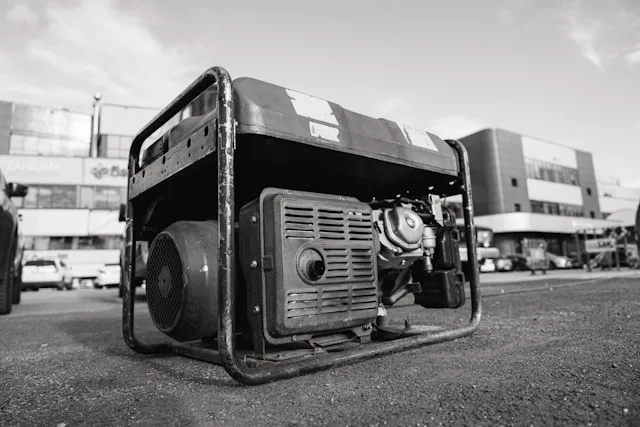
When the power goes out, a generator can be a lifesaver, keeping your fridge cold, your lights on, and essential devices running.
But as helpful as generators are, using them the wrong way can be dangerous. Carbon monoxide poisoning, electrical shocks, and fire risks are real concerns if safety steps aren’t followed.
This guide will walk you through the essential safety practices for running a generator during outages. You’ll learn why safety matters, how to set up your generator properly, and what precautions to take so your backup power works without putting your family at risk.
Why Generator Safety Matters
Generators supply reliable power in emergencies, but they can also become a serious hazard if not used correctly. Every year, thousands of people end up in the hospital due to carbon monoxide exposure from running a generator indoors or too close to their home. Because CO is odorless and invisible, it can overwhelm a household before anyone realizes there’s a problem.
Another major risk is electrocution. Plugging a generator directly into a wall outlet, a practice called backfeeding, can send power back through utility lines and endanger both your family and utility workers. Even using damaged cords or improper connections can result in shocks and equipment damage.
Fire hazards are also a concern. Refueling a hot generator or storing gasoline improperly can quickly lead to dangerous situations. Generators that are overloaded or poorly maintained may also overheat, creating fire risks.
According to PowerElectricHub, many accidents happen because people place generators in enclosed spaces or connect them incorrectly.
This makes following safety basics non-negotiable every time you run a generator. Taking the right steps ensures your generator provides peace of mind rather than added danger.
Setting Up Your Generator Safely
Proper setup is the first step to safe generator use. Before turning on your unit, make sure it’s placed correctly, ventilated properly, and grounded to reduce electrical risks.
1. Choose the Right Location
Always place your generator outdoors, at least 20 feet away from windows, doors, and vents. A flat, stable surface helps prevent tipping or fuel leaks. If it’s raining, use a specially designed generator tent or canopy to keep it dry without blocking airflow.
Never put a generator inside a garage, basement, or shed, even if the doors or windows are open, as this traps exhaust fumes and increases CO risk.
2. Use Proper Ventilation
Good airflow is essential. Generators release carbon monoxide as they burn fuel, and without proper ventilation, this deadly gas can build up quickly.
Install CO detectors inside your home for an extra layer of protection. Place the generator so exhaust fumes are directed away from your living space and neighbors’ homes.
3. Ground Your Generator
Grounding your generator reduces the risk of electrical shock. Some portable generators are already grounded, but others require you to connect them to a ground rod. Check your manufacturer’s instructions to see what your model needs.
Proper grounding also helps protect connected appliances from surges or electrical faults, especially when using extension cords or powering sensitive electronics.
Safe Fuel Handling
Fuel is the lifeblood of most generators, but it’s also one of the biggest safety concerns. Mishandling gasoline, diesel, or propane can lead to fires, explosions, or toxic exposure.
By storing, refueling, and choosing your fuel properly, you can greatly reduce these risks.
1. Store Fuel Properly
Always keep fuel in approved containers designed for gasoline, diesel, or propane. Store these containers in a cool, dry, and well-ventilated area, away from living spaces and ignition sources like furnaces, water heaters, or open flames.
Never store fuel in glass bottles or household containers, which can break or leak. If you keep propane tanks, ensure they’re upright and outside to avoid dangerous gas buildup.
2. Refuel With Caution
Never refuel a running or hot generator. Shut it down and allow it to cool for at least 10–15 minutes before adding fuel.
Gasoline spilled on hot engine parts can ignite instantly, creating a fire hazard. Use a funnel to avoid spills, and wipe up any drips right away. If possible, refuel during the day with proper lighting to avoid accidents in the dark.
3. Know Your Fuel Options
Generators run on different fuel types, and each has its own safety considerations. Gasoline is easy to find but has a short shelf life and is highly flammable. Diesel lasts longer in storage but produces more exhaust. Propane burns cleaner and stores well, though tanks are bulky.
Natural gas, used for standby generators, offers a continuous supply but requires a fixed gas line. Dual-fuel or tri-fuel models give you flexibility during emergencies, letting you switch depending on what’s available.
Connecting Your Generator to Your Home
How you connect your generator to your home makes a huge difference in both safety and performance. Using the wrong setup can cause electrocution, fires, or even damage to your appliances. These best practices will keep your backup power safe and reliable.
1. Use Heavy-Duty Extension Cords
If you’re plugging appliances directly into the generator, always use heavy-duty, outdoor-rated extension cords. The cord should match or exceed the wattage load of the appliance to avoid overheating.
Look for cords with three prongs and thick insulation for durability. Before each use, check for cracks, fraying, or exposed wires; damaged cords can cause shocks or fires.
2. Avoid Backfeeding
One of the most dangerous mistakes is plugging a generator into a wall outlet to try and power the whole house, a practice called backfeeding. This sends electricity back into the utility lines, creating a serious electrocution risk for utility workers and neighbors.
Backfeeding can also overload your generator and damage household wiring. Never attempt this shortcut; it’s unsafe and often illegal.
3. Install a Transfer Switch
The safest way to connect a generator to your home is through a transfer switch. This device isolates your home from the utility grid, preventing backfeeding and allowing you to control which circuits get power.
Transfer switches can be manual or automatic and should always be installed by a licensed electrician. While it adds to the initial cost, a transfer switch makes operating your generator much safer and more convenient during outages.
Operating Tips During an Outage
Once your generator is running, following safe operating practices will keep it efficient and reduce risks. A few small habits can prevent damage to your appliances and extend the life of your generator.
- Test regularly before emergencies – Run your generator for a short period each month so you know it’s ready when an outage hits. This also keeps fuel from going stale and helps you spot maintenance issues early.
- Don’t overload the generator – Only power essential appliances within the generator’s wattage limit. Overloading can cause overheating, equipment failure, or even fires.
- Rotate appliances if needed – If your generator can’t handle everything at once, run critical devices like the fridge and freezer first, then switch to lights or small appliances. This ensures all essentials get powered without straining the generator.
- Keep children and pets away – Generators get hot and release harmful exhaust. Set up a safe boundary so kids and pets don’t wander too close while it’s running.
- Monitor fuel and oil levels – Check fluid levels during extended outages to avoid sudden shutdowns. Top up oil and use fuel stabilizers if needed.
These tips work best when you’ve already focused on choosing the right generator for your home. A properly sized and well-maintained unit will not only power your essentials but also operate more safely during emergencies.
Conclusion
A generator can be really helpful during power outages, but only if it’s used safely. From setting it up in the right location with proper ventilation to handling fuel carefully and connecting it correctly, every step matters.
Running your generator within its limits, keeping children and pets away, and staying on top of maintenance will help you avoid risks like carbon monoxide poisoning, electrical hazards, and fires.