


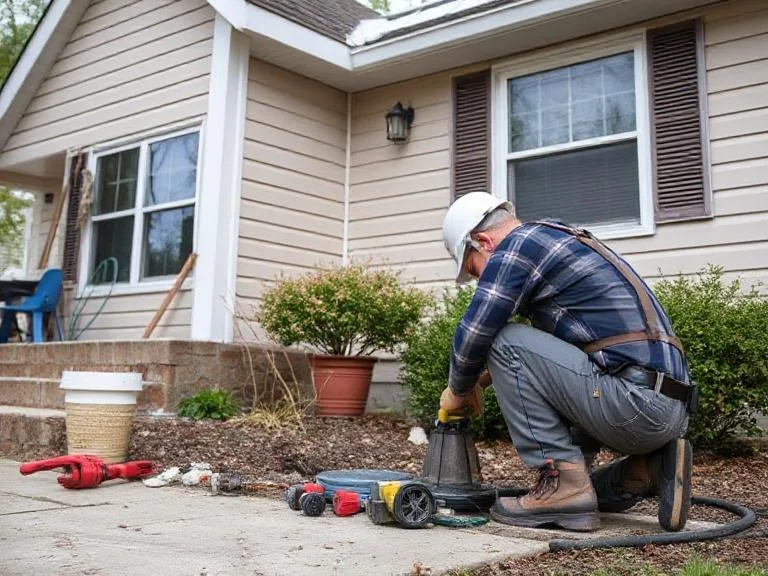
As a homeowner, you have obligations, and one of the most important yet sometimes disregarded is preventive home maintenance. Although that may seem unnecessary cost, purchasing routine maintenance, minor repairs, and inspections is a wise financial move. In addition to keeping your house in good shape, preventative measures can also save you money on future unforeseen problems.
Try detecting a little loss in the eaves prior to it results in water damage to your walls, ceilings, and carpets, or seeing the first indications of a pest problem before it takes over your house. These are just a few instances that demonstrate how proactively addressing problems can ultimately result in cost savings of countless dollars.
The True Cost of Delayed Repairs
Many homeowners put off maintenance because it takes too long, is expensive, or isn’t urgently needed. But whatever begins as a little problem might suddenly become very serious. Although a blocked gutter may not seem like much, it can eventually cause water damage and even jeopardize your home’s foundation. It is far more costly to repair structural damage than to arrange for routine gutter inspections.
HVAC systems are no exception. Enduring odd sounds or neglecting yearly maintenance can cause the system to fail, necessitating a costly substitute. In addition to extending the service life of your systems, routine servicing keeps them operating effectively and lowers your energy costs.
Long-Term Financial Benefits
Despite potential short-term costs, routine maintenance has indisputable over time savings. Typical preventive care consist of:
- Seasonal inspections: Checking for wear and tear, leaks, or cracks.
- Appliance servicing: Ensuring everything from your heater to your fridge runs efficiently.
- Pest control assessments: Spotting early signs of infestation.
- Plumbing and electrical checks: Identifying leaks or wiring issues before they become hazardous.
They also increase house worth, improve energy use , and reduce expenses for urgent repairs. Clean properties frequently fetch a greater selling price and require less haggling.
Health and Safety Matters
Regular upkeep saves cash but also makes living spaces healthier and more secure. Mold caused by concealed water leaks, frayed wiring, or unclean HVAC filters can pose serious health dangers. By planning checks and taking care of problems as soon as they arise, you safeguard not just your investment but also the welfare of your loved ones.
Peace of Mind
One might feel more at ease realizing that your house is regularly looked after. You’re not always concerned about expensive repairs or unplanned malfunctions. Instead, you feel safe knowing you’re actively maintaining your home. One of the primary motives why homeowners choose preventative care is the psychological benefit, which is more challenging to measure.
Environmental Impact
An additional benefit of preventative home care is the decreased economic effect. Properly maintained devices use less energy, produce fewer pollutants, and produce less waste. Small changes, like properly sealed windows or energy-efficient boilers, may significantly impact the environment and save electricity costs.
Conclusion
Maintaining your home preventively is an investment in your future, not merely a chore to cross off your to-do list. By preventing expensive fixes, enhancing energy use, and raising your house’s current value, what you invest now on regular inspections and minor repairs may save you a few thousand dollars later. Parents should adopt a proactive approach to house care rather than responding to issues as they arise. This choice will have long-term material, mental, and social advantages.