Leaking shower doors are one of the most common frustrations homeowners face in the bathroom.
Not only do they cause puddles on the floor, but they also increase the risk of slips and damage to flooring over time.
One of the simplest and most effective ways to solve this problem is by replacing or repairing the PVC shower door seal.
This small strip plays a big role in keeping water inside the shower where it belongs.
Understanding how it works, why it fails, and how to fix it can save you money and stress.
What is a Shower Door Seal?
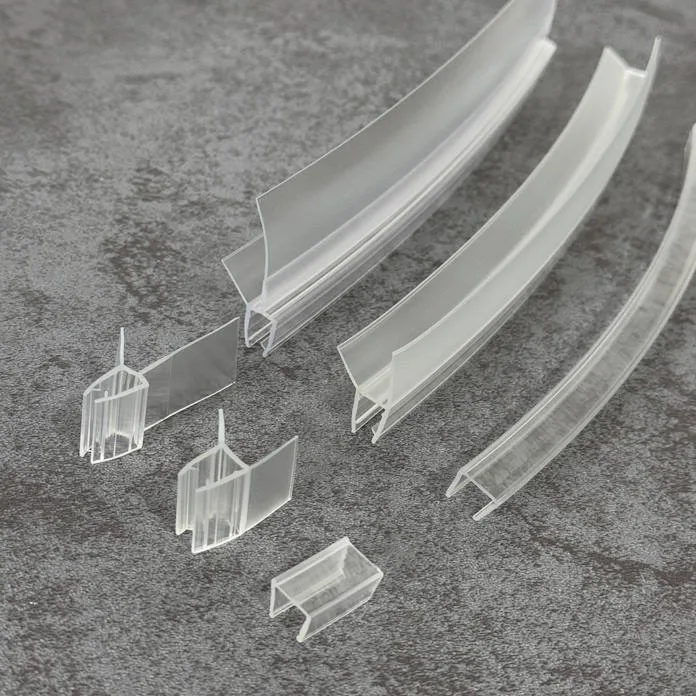
A shower door seal is a flexible strip of rubber, PVC, or plastic that attaches to the edge or bottom of a shower door. Its main purpose is to block water from leaking out when you are taking a shower. Seals are usually transparent or lightly frosted, so they blend in with the glass door without affecting the look of your bathroom.
In most UK bathrooms, shower door seals are fitted along sliding doors, hinged doors, or fixed glass panels. Over time, these seals wear down, harden, or crack. When that happens, water escapes and creates messy bathroom floors.
Why Do Shower Door Seals Fail?
There are several reasons why a shower door seal might stop doing its job. The most common issue is wear and tear. Because the seal is constantly exposed to water, soap, and cleaning chemicals, the material gradually breaks down.
Another reason is poor installation. If the seal was cut too short or not fitted properly, even a new strip will not prevent leaks. Sometimes, seals also fail because of mineral buildup. Hard water, which is common in many UK regions, leaves deposits that weaken the flexibility of the material.
Temperature changes in the bathroom can also make the plastic stiff. Once a seal loses its flexibility, it cannot create the tight barrier needed to stop water.
Signs That Your Shower Door Seal Needs Replacing
The most obvious sign is water pooling outside the shower after use. However, there are other indicators as well. If you notice gaps between the glass and the seal, or if the seal looks brittle and cracked, it is time for a replacement.
Another sign is a whistling sound when you open or close the door. This often means the seal has become loose or is no longer fitted snugly. Mould or mildew growth along the bottom of the shower door is also a warning sign, as trapped moisture usually gathers where the seal has failed.
Choosing the Right Replacement Seal
When it comes to buying a new shower door seal, it is important to get the correct type and size. Seals come in many profiles, such as straight strips, U-shaped channels, and seals with drip flanges. The type you need depends on whether your shower door swings, slides, or is fixed.
To avoid mistakes, measure both the glass thickness and the gap size under or around the door. Most UK suppliers offer seals for 4mm, 6mm, 8mm, or 10mm glass. Getting the wrong size will either make the seal too tight to fit or too loose to stop leaks.
How to Replace a Shower Door Seal
Replacing a seal is not a complicated task. Start by carefully removing the old strip. Most seals simply slide off, though some may require a little pressure to loosen. Clean the glass edge with warm soapy water to remove any dirt or limescale. Allow it to dry completely.
Next, take the new seal and push or slide it into place. Make sure it fits evenly along the glass without bending or leaving gaps. If it is too long, trim it with scissors or a sharp blade. Once fitted, test the door by running water inside the shower. If there are no leaks, the job is complete.
Preventing Future Leaks
To extend the life of your shower door seal, regular cleaning is essential. Avoid harsh chemicals, as they can dry out the plastic. Instead, use mild bathroom cleaners or vinegar and water. Wiping down the seal after each shower will also reduce mineral buildup.
Checking the condition of your seal every few months helps prevent surprise leaks. It is better to replace a worn seal early than to deal with water damage to your bathroom floor.
Benefits of Fixing Leaks Quickly
A leaking shower may seem like a minor annoyance, but it can cause bigger problems if ignored. Constant water exposure damages grout, tiles, and even wooden flooring. It also increases humidity, leading to mold growth.
By fixing leaks quickly with a new shower door seal, you maintain the comfort, safety, and cleanliness of your bathroom. It is a small investment that protects your home from costly repairs.
Final Thoughts
For UK homeowners, a leaking shower door doesn’t mean replacing the whole enclosure. In most cases, it’s just a worn-out seal. By replacing it with the right size and type, you restore comfort and safety without breaking the bank.
If you are looking for reliable solutions, SIMBA, Inc. is a trusted UK shower door seal supplier, offering high-quality replacement seals that fit a wide range of glass doors. Explore our range here → UK Shower Door Seals.