
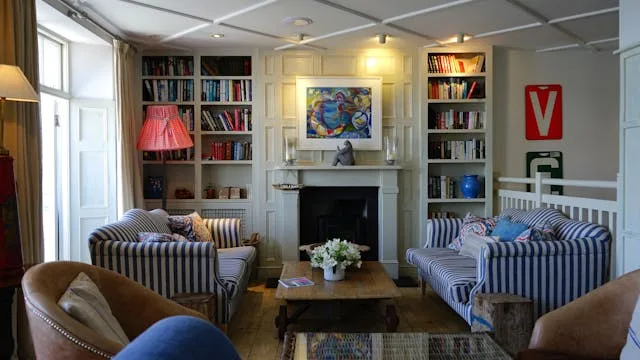
A softer, earth-toned space feels calm and welcoming. With just a few simple updates—no major renovations needed—any room can reflect the comfort of nature. Earthy design focuses on natural materials, warm colors, and textured finishes. These small changes help create a grounded, peaceful atmosphere in any setting.
1. Choose Wall Finishes That Add Warmth and Depth
Since walls cover most of any space, altering their color or texture makes a significant change. Earthy tones like clay, beige, or moss green create gentle, peaceful environments. JH wall lime wash paint Offers walls an aged, natural look with soft texture, making it a perfect choice for adding warmth and depth. It reflects softly and doesn’t seem too flat; hence, it performs excellently in settings with plenty of light. Textured finishes like clay plaster provide walls with a soft, uneven surface that feels cozy for even more depth. These choices make rooms seem lived-in and calm without being dark or heavy, and they outperform smooth, cold paint.
2. Make Use of Fabric
That Feels and Looks Soft fabrics transform the vibe of a space right away. By sight and touch, cotton, linen, wool, and velvet soften the space. Pillows, blankets, and rugs made from these fabrics help to reduce echo and add fullness to empty areas without creating clutter. Soft fabric curtains can help filter strong light and soften sharp edges around windows. Choosing earthy tones like olive, milk, or rust accentuates the warmth. Combining a few patterns—such as checks or stripes—allows variation without overwhelming the space. These fabric tweaks enable a space to feel calm and secure all year round.
3. Select Lighting That Glows Naturally
Lighting affects everything else’s appearance. Warm-toned bulbs provide a gentle light more in line with nature than chilly white ones. Lamps stacked at several heights—floor, table, and wall lamp—softly illuminated the space. The arrangement creates an even-looking space and eliminates strong shadows. Soft lampshades and frosted lights also help balance intense lighting. A modest light or wall sconce may transform a simple location into a comfortable space in dark corners or beside walls. Particularly when it accentuates natural colors and textures, the correct lighting at night will help a place seem more grounded and serene.
4. Allow Natural Resources to Lead.
Using actual objects brings nature to life. The texture and tone of wood, stone, rattan, and clay all feel earthy. Without drawing too much attention, a stone bowl, a wooden side table, or woven baskets give subtle appeal. Natural finishes keep looking and make rooms feel settled unlike polished or glossy objects. Variations in wood grain, stone edges, and woven threads provide not harsh but more subdued diversity. These materials complement warm lighting and soft textiles and work in both new and ancient houses. Even small objects like trays or coasters can support this design and ground up a room.
5. Choose Relaxed, Easygoing Shapes
Rigid lines and sharp edges may chill a place. Rounded forms alter that. Round mirrors, curved couches, and arched entrances create a sense of tenderness in space. Little adjustments like changing a square table for a round one or selecting an oval rug have a tremendous impact. These forms enable the space to flow more naturally rather than conflict with the eye. On shelves, borders, or décor, rounded corners help to ease stress and prevent excessively rigid design. Soft contours help a place seem simple and cozy when combined with earthy hues and natural materials.
6. Allow In Fresh Air and Natural Light
Natural light and excellent ventilation give a room life. Opening windows helps clear stale scents and moves air through. Sunlight accentuates the actual colors seen in furniture, upholstery, and walls. Pulling back heavy drapes or simply curtains helps keep light flowing. Furthermore, better than artificial light is natural light, showcasing textures in walls or wood grain. Light-filtering shades perform better than blackout ones if privacy is a concern. Maintaining clean and clear windows lets the light enter the space from farther distances. People feel more alert in fresh air and sunshine, which also enhances the peaceful, earthy attitude.
7. Keep Decorations Simple and Practical
Simple objects with a function help maintain the area peaceful and open. Daily use items include handcrafted bowls, wooden trays, or porcelain plates that may accentuate. Selecting fewer, well-made objects helps to clear clutter and makes every piece shine. Soft colors or textured objects help accentuate the earthy aspect without adding noise. Using open shelves with a few beloved items, books, or framed images strikes harmony. Every object has space around it, which lends the room a considered and calm atmosphere. Simple décor implies choosing what feels and works best for the area, not emptiness.
8. Use Scent to Finish the Emotion
Scent alters the impression of a room without affecting its appearance. The earthy mood is enhanced by warm scents like herbs, vanilla, or cedar. This effect is quietly long-lasting from candles, incense, or oil diffusers. Diffusers placed close to windows or light sources assist in more evenly distributing the scent. Earthy smells remain clean and delicate, unlike strong fragrances. Selecting one smell for every room ground the place. The scent provides comfort even amid silence as it remains constant. This minute element ties everything else together and gives the area a full vibe.
Conclusion
One does not need major renovations to make a place seem softer and more earthy. Any place will seem peaceful and cozy with the correct paint, fabric, light, and natural accents. These small changes, taken together, produce an environment that seems whole and balanced, and daily enjoyment is simple.