Woodside Sanctuary, a home for people with profound intellectual and physical disabilities, is projecting an operating shortfall of approximately R4 million before fundraising for the year ending 31 March 2027, highlighting the financial challenge of sustaining lifelong specialist care.
The Johannesburg non-profit expects operating expenses of almost R23 million, excluding fundraising costs, against income of slightly under R19 million before fundraising. Its annual general meeting in October examined staffing, compliance, maintenance, food, medical and utility costs, alongside governance and infrastructure resilience.
The discussion comes ahead of South Africa’s Disability Rights Awareness Month (3 November to 3 December). For Woodside, it raises a question: how does the country sustain care for people whose needs do not diminish when budgets tighten, infrastructure fails or funding cycles end?
Woodside supports 88 people, including 86 in full-time residential care. Its services include round-the-clock nursing, physiotherapy, occupational therapy, social work, specialised learning support, nutrition and medical oversight for people with profound intellectual and physical disabilities.
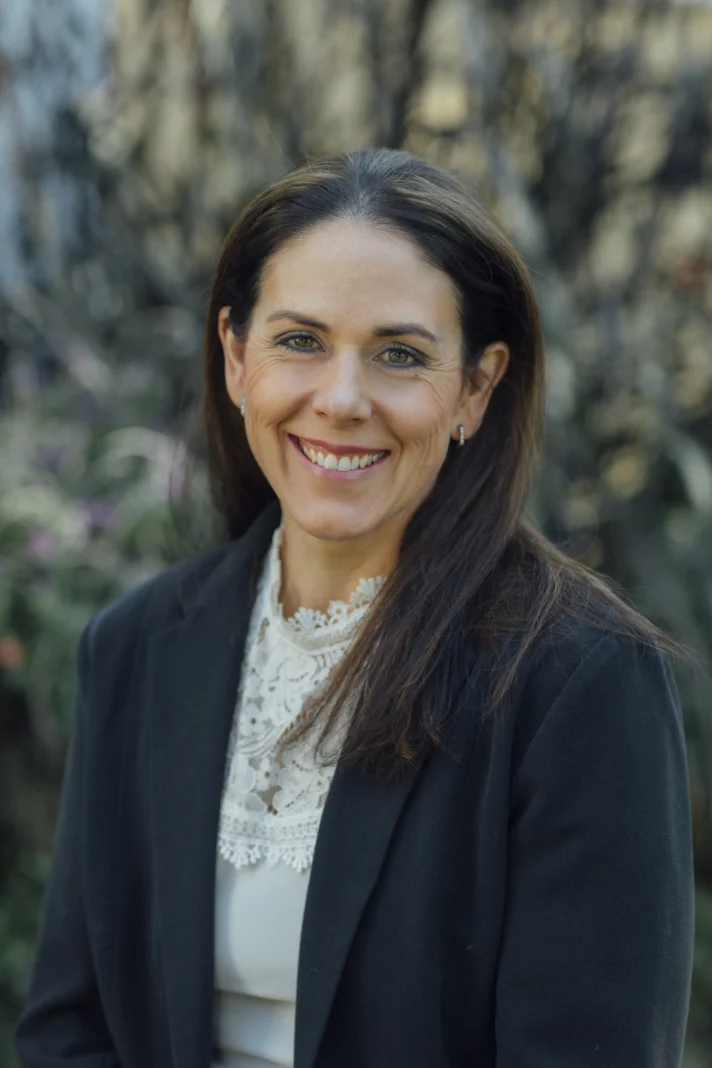
“For some, inclusion will never be defined by employment or independence,” says Kirsten Williams, General Manager of Woodside Sanctuary, who has spent 17 years working in specialist care. “It will mean receiving consistent, appropriate care and being treated with dignity throughout their lives.”
Williams says South Africa’s disability inclusion agenda must also recognise those who need lifelong care, alongside its focus on employment, accessibility, education and independence. Understanding demand and the capacity to meet it is part of that challenge.
Statistics South Africa’s General Household Survey 2025 estimated that approximately 3.03 million people aged five and older, or 5.2% of that population, met its definition of disability based on functional difficulties.
Those figures alone do not establish how many people need intensive, lifelong specialist care, whether sufficient services exist or whether those services are financially sustainable. These questions matter for planning services and funding them.
Residents continue to need nursing, meals, medication, therapy and support through municipal interruptions and funding uncertainty. That is the reality of providing lifelong care: the need is permanent, but a significant part of the funding can be uncertain.
“Are the funding arrangements available to specialist care providers realistic about what it actually costs to meet the standards society expects of them?” asks Williams.
Protecting continuity of care
Woodside’s response extends beyond fundraising. It has completed the first phase of its solar project, with further phases planned to reduce reliance on the national grid.
Water security is another priority for an organisation using approximately 41,000 to 51,000 litres a day. An existing borehole has been extended to a depth of 89 metres, strengthening Woodside’s current groundwater supply, with additional storage also planned to improve the reliability of its water supply.
For a residential care organisation operating around the clock, these investments are intended to reduce operational risk, contain costs and protect continuity of care.
What sustained corporate support can fund
The implications extend to corporate social investment. Visible projects and once-off contributions have a role, but essential services also depend on skilled people, reliable utilities, maintenance, technology, governance and predictable funding.
“A new building still needs to be staffed. Equipment still need to be maintained. Residents still need care every day,” says Williams.
Businesses invest in resilience to protect their own operations. Applying that thinking to essential social services means considering what will keep them functioning five or ten years from now, as well as what can be funded today.
Williams argues that South Africa must pursue employment opportunities, accessibility and greater independence while recognising that some people will always need specialist care. Ensuring that care is available tomorrow depends on decisions made today.