



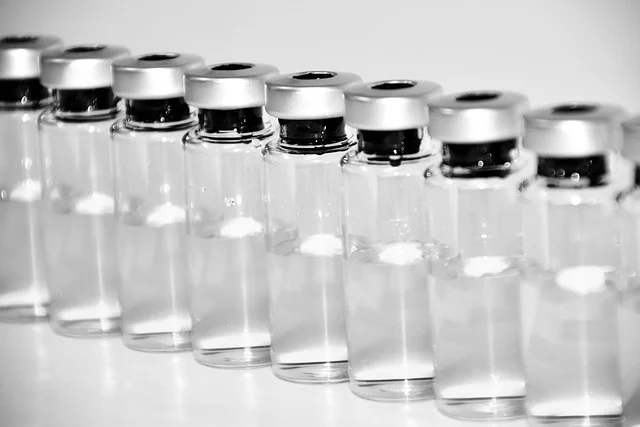
Scroll through social media or chat to people at your local gym, and you’ve probably heard about peptides. From BPC-157 for nagging sports injuries to Melanotan for a quick tan or growth-hormone boosters for anti-ageing, these compounds are being pitched online as the next big wellness shortcut.
With sleek websites offering nationwide courier delivery, pre-filled injectable pens, and lab-tested certificates, it is easy to assume these products are legal and safe to buy. In South Africa, however, the reality is very different.
Peptides Are Regulated as Medicines, Not Supplements
According to the South African Health Products Regulatory Authority (SAHPRA), therapeutic peptides are not health supplements—they are strictly regulated as medicines under the Medicines and Related Substances Act.
Most therapeutic peptides are classified as Schedule 4 substances, meaning they require a doctor’s prescription and must be registered with SAHPRA before they can be legally sold, advertised, or distributed to the public. While certain registered peptide medications (such as approved GLP-1 treatments for diabetes or weight management) are legal when prescribed by a doctor, popular wellness peptides like BPC-157, TB-500, CJC-1295, Ipamorelin, Semax, and Selank are unregistered in South Africa.
The “Research Use Only” Loophole Doesn’t Protect Consumers
If you look closely at the websites selling these products locally, you will almost always see a disclaimer stating that the vials or pens are “for laboratory research use only and not for human consumption.”
SAHPRA has explicitly warned consumers not to be fooled by this label. Simply slapping a “research only” warning on a product—especially when it is sold alongside insulin syringes, mixing calculators, and nasal sprays—does not make it legal for personal use. In the eyes of South African law, selling or supplying unregistered peptides for human use is illegal.
Why Buying Unregistered Peptides Online Is Risky
Even when an online vendor displays a Certificate of Analysis (COA) claiming high purity, buying unregistered injectables or nasal sprays outside of a licensed pharmacy comes with serious health risks:
- No Guaranteed Sterility: Unapproved products are not made in SAHPRA-inspected pharmaceutical facilities, increasing the risk of bacterial contamination or dangerous impurities.
- Inaccurate Dosing: Without strict regulatory oversight, vials may contain significantly more or less of the active ingredient than advertised.
- Unknown Side Effects: Many trendy peptides lack large-scale human clinical trials, meaning their long-term effects on your organs, hormones, and immune system remain unknown.
- DIY Mixing Hazards: Buying freeze-dried powders to reconstitute at home introduces extra risks of contamination and dosing errors.
How to Access Peptide Therapies Safely
If you are struggling with injury recovery, stubborn weight, or hormone concerns, skipping the doctor to order vials online is a gamble with both your health and the law.
To stay safe:
- Speak to a registered medical practitioner about your symptoms and goals so they can recommend evidence-based, approved treatments.
- Only fill prescriptions at licensed pharmacies, where medications come in sealed, tamper-evident packaging from approved manufacturers.
- Be sceptical of wellness hype on social media, especially when influencers or websites direct you to buy injectable products without a prescription.