



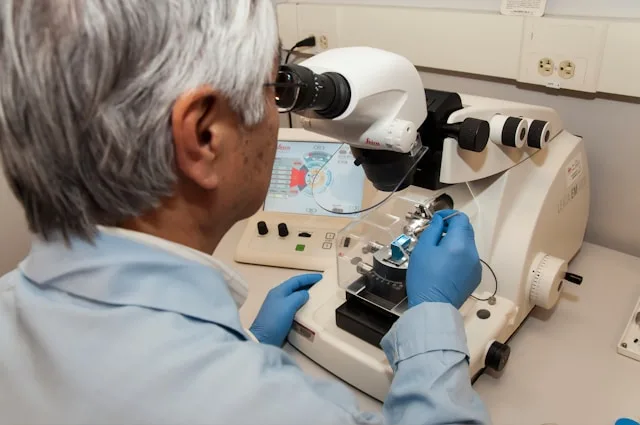
Stem cell research is at the edge of contemporary medicine, where scientists have shown great hope that it brings the brightest possibilities of curing various diseases like spinal cord injury, degenerative diseases, and even some cancers. Stem cells’ ability to replace damaged cells and cure some untreatable diseases aroused the interest of all three target areas: scientists, clinicians, and the populace.
This article is dedicated to the issue of stem cell challenges: their definition, recent advances in the study, demands that still have to be addressed, and what to expect in the future.
What Are Stem Cells?
Stem cells and stem cell therapy refer to the undifferentiated types of cells capable of an astonishing ability to differentiate into several types of cells. They act as a body maintenance system internally and are the replenishment of the other cells, and are important in development, healing, and regeneration.
Stem cell types include:
- Embryonic Stem Cells ( also known as ESCs ): Early-stage embryos produce ESCs, which are pluripotent, which means that they can be developed into any of the body’s cells.
- Adult Stem Cells (ASCs): These are functional stem cells that are taken out of adult bodies and used to make stem cells in the lab. Often abbreviated to ASCs.
- Induced Pluripotent stem cells (iPSCs): These are adult cells modified genetically that cause these cells to behave in a way similar to embryonic stem cells.
Recent Breakthroughs in Stem Cell Research
Over the last ten years, stem cell research has progressed significantly due to the current improvements in cell biology, bioengineering, and the genomic sciences. Researchers found that stem cell injections could reduce the risk of a heart attack or stroke by 50%.
1. Regeneration of Organs and Tissues
Stem cells have been grown in the laboratory successfully and developed into mini-organs or so-called organoids. These are liver, kidney, brain, and intestinal tissues that are being used in research to understand the mechanisms of diseases and to test new drugs.
2. Restoring Vision
Clinical trials involving retinal pigment epithelial (RPE) stem cells have also proven to be effective in the treatment of macular degeneration, which causes a condition leading to blindness.
3. Recovery in the Spinal Cord Injury
In advanced-stage studies, researchers have already implanted stem cells in spinal cord patients with successful recovery of sensation and motor function in the early patients. It is still at an experimental stage, but these treatments are proving progress.
4. Personalized medicine with the use of iPSCs
The possibility to isolate patient-specific iPSC opens the possibility to model the disease in relation to the individual genetic background and to test the drugs on it, which makes patient predictions of safety and efficacy even more accurate.
5. Developments in Gene Editing
The integration of stem cells and gene editing has presented a new prospect of providing a solution to the correction of genetic defects.
Challenges in Stem Cell Research
Although these are encouraging trends, there are still some stem cell challenges that have been hindering the translation of stem cell research into clinical practice on a large scale.
- Ethical and legal issues: Embryonic stem cells promote an ethical debate regarding the utilisation of human embryos in studies.
- Cancerous Growth: Pluripotent stem cells have an unlimited number of divisions. Otherwise, they can develop in the form of teratomas or tumors.
- Immune Rejection: Although one stem cell treatment can be appropriate biologically, the body of a recipient produces an immune response that repels it.
- Technical Limitations: The stem cell culturing and differentiation into functional and similar tissues are technically challenging and costly.
Up to this moment, there have been very limited stem cell therapies, such as those from Swiss Medica, that have been fully approved by the regulatory bodies. There is no standard treatment modality, and most of this treatment is still in experimental stages, and many trials are at their initial stages.
The Future of Stem Cell Research
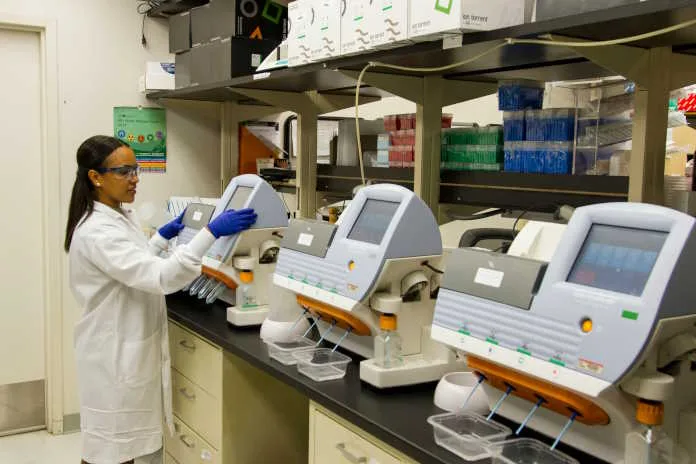
The future of stem cell therapy innovations seems good as technologies advance and people learn. New trends and discoveries are opening the road to even more effective and safer treatment.
1. Regenerative Medicine Practice
We are slowly stepping out of the lab to the clinic. Such cases as Parkinson’s disease, heart failure, and diabetes Type 1 are all the subjects of live trials, as well as some of them being on the verge of the ultimate tests.
2. Three-dimensional Bioprinting and Tissue Engineering
The mixture of stem cells and the 3D printing technology will enable the production of tissue structures in the form of skin grafts, cartilage, and even early models of organs, transforming transplantation.
3. Artificial Intelligence with Stem Cells
The tools are applied in analyzing the large data generated by stem cell experiments, which is improving predictions of cell behavior, better optimization of culture conditions, and accelerating the discovery pipeline utilizing AI.
4. Enhanced Regulatory Framework
The governments and scientific organizations are establishing more transparent, quicker mechanisms of clinical approval, even though the standards of safety and ethics remain high.
5. Complementary Treatment
The combination of stem cells with other therapies, such as biomaterials, gene therapy, and medications, is a possibility that should be explored, which is opening the door to hybrids of therapy.
Conclusion
Stem cell therapy innovations and research are at the forefront of medicine and are thus revolutionary and have the potential to cure and reverse injuries and diseases that were considered irreversible. Nonetheless, issues that need to be addressed by further research, cooperation, and debate exist in the form of technical, ethical, and logistical matters.