



Father’s Day on 21 June will be a celebratory day for many dads – but for men struggling with infertility, it’s a stark reminder of the unfulfilled dream of parenthood.
Male infertility is one of the least discussed aspects of reproductive health, despite evidence that male health factors contribute to 40–50% of infertility cases.
The impact of infertility extends far beyond the doctor’s consulting room. According to the Department of Health, infertility can affect a couple’s psychological, social, and financial well-being. They face higher risks of depression, anxiety, relationship breakdown, intimate partner violence, and social stigma.
JustMoney customer experience manager Sarah Nicholson says Men’s Health Month (June) is a reminder that many couples struggle needlessly due to a lack of information and the perception that infertility is a female issue.
“Understanding the causes of male infertility and treatment options can be life-changing for couples struggling to become parents.”
What is male infertility?
Male infertility is a man’s inability to contribute to conception. Fertility depends on the production of sufficient healthy sperm, the ability of sperm to move efficiently, and the successful delivery of sperm during ejaculation.
If a couple doesn’t conceive after 12 months of unprotected intercourse, or six months if the woman is older than 37 years, it’s advisable to have a basic fertility assessment at a fertility clinic, says Dr Paul le Roux, specialist in reproductive medicine at Cape Fertility.
“Many couples assume that infertility is caused by a medical problem in the female partner and some men are therefore reluctant to get tested. However, once we explain to couples that male factor infertility is common and can be treated successfully, they understand the importance of being tested and proceed to do the necessary testing,” he says.
This includes semen analysis for the male partner, a medical examination and trans-vaginal scan for the woman, blood tests for both partners, and in some cases, extra tests to check the fallopian tubes.
Research points to declining sperm counts globally. A landmark 2017 study published in the journal Human Reproduction Update found a steady 1.4% decline in sperm counts, with an overall decline of 52.4% over a 40-year period. Researchers analysed 185 studies involving 42,935 men in North America, Europe, Australia, and New Zealand.
Local findings indicate a similar trend in South Africa.
“We don’t have statistics on sperm decline specifically over the last few decades in our clinic, but a large proportion of infertile patients have male factor infertility. Approximately 30–40% of all cases have an abnormality on the semen analysis,” says Dr le Roux.
Medical experts identify several possible causes of male infertility:
- Low sperm count. Sperm numbers are below normal levels and, in severe cases, no sperm is produced.
- Poor sperm quality. Sperm may have an abnormal shape or poor movement.
- Enlarged veins within the scrotum affect sperm production and quality.
- Hormonal disorders. Conditions affecting the pituitary gland, thyroid gland, or testosterone production can affect fertility.
- Genetic conditions. Inherited disorders, including chromosomal abnormalities.
- Blockages in the reproductive tract. Caused by previous infections, surgery, or congenital abnormalities.
- Sexually transmitted or other infections affecting the reproductive organs.
- Lifestyle factors. Smoking, excessive alcohol consumption, obesity, drug use, poor diet, chronic stress, and exposure to environmental toxins are all linked to reduced fertility.
Where lifestyle factors are a concern, doctors may recommend stopping smoking, drinking less, losing weight, improving nutrition, exercising regularly, and managing stress.
Medical aid support
Prescribed Minimum Benefits (PMBs) are baseline healthcare benefits that every registered medical scheme must cover, regardless of the plan or option.
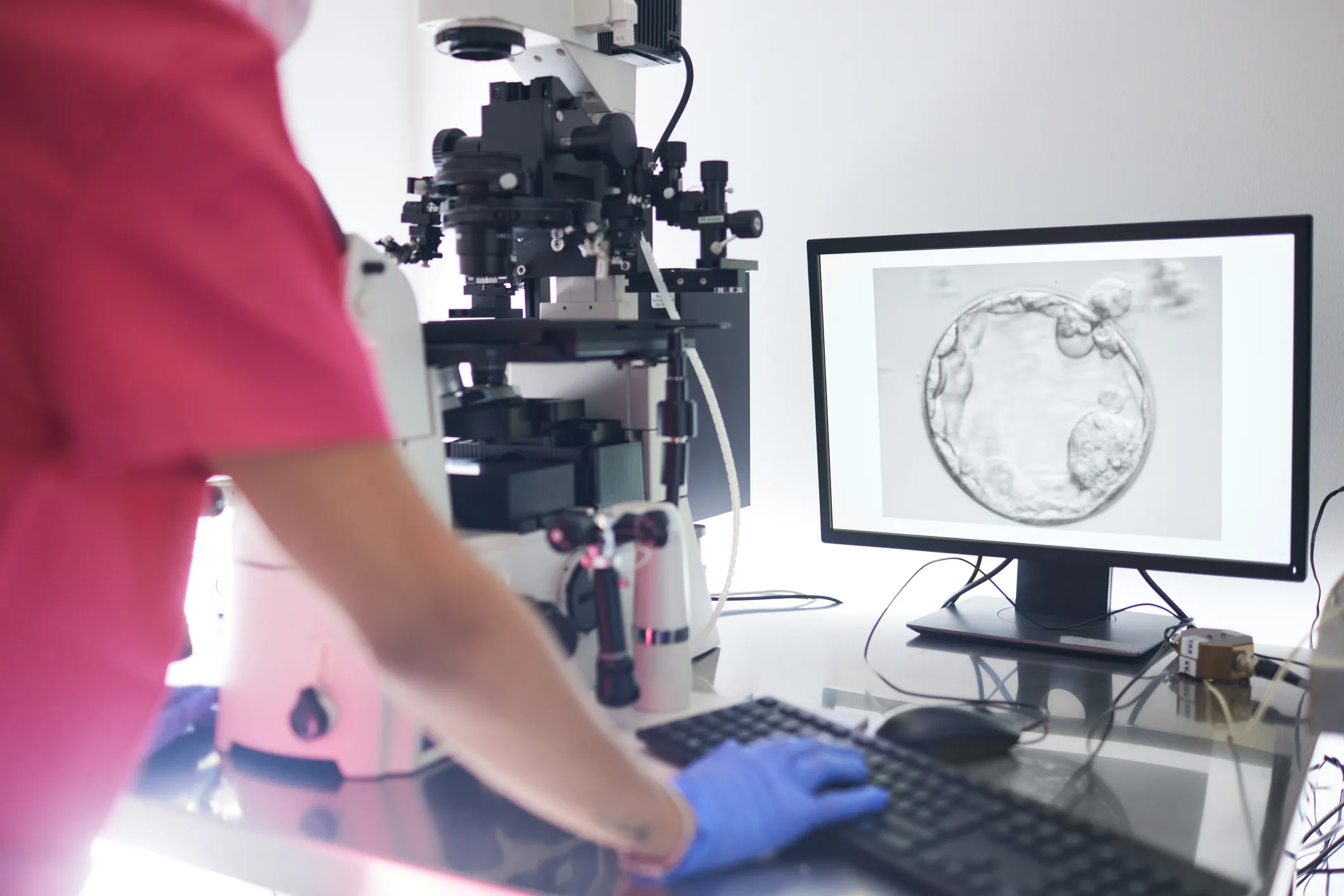
Assisted Reproductive Therapy (ART) involves specialised medical procedures that help improve the chances of conceiving. They include in vitro fertilisation (IVF), frozen embryo transfer, intracytoplasmic sperm injection – where one sperm is injected directly into an egg using a micromanipulation microscope – and intrauterine insemination.
Specialised ART procedures are available under Discovery Health’s Executive Plan and Comprehensive Series. Members on other Discovery Health plans can access infertility assistance.
While ART is not covered under PMBs, infertility is classified as a PMB condition, says Dr Noluthando Nematswerani, chief clinical officer at Discovery Health. “This means we will fund the diagnosis, treatment, and care for infertility as defined by the Council for Medical Schemes.”
PMB cover includes key blood tests, semen analysis, counselling and sexual health advice, diagnostic procedures, assistance with ovulation defects and deficiencies, surgery on the uterus and fallopian tubes, and treatment for local infections.
State support
Several academic hospitals provide IVF and ART in the public sector. Groote Schuur, Tygerberg, and Steve Biko Academic Hospital are active on the National ART Registry. A fourth public ART unit at Universitas Hospital provides fertility services to Free State patients. A fifth unit at Nelson Mandela Academic Hospital opened this year in the Eastern Cape.
Patients must first consult a local GP or a district day hospital to get a formal referral to a provincial reproductive medicine unit.
Public sector ART pricing is means-tested, so patients pay according to their income level and the hospital’s fee schedule. According to online fertility directory Fertility Solutions, costs are as follows:
- Procedure cost at Groote Schuur and Tygerberg is approximately R6,700 per cycle at the subsidised rate. Laboratory and clinical care are subsidised.
- Fertility stimulation medications are not available in state hospitals. Patients must self-fund medications, typically R8,000–R15,000 per IVF cycle.
- Total estimated cost, including medication at a public hospital, is approximately R15,000–R22,000 per cycle, versus R45,000–R120,000 in the private sector.
Given long waiting lists, the public sector may not suit older couples or those requiring complex protocols, donor eggs, or surrogacy, says Nicholson. In such cases, the private sector is more practical, although it is more expensive.
“The encouraging news is that treatment options are available. The key is to seek medical advice early, understand the likely costs, and plan financially. By approaching fertility treatment with realistic expectations and a clear budget, couples can focus their energy on the journey to parenthood rather than worrying about unexpected costs.”
JustMoney is a South African financial services company providing a range of solutions, from loans to insurance, underpinned by the data and coaching individuals need to make good money choices.
JustMoney believes that money is personal, so its support is too. Customers are more than just a number; they are individuals with unique goals and dreams. From securing a loan or protecting what matters, to finally getting a handle on debt, JustMoney provides a personalised experience powered by insights that fit customers’ lives.