


Johannesburg, South Africa – Myopia, commonly known as short-sightedness, is rapidly becoming a global health crisis, with experts predicting that nearly 50% of the world’s population could be affected by 2050. The alarming rise in cases, particularly among children, has prompted urgent warnings from eye care specialists.
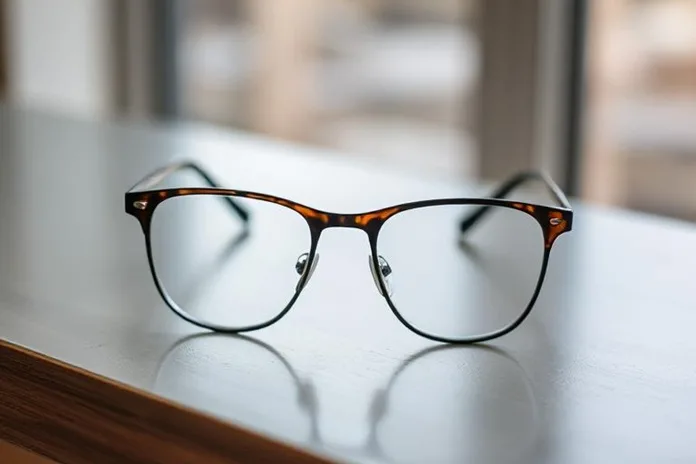
In an interview Dr. Ingred Walters, a member of the Ophthalmological Society of South Africa, highlighted the severity of the issue. “Myopia occurs when the eyeball is slightly elongated, causing light to focus in front of the retina instead of on it,” she explained. “This leads to blurred distance vision, requiring corrective lenses. More concerning, it is linked to serious eye conditions like glaucoma, cataracts, and retinal detachment.”
A Growing Threat to Children
Dr. Walters emphasized that myopia is increasingly affecting young adults and school-aged children. “The risk of myopia progression as they age is very high, along with the potential for severe, vision-threatening complications,” she said.
The surge in cases has been attributed to modern lifestyle changes, particularly excessive screen time and reduced outdoor activity. “Screens are unavoidable in daily life, but unhealthy screen habits are contributing to this epidemic,” Dr. Walters noted. “Children spending prolonged periods on phones or tablets are at higher risk compared to those who engage in outdoor activities.”
How Parents Can Protect Their Children’s Vision
To combat the rising trend, Dr. Walters advised parents to:
-
Limit screen time, especially for toddlers and young children.
-
Encourage outdoor play—at least one hour of natural light exposure daily can help prevent myopia.
-
Monitor for symptoms, such as squinting, sitting too close to screens, or declining school performance.
-
Seek professional eye checks, especially if parents have myopia themselves, as genetics play a significant role.
She also highlighted advancements in treatment, including specialized lenses and medications that can slow myopia progression in diagnosed children.
A Call for Awareness
With myopia rates skyrocketing, health professionals urge governments and schools to implement vision protection strategies. “This isn’t just about needing glasses—it’s about preventing lifelong eye damage,” Dr. Walters stressed.
As the world becomes increasingly digital, balancing technology use with healthy visual habits may be key to curbing what experts now call the myopia epidemic.