When “Busy, but fine” becomes your usual answer to “How are you?”, it may be time to pause. Perhaps you are finishing work later, cancelling plans or telling yourself things will settle down after the next deadline.
October is Mental Health Awareness Month in South Africa, a timely reminder to pay attention to how you are feeling before the final stretch of the year.
“Getting through everything on your list does not necessarily mean you are coping well,” says Integrative Healthcare Practitioner and Doppelherz® SA Advising Pharmacist Dr James Liddell. “It is worth asking what that pace is costing you, particularly if there is little time left for rest or the things you enjoy.”
Understand what burnout means
We often use “burnout” to describe feeling overwhelmed or worn out. The World Health Organization (WHO), however, defines it specifically in relation to chronic workplace stress that has not been successfully managed. It involves exhaustion, feeling increasingly detached from or cynical about work and feeling less effective in your role.¹
“While burnout relates specifically to work, stress can come from many areas of your life,” says Liddell. “It may affect your concentration, sleep, appetite and mood, and you might notice irritability, headaches or stomach discomfort. These symptoms alone do not tell you what is wrong, but if they persist or affect your daily life, speak to a healthcare professional.”
Address the source of the pressure
At work, be specific about what is becoming difficult. Are deadlines clashing? Has your workload grown without additional help? Are you regularly working beyond your agreed hours?
“An excessive workload, long hours or limited support deserve attention,” says Liddell. “A conversation about priorities can be more useful when you can explain what is achievable, where you need help and what needs to be reconsidered.”
Ask your manager which tasks should come first and whether deadlines or responsibilities can be adjusted. If your employer offers an employee assistance programme, you can also find out what support is available through it.
Make wellbeing easier to fit into your day
You do not need an elaborate wellness plan. A proper lunch break, a more consistent bedtime or a walk with a friend can be practical places to start.
“Meals, movement, sleep and connection all have a place in caring for your wellbeing,” says Liddell. “Choose habits that fit your circumstances and that you can maintain, rather than setting yourself another demanding target.”
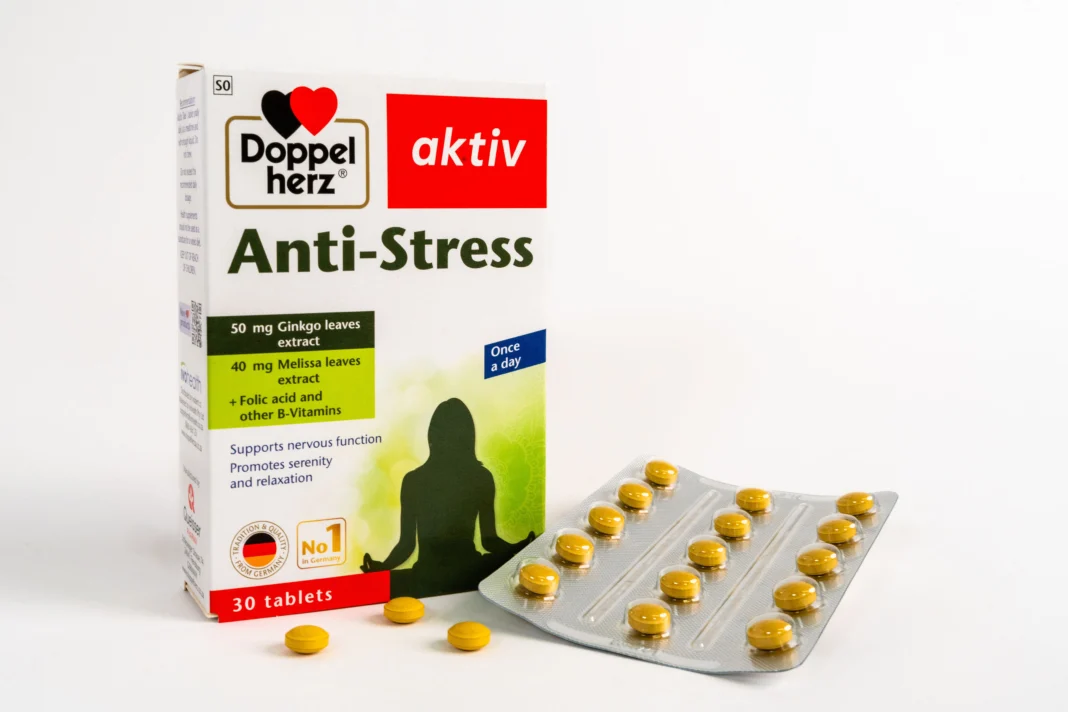
Nutrition belongs in this picture. Alongside a varied diet, the right supplements can make a big difference. One option is Doppelherz® aktiv Anti-Stress, which is formulated to support nervous function and promote relaxation, while another is Doppelherz® aktiv O-Mega Brain, which is positioned for memory, concentration and intellectual fitness.
There is no shame in considering additional nutritional support when it is appropriate for your needs.
Do not put yourself last
“You do not need to wait until you can no longer cope before asking for help. If something has been troubling you, make time for that conversation now. Your wellbeing deserves a place in your diary, even when the rest of it is full,” concludes Liddell.
Doppelherz® aktiv Anti-Stress and Doppelherz® aktiv O-Mega Brain are available at Clicks, local pharmacies and on Ivohealth.co.za for R240 and R575.
https://ivohealth.co.za/product/doppelherz-aktiv-anti-stress/
https://clicks.co.za/doppelherz_aktiv-anti-stress-30-tablets/p/405516
https://clicks.co.za/doppelherz_aktiv-o-mega-brain-60-capsules/p/405517
https://ivohealth.co.za/product/doppelherz-aktiv-o-mega-brain/
Doppelherz® aktiv O-Mega Brain is a complementary medicine, combination product.
Doppelherz® aktiv Anti-Stress is a complementary medicine, combination product.
These unregistered medicines have not been evaluated by SAHPRA for their quality, safety or intended use.