



It’s never been a more exciting – or challenging – time to be young. With rapid shifts in technology that are influencing how we work and live and giving us access to more information than ever before, the future holds promise that’s unlike anything we’ve ever seen before. But it’s also uncertain: the World Economic Forum predicts that 65 % of children currently in primary school will end up in jobs that do not yet exist. In South Africa, this uncertainty is magnified by the fact that unemployment continues to increase. Stats SA found that in the first quarter of 2025, 46,1% of South Africans between the ages of 15 to 24 were unemployed.
From mental health to substance abuse and the pressure of social media, young people face a range of pressures in navigating this uncertain world. In honour of Youth Day on June 16th, how can young people develop the mental and physical stamina they need to face such a fast-changing world? Here are five powerful ways to build resilience in both body and mind:
- Move your body
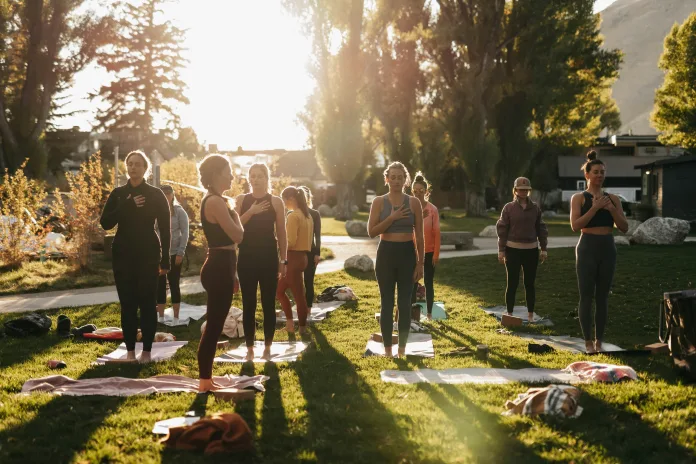
We all know that regular physical activity has a positive impact on our physical health. But it also benefits mental health too – including lowering the risk of depression, improving concentration and lowering stress levels. Moving your body doesn’t have to mean training for an ultramarathon or an Ironman: it could be as simple as taking a brisk walk each day to the shops, from work or your studies, or in the middle of the day as an “exercise snack”. Moving your body doesn’t have to mean a costly gym membership or personal trainer either: free events such as the Parkrun happen nationwide each week, or you could download a free personal training app for a regular home workout.
- Eat for the future you
Nutrition isn’t just a quick fix when you’re hungry: it’s an investment in your future health. Even if you’re young and healthy today, eating overprocessed foods that are high in sugar badly can result in things like obesity, hypertension and type 2 diabetes later on. Take charge of your health now by eating unprocessed foods rather than ready meals or takeaways. This can save you money, too: staples like beans, lentils, fresh fruit and vegetables can save you hundreds of rands on your weekly food bill. “Smart swaps” can also help boost your health: think water or unsweetened rooibos instead of fizzy drinks, or popcorn with salt instead of a bag of chips.
- Guard your mental health
Stress, anxiety and depression aren’t character flaws —they’re serious health issues. In 2023, a poll by UNICEF found that 70 % of 15-24-year-olds needed help with their mental health during the year. When it comes to mental well-being, early action can make all the difference, like creating healthy lifestyle habits on a daily basis. These could be things like going screen-free before bed or silencing non-essential notifications on your phone throughout the day. And if you do find yourself in a stressful situation, simple box breathing or a few “physiological sighs” can help calm the stress response. If you need more support, you’ll be surprised by how many resources are available. If you’re a member of a medical aid, for example, this help could be included as part of your plan. Fedhealth, for instance, gives its members access to the October Health app, which contains a wide range of mental health resources, including sessions hosted by mental health experts, personalised videos and articles, mental health assessment trackers and more.
- Turn Skills Into Side Hustles
Overall well-being includes looking at the health of your finances. Given South Africa’s high unemployment rate, earning extra income through a side hustle is worth considering – even if you’re working full-time or studying at the same time. Whether it’s braiding hair, tutoring, baking or fixing phones, look at how you can offer a service using your interests and skills. If you need to upskill yourself, platforms like Coursera, FutureLearn, and Google Skills for Africa provide free courses in areas such as digital marketing, coding, entrepreneurship, and more. Start small and promote yourself locally, whether it’s a WhatsApp group or a local Facebook group. The younger you start building a financial buffer for yourself, the better off you’ll be in later years.
- Build a circle of support
Your social circle has a significant impact on your health, in both a positive and negative way. Having a solid support network – whether it’s a group of friends or your family – provides a buffer against life’s inevitable pressures. As a rule of thumb, surround yourself with people who uplift and champion you rather than drain you. While digital connections have their place in our busy world, in-person relationships are also meaningful, whether you’re connecting with people through a sports club, at work or while enjoying a hobby.
Today’s youth face an exciting future, but also one that’s uncertain and filled with new challenges that generations before them simply didn’t have to face. By prioritising all aspects of your well-being, including your physical, mental and financial health, you can lay the foundation for a life that’s not just successful but sustainable too. This Youth Day, let’s celebrate the power and potential of our country’s young people. After all, your wellness is your superpower – here’s to owning it.