




World Diabetes Day on 14 November
South Africa’s diabetes epidemic, affecting over 2.3 million working-age adults, or 1 in 16, is not only the country’s leading cause of natural deaths but also a “silent thief” of sight and independence.
Diabetes is a leading cause of vision loss and preventable blindness in South Africa, with vision loss affecting 2 in 10 adults but rising, with 1 in 3 in diabetes patients already showing signs of retinopathy, raising their risk of heart attack, stroke and early death.
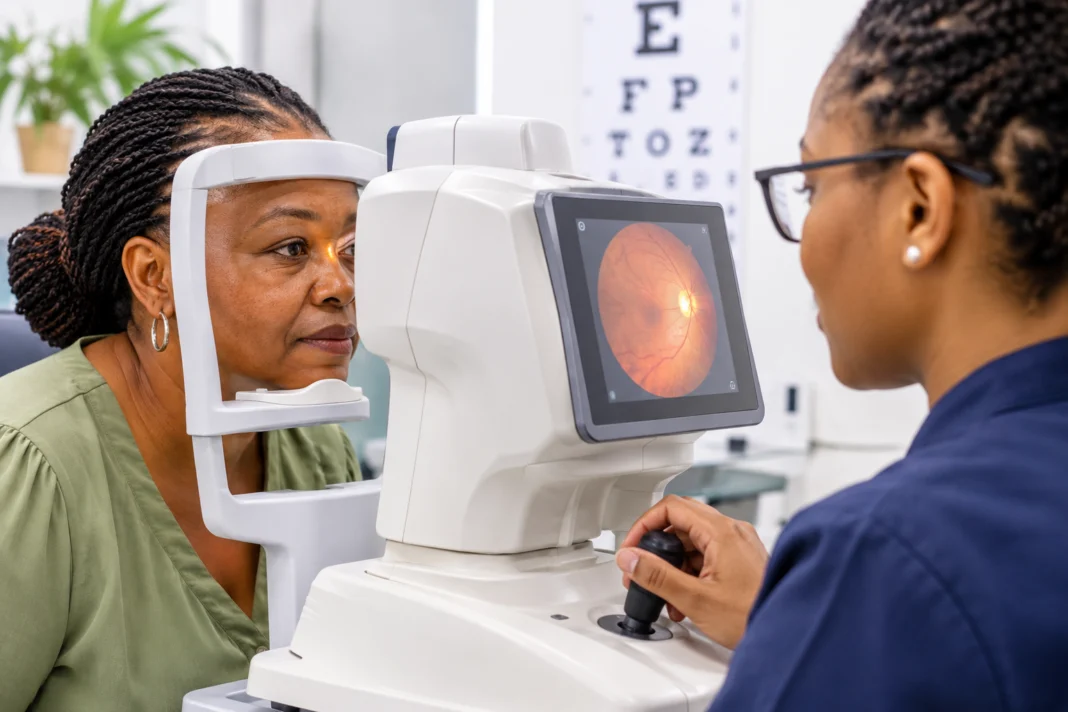
Diabetic retinopathy, caused by damage to the light-sensitive retina at the back of the eye, is one of the most common and serious complications of diabetes, however, most vision loss can be prevented when it is detected early through regular retinal screenings and treated in time – protecting independence, dignity, jobs and families.
Ahead of World Diabetes Day on 14 November, the Ophthalmological Society of South Africa (OSSA) is calling for retinal screening to be built into diabetes healthcare programmes, and for diabetes patients to make a habit of tracking their retina score just as they do with monitoring their blood sugar and blood pressure.
OSSA executive committee member Dr Johann Lamprecht described diabetes as “a silent thief of eyesight” as diabetic eye disease initially causes no pain, and vision often stays clear until the damage is far advanced.
“In diabetic retinopathy, time is sight. We encourage people with diabetes to start having retinal examinations as soon as they are diagnosed and while they can still see well, as diabetic eye disease can silently damage vision before symptoms appear.
“The damage is often permanent or only partly reversible. By the time vision is affected, it may be too late to save it,” he said.
Dr Lamprecht said research had clearly shown that blindness due to diabetes is preventable with early diagnosis and treatment, along with managing the risk factors for developing diabetes and for those who do have diabetes to adhere to their treatment and live healthy lifestyles.
“Early detection is cost-effective while late detection can result in costly treatment and a significant increase in patient disability.”
The benefits of early detection and treatment reach far beyond preserving the ability to see, Dr Lamprecht said, as vision loss dramatically impacts on a person’s independence and increases their reliance on family, caregivers or surrounding community.
“When we ask someone who has lost their sight what they miss most, the answer is ‘independence’ – reading books and labels for themselves, recognising a familiar face across the room, doing their own shopping, getting around on their own, earning a living.
“Protecting sight protects jobs, families and dignity,” he said.
Vision loss, ranging from moderate sight problems such as difficulty reading or blurred vision through to blindness, negatively affects quality of life, employment prospects and socio-economic status, and increases depression and anxiety in the elderly.
“At a national level, vision loss in the working-age population impacts negatively on economic productivity and raises the state’s burden of healthcare costs.
“Given the high prevalence of diabetic retinopathy in diabetes patients, the condition could account for a meaningful proportion of the International Diabetes Federation’s estimated burden of diabetes care on the South African healthcare system of US$4,5 billion (R76,5 billion) annually,” he said.
The risk of vision loss cuts across all age groups with diabetes, and affects both type 1 and type 2 diabetic patients.
OSSA recommends that every person with type 2 diabetes should have a retinal examination when diabetes is diagnosed, because damage may already be present, and then regularly as advised by their doctor. Women with diabetes who are planning a pregnancy or are pregnant need their own screening schedule, as do those with Type 1 diabetes.
Type 1 diabetes often begins in childhood and can cause reversible vision difficulties, cataracts and, eventually, permanent damage. Children with diabetes should have retinal screening from age 11 and once they have had diabetes for two to five years.
“Your retina score is the grade your diabetic eye examination gives. Ask for it, write it down, and track it alongside your blood sugar and blood pressure,” he advised all diabetes patients.
For general practitioners and nurses, OSSA recommends referring all diabetes patients for retinal screening at diagnosis and then at regular intervals, and recording the retinal grade along with the regular metrics of blood glucose, blood pressure and kidney function.
“Optometrists are often the first health professional that a person with undiagnosed diabetes sees. We recommend examining the retina of every patient with diabetes, thinking of diabetes when retinal haemorrhages or unexplained shifts in a spectacle prescription are seen, and refer promptly to an ophthalmologist,” Dr Lamprecht said.
He said sustainable retinal screening should be built into primary-care diabetes programmes, including AI-assisted retinal photography screening in areas lacking in specialists.
“AI does not replace your eye-care professional, but it does enable a GP, nurse or optometrist with a camera to screen many more people, faster, and refer those at risk for treatment sooner,” he said.
While some people may have no symptoms in the early stages of diabetic retinopathy, symptoms that may develop as the conditions gets worse can include spots or dark cobweb-like strings floating in the field of vision, dark or empty areas, blurring or other noticeable changes in vision.
Treatment is aimed at slowing or stopping diabetic retinopathy from worsening but extends far beyond that.
Throughout all stages of the condition, improving management of diabetes is critical, Dr Lamprecht said. Lifestyle changes involving diet and exercise, as well as optimal control of blood sugar and blood pressure have been shown to reduce the risk of developing diabetic retinopathy, to significantly slow the progression, or even cause disease regression. Patients must note, however, that Rapid tightening of blood sugar control, including with GLP-1 drugs, can briefly worsen retinopathy at first.
At more advanced stages of retinopathy, treatment could include injections of medication into the eye, laser therapy, or surgery.
Everyone has a role to play in preventing avoidable sight loss
On preventing or lowering the risk of diabetes, and managing health if diagnosed, Dr Lamprecht said “small, everyday habits can make a big difference,” and recommended:
-
Move. Regular exercise of at least 30 minutes a day including cardiovascular types such as brisk walking, and resistance training.
-
Eat real food. Fewer sugary drinks and refined, ultra-processed foods; more vegetables, legumes, whole grains, healthy oils and protein.
-
Sleep. Adults who regularly sleep too little – or too long – are more likely to develop type 2 diabetes. Aim for seven to eight hours a night.
-
Calm the fire. Long-lasting, low-grade inflammation – fed by excess belly fat, inactivity, smoking and poor sleep – predicts type 2 diabetes and helps drive damage to the tiny blood vessels of the eye. Every habit mentioned above can turn that fire down. Stopping smoking is one of the most powerful steps of all.
-
People living with diabetes: Don’t wait for changes in your eyesight. Arrange regular retinal examinations, ask for your retinopathy grade and keep track of it.
-
Families and caregivers: Encourage loved ones with diabetes to attend their eye examinations. Help them make screening part of their routine diabetes care.
-
GPs and nurses: Refer patients for retinal screening when they are diagnosed with diabetes and ensure follow-up examinations take place.
-
Optometrists: Include retinal examinations where appropriate, be alert to signs of diabetic eye disease and refer patients promptly to an ophthalmologist.
-
Healthcare decision-makers: Make retinal screening a routine component of diabetes programmes, including the use of AI-assisted retinal photography to extend access in underserved areas.
Check. Know. Act.
Contact a medical professional right away if you are living with diabetes and have not yet had an eye examination or if your vision seems to be getting worse.
For more information on common eye conditions or to locate an ophthalmologist, visit https://www.ossa.co.za/website/patients