



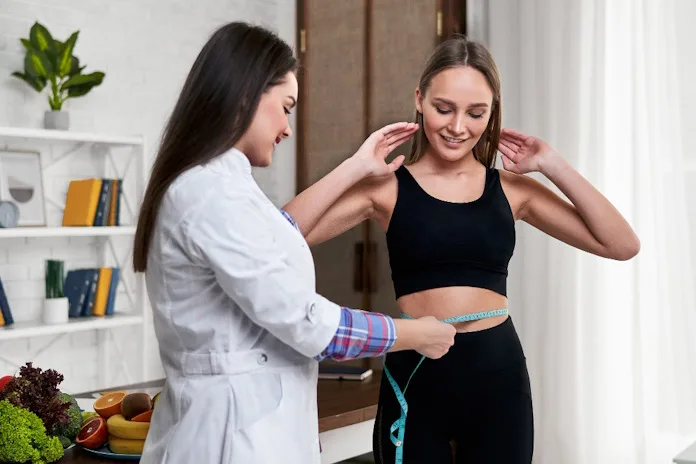
So many of us start a weight loss plan with the hope to get results, only to feel stuck months later. For years, medical weight management meant prescriptions, occasional check ins and a lot of doing things that you think work. You get a plan, maybe a medication and then be left to figure out the rest on your own. But losing weight doesn’t just require willpower but support, feedback and knowing what’s working in real time.
Digital health tools and wearables fill these gaps. From smart scales to apps that coach you, technology is shaping how we approach obesity care. These gadgets are becoming essential tools in a patient’s journey. They help track progress, flag early warning signs and keep motivation alive and when paired with clinical support and medications like semaglutide, the results can be powerful.
Digital Health Tools: A Game Changer in Obesity Care
Most people trying to lose weight do not need more advice but better support. This is where digital health tools help. These quietly work in the background to keep patients on track, connected and accountable.
A digital health toolkit includes:
A. Mobile apps that track meals, movement and mood
B. Telemedicine platforms that bring doctors and dietitians to your screen
C. AI powered systems that learn your habits and offer smarter nudges
D. Wearables that monitor activity, sleep and even glucose levels
A patient using a calorie tracker or a continuous glucose monitor is not just logging data – they’re building awareness. Digital health tools are already improving access to obesity care, especially for those who struggle with in person visits or need more frequent touchpoints. They’re helping people stay engaged, spot patterns early and make small adjustments before things spiral.
And the best part? These tools meet people where they are. On their phones. On their wrists. In their routines. This is not about replacing prescriptions. It is about making Medical Weight Management smarter, more responsive and more human.
Wearables and Real-Time Monitoring: Empowering Patients
From smartwatches to continuous glucose monitors, wearable devices are providing patients with new insights into their health. Tracking everything from heart rate and sleep to blood sugar and stress levels, wearables are changing the game in medical weight management. Here is how!
- Real time feedback: Patients no longer have to wait for a clinic visit to see how their body responds to food, exercise or medication right away.
- Behavioral nudges: These provide subtle reminders to move, hydrate or breathe and help build better habits.
- Early alerts: Devices like CGMs can flag blood sugar spikes or dips before symptoms hit. This helps patients and providers act fast.
Wearables are now being used not just for tracking but for coaching. They’re helping people stay engaged between appointments and giving clinicians a clearer picture. For example, someone on semaglutide might use a wearable to monitor how their body responds to different meals or activity levels.
This data can help fine tune their Ozempic dosage or spot early signs of semaglutide side effects before they become a problem.
Weight Loss Medication Provider’s Perspective: Pandameds
Pandameds.com is a Canadian prescription referral service helping U.S. customers access affordable and authentic weight loss medications. Their team notes that pairing these medications with wearables and app check-ins improves onboarding, adherence, and timely dose adjustments between visits.
Challenges and Considerations in Digital Integration
Digital tools are powerful but not plug and play. As more clinics and patients adopt wearables, apps, and remote monitoring, a few real world hurdles are starting to show up. For digital care to work well in medical weight management, you need digital literacy, addressing gaps in tech access and privacy concerns.
Conclusion: A Holistic, Tech Enabled Future
Weight care is no longer just about prescriptions or calorie counts but also about the connection between data and decisions. Digital health tools, wearables and medications like semaglutide are not meant to work in silos. When integrated into patients’ lives with a healthy lifestyle, they create a support system that is smarter, more responsive and more personalised.
No app can replace a trained provider. Digital tools work best when they are part of a hybrid model where tech supports the care plan and does not replace it. The goal is to track more data for better health monitoring, smarter dosing and early signals detection for better health decisions.