


Cinnamon is a beloved spice known for its warm, sweet aroma and countless culinary uses. But beyond the kitchen, many gardening enthusiasts wonder: can you grow cinnamon in the US, especially in warmer regions like Texas? Successfully cultivating cinnamon trees outside their native tropical environments may seem challenging, but with the right knowledge and care, it’s entirely possible. This article will guide you through everything you need to know about growing cinnamon in various climates in the US, focusing particularly on Texas. From choosing the right variety to protecting your tree from pests and harsh weather, we’ll cover all the essentials to help you enjoy this wonderful spice straight from your garden.
Which Cinnamon Variety Is Best for Your Climate?
What’s the Difference Between Ceylon and Cassia Cinnamon?
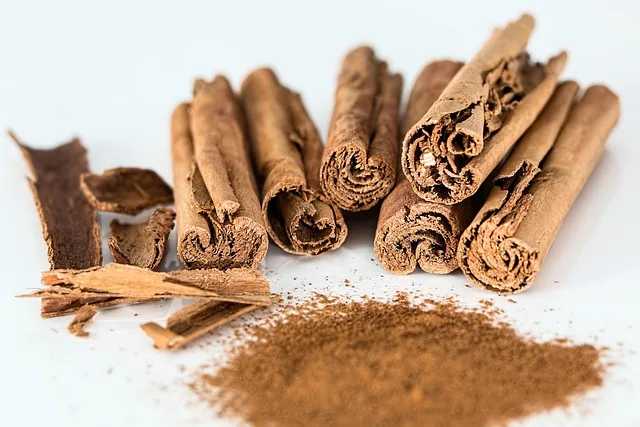
When it comes to growing cinnamon, understanding the difference between the two main varieties—Ceylon and Cassia—is essential. Ceylon cinnamon, often called “true cinnamon,” is native to Sri Lanka and is prized for its delicate flavor and sweeter, lighter bark. Cassia cinnamon, which commonly originates from Indonesia and China, tends to be stronger, with a darker, thicker bark. From a gardening perspective, Cassia is often more adaptable and easier to grow outside tropical zones, making it a popular choice for US gardeners.
Which Cinnamon Variety Grows Better in Texas?
Texas has a warm climate but also experiences seasonal fluctuations that can affect plant growth. Among cinnamon varieties, Cassia cinnamon is generally better suited for Texas gardens due to its resilience in warmer and drier conditions. While true Ceylon cinnamon prefers consistently humid and tropical environments, Cassia’s hardiness allows it to tolerate occasional temperature drops and less humidity, making it a practical choice for local growers.
What Climate Does Cinnamon Really Need to Grow Well?
What Temperature and Humidity Help Cinnamon Thrive?
Cinnamon trees flourish in warm, humid climates with temperatures ideally ranging between 60°F to 85°F (15°C to 29°C). High humidity levels of about 60% to 80% encourage healthy growth, as cinnamon is native to tropical rainforests where moisture is abundant. If you live in areas where winter temperatures dip below 50°F (10°C), you’ll need to take precautions like growing cinnamon in containers indoors or using protective covers outdoors during colder months.
Can You Grow Cinnamon Outdoors All Year in the US?
In many parts of the US, especially northern and cooler regions, it isn’t practical to grow cinnamon outdoors all year round. However, southern states like Texas, Florida, and parts of California offer climates that can support outdoor growth during warmer months. Overwintering by bringing plants indoors or into greenhouse environments is essential where cold snaps occur. Container planting is a versatile option for many gardeners since it allows cinnamon trees to be moved indoors during adverse weather conditions.
Where Is the Best Place to Plant Cinnamon in Your Garden or Home?
Does Cinnamon Prefer Full Sun or Shade?
Cinnamon trees grow best in bright, indirect sunlight. While they can tolerate some shade, too much shade slows their growth. Ideally, plant your cinnamon tree where it can get morning sun and afternoon shade, balancing light exposure with protection from intense midday heat. This setup is especially beneficial in Texas, where afternoon temperatures can soar.
How Can You Protect Your Cinnamon Tree From Harsh Weather?
Texas weather can be unpredictable, with heat waves, occasional frost, and strong winds. To protect your cinnamon tree, consider planting it near a sheltered spot such as against the south or east side of your home, where it can benefit from natural windbreaks and some shade. Mulching around the base helps retain moisture and regulate soil temperature, while a temporary frost cloth or greenhouse can shield young or vulnerable plants during colder nights.
Should You Start Growing Cinnamon from Seeds or Saplings?
What’s Easier: Growing Cinnamon from Seeds or Buying Young Trees?
Growing cinnamon from saplings tends to be faster and more reliable than starting from seeds, which can be slow to germinate and require very specific conditions. Saplings are more readily available from nurseries and give you a head start on growth. However, if you enjoy gardening challenges, starting from seed can be rewarding with patience and proper care.
How Do You Care for Cinnamon Seedlings in the Beginning?
Cinnamon seedlings need warm, humid conditions and well-draining, fertile soil. Keep the soil consistently moist but not soggy, and avoid exposing young plants to direct, harsh sunlight. Maintaining high humidity by misting and using humidity trays will encourage healthy growth. Regular feeding with a balanced, diluted fertilizer will also support seedling development.
How Can You Protect Your Cinnamon from Pests and Diseases?
What Pests Should You Watch Out for on Cinnamon Trees?
Like many plants, cinnamon trees can be susceptible to pests such as aphids, scale insects, and spider mites. These pests can affect leaf health and overall growth if not addressed promptly.
What Simple, Natural Ways Keep Pests Away?
To minimize pest problems, encourage natural predators like ladybugs and parasitic wasps in your garden. Regularly wiping leaves with a mild soap solution or neem oil spray is an effective and natural pest deterrent. Maintaining good air circulation around the tree and avoiding overwatering can also prevent fungal diseases.
What Challenges Does Texas Climate Present for Growing Cinnamon?
Texas’ climate poses unique challenges such as high summer heat, occasional droughts, and sudden cold snaps in winter. These factors can stress cinnamon trees, affecting their growth and survival. Soil quality can also vary, so ensuring your garden has nutrient-rich, well-draining soil is essential.
How Does the Texas Heat Affect Cinnamon Growth?
While cinnamon enjoys warmth, extreme Texas heat can cause leaf scorch and moisture loss. It’s crucial to keep the tree well-watered and provide partial shade during the peak heat of the day. Mulching helps conserve soil moisture and regulate root temperature, which is vital during hot spells.
What Can You Do to Help Cinnamon Trees Survive Texas Weather?
To help cinnamon trees thrive in Texas weather, plant them in protected locations, maintain consistent moisture, and use mulch to protect roots. During colder months, move container-grown trees indoors or to a greenhouse. Consider windbreaks and shade cloths to shield from intense sun and storms. Regular observation and prompt care for pests and diseases keep your cinnamon healthy year-round.
Conclusion
Growing cinnamon in the US, particularly in Texas, is achievable with the right variety and attentive care. Cassia cinnamon suits Texas’ climate best, while understanding your garden’s microclimate will help you decide the best planting spot and protective measures. Whether you choose to start from seeds or young saplings, remember that temperature, humidity, and pest management are key to success. With patience and dedication, you can enjoy the wonderful aroma and flavor of homegrown cinnamon.
For more gardening tips and seasonal advice, visit trusted sources like MSN Gardening.
FAQs
- Which country produces the best quality cinnamon in the world?
Sri Lanka is renowned for producing the highest quality “true” Ceylon cinnamon, prized for its delicate flavor and thin, soft bark.
- Can I grow a cinnamon tree in Texas?
Yes, you can grow cinnamon in Texas, especially the Cassia variety, with proper care and protection from extreme weather.
- Can you grow cinnamon in the USA?
Yes, cinnamon can be grown in the USA, primarily in warmer southern states or indoors in cooler regions.