Advertising is facing an attention crisis. Consumers are scrolling past content faster than brands can produce it, while artificial intelligence is making it possible to churn out marketing material at a pace that was unimaginable just a few years ago.
It’s not a new notion, but it’s playing out in real time at a relentless and sometimes droll pace, said Playlabs managing director Denny Mo. “The battle for eyeballs has become tougher, and even the most beautifully crafted advertisement means very little when nobody bothers to look at it,” he said. “Too much tech, too much shiny and new, and agencies and marketers are chasing it without reading the room.”
Mo added that with consumers edging back to analogue, gamification is an alternative to conventional advertising, with brands using short, interactive games to get consumers involved rather than simply bombarding them with another message. And the difference between looking at an advertisement and actually participating in one can be measured in minutes rather than seconds.
“Whether it’s printed or digital, we just deliver different types of images. Sometimes they emotionally connect with you. Sometimes they don’t,” he said. “There’s never really any interaction. I’m telling you something. You listen. You absorb. End of story.” Games, however, demand participation. Players have to make decisions, respond to challenges and remain involved until the game ends.

Mo said this creates an entirely different relationship between consumers and brands, particularly when there is an opportunity to win something. Playlabs did a comparative study. “A two-minute advertising video attracted approximately 317,000 views, but viewers watched for an average of just 1.1 seconds. A branded memory game attracted almost 300,000 plays, with an average playing time of two minutes and 47 seconds,” he said. The video generated approximately 5,800 minutes of viewing time, while the game recorded around 822,000 minutes of play.
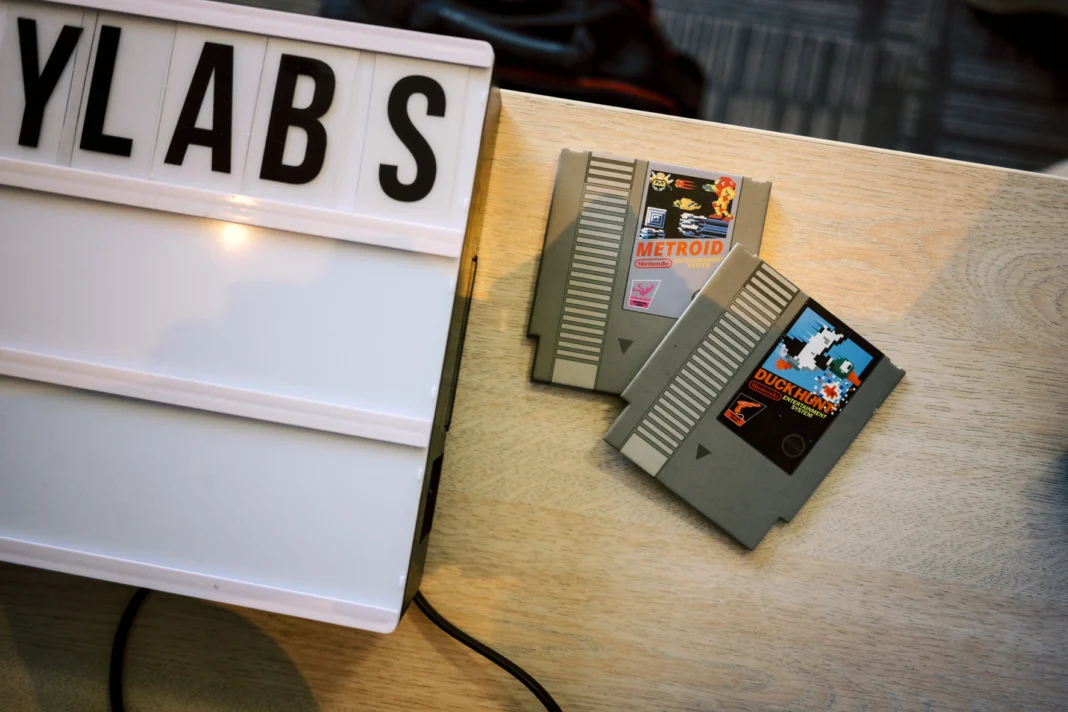
In tandem with analogue spores spreading, Mo said the appeal is not necessarily in developing sophisticated games. Playlabs concentrates on what the gaming industry calls hyper-casual games, simple experiences that take no more than a few minutes to complete. Many borrow from familiar favourites such as Flappy Bird and Fruit Ninja, with bright colours, uncomplicated gameplay and a healthy dose of nostalgia and retro graphics. “I’m appealing to your inner child. That’s who I’m appealing to,” he said. “I want a short, fun interaction game with lots of colours. One minute of your time. That’s all I need to bring home a brand message.”