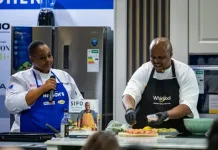




In a world where fast food and modern dishes dominate, the rich flavors of traditional Setswana cuisine continue to hold a special place in the hearts—and stomachs—of Mahikeng residents and visitors alike.
From tshotlo (shredded meat) to tlhakwana (cow heel or pork trotter) and ting (fermented porridge), these beloved dishes remain a staple for many, offering both cultural pride and affordability in tough economic times.
A Growing Market for Tradition
A local vendor who has been selling traditional food for four years, says she was surprised by the demand—especially from younger generations.
“More than anything, I was just surprised that the young ones… they actually eat traditional food,” she said, recalling how customers enthusiastically request extras like dumplings. Recognizing the market gap, she even invested in a motorbike to expand her delivery services to areas often overlooked by mainstream food apps.
More Than Just a Meal
Another local vendor highlighted that the appeal of traditional food goes beyond taste—it’s a cultural connection. Despite the influx of restaurants, Mahikeng residents remain fiercely loyal to their heritage dishes.
“People here don’t want traditional food to ever be unavailable,” the vendor said.
Affordability in Tough Times
With rising living costs, many customers are turning to traditional meals not just for their rich flavors but also for their affordability.
“Due to the economy not doing well, you can get your food cheaper,” one patron explained. “That’s why we opt for traditional food—it’s affordable, filling, and tasty.”
As modern culinary trends continue to evolve, Setswana cuisine proves it’s here to stay, satisfying both nostalgia and hunger one plate at a time.