
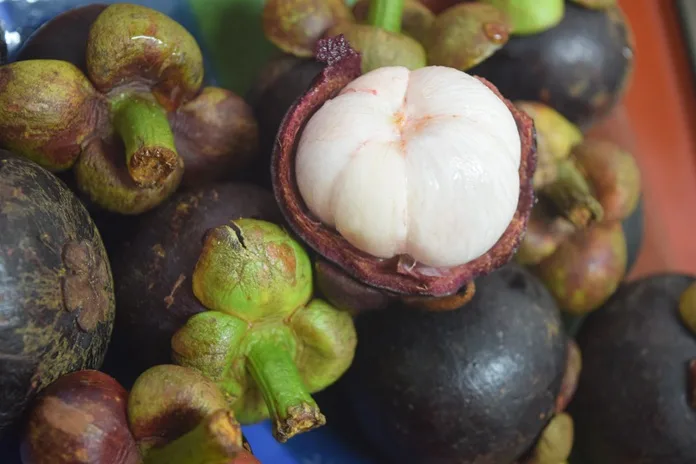
Mangosteens (Garcinia mangostana), often referred to as the “queen of fruits,” are tropical fruits native to Southeast Asia. Known for their sweet, tangy flavor and juicy white flesh, mangosteens have a thick, deep purple rind and are highly prized for their taste and health benefits.
Nutritional Profile of Mangosteens
Mangosteens are low in calories but rich in essential nutrients, including:
-
Vitamin C – Boosts immunity and skin health.
-
Fiber – Aids digestion and promotes gut health.
-
Antioxidants (Xanthones) – Help fight inflammation and oxidative stress.
-
Folate & B Vitamins – Support energy metabolism and brain function.
Health Benefits of Mangosteens
1. Powerful Antioxidant Properties
Mangosteens contain xanthones, a unique class of antioxidants that help neutralize free radicals, reducing the risk of chronic diseases like heart disease and cancer.
2. Supports Immune Function
High in vitamin C, mangosteens strengthen the immune system, helping the body fight infections and illnesses.
3. Promotes Digestive Health
The fiber content in mangosteens aids digestion, prevents constipation, and promotes a healthy gut microbiome.
4. Anti-Inflammatory Effects
Studies suggest that mangosteen extracts may reduce inflammation, benefiting conditions like arthritis and inflammatory bowel disease.
5. May Improve Skin Health
Antioxidants in mangosteens help combat skin aging, acne, and eczema, making them popular in natural skincare products.
6. Potential Anti-Cancer Properties
Some research indicates that xanthones in mangosteens may inhibit the growth of cancer cells, though more studies are needed.
Mangosteens in Thailand: Cultural and Economic Significance
Mangosteens hold a special place in Thai culture and agriculture. Thailand is one of the world’s largest producers and exporters of mangosteens, particularly in provinces like Chanthaburi, Rayong, and Trat.
Why Are Mangosteens Important in Thailand?
-
Cultural Symbolism: Known as the “queen of fruits,” mangosteens are often served at royal ceremonies and traditional events.
-
Economic Value: Thailand exports mangosteens worldwide, contributing significantly to the country’s agricultural economy.
-
Tourist Attraction: During the harvest season (May to September), tourists visit orchards to taste fresh mangosteens and learn about their cultivation.
-
Traditional Medicine: Thai herbal medicine uses mangosteen rind for its anti-inflammatory and antimicrobial properties.
How to Eat Mangosteens
To enjoy a mangosteen:
-
Gently press the rind until it cracks.
-
Peel away the thick outer layer to reveal the soft, segmented flesh inside.
-
Remove any seeds before eating the juicy white segments.

Conclusion
Mangosteens are not only delicious but also packed with health-boosting nutrients. Their significance in Thailand as a cultural icon and economic commodity highlights their global appeal. Whether eaten fresh, as juice, or in supplements, mangosteens offer a tropical taste with remarkable benefits for overall well-being.
Would you like to try this exotic fruit? If you visit Thailand, don’t miss the chance to taste fresh mangosteens in season!