


Coriander, also known as cilantro in its leafy form, is a versatile and aromatic spice widely used in kitchens worldwide. Its seeds and powder are especially popular for their unique flavor and health benefits. Whether you’re a seasoned chef or a beginner cook, incorporating coriander seeds and powder into your cooking can elevate the taste and aroma of your dishes. This article explores using coriander seeds and powder effectively in various cuisines and dishes.
What Are Coriander Seeds and Powder?
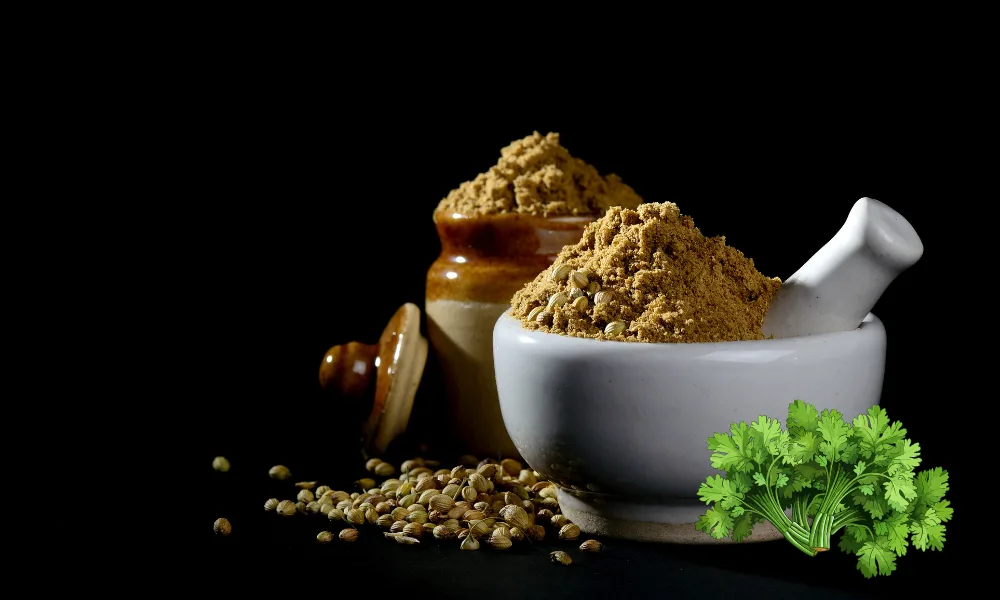
Coriander seeds come from the plant Coriandrum sativum and are small, round, and light brown. They have a warm, citrusy flavor with a hint of nuttiness. When ground, these seeds become coriander powder, which is more convenient for many recipes.
Coriander seeds are often whole in recipes, especially in pickling, tempering, or brewing. Coriander powder, on the other hand, is a staple in spice blends like garam masala and curry powders, providing depth and complexity to dishes.
Health Benefits of Coriander Seeds and Powder
Coriander is not just a flavor enhancer but also offers numerous health benefits:
- Rich in Nutrients: Coriander seeds are packed with vitamins, minerals, and antioxidants.
- Aids Digestion: It helps in reducing bloating, gas, and indigestion.
- Anti-Inflammatory Properties: Coriander contains compounds that help reduce inflammation in the body.
- Regulates Blood Sugar: It may assist in managing blood sugar levels.
- Promotes Heart Health: Regular use of coriander can lower cholesterol levels and improve heart health.
Including coriander in your cooking is an excellent way to enjoy these benefits naturally.
How to Use Coriander Seeds in Cooking
Toasting Coriander Seeds
Toasting coriander seeds enhances their flavor and aroma. Simply heat a dry skillet over medium heat, add the seeds, and toast them until fragrant. Let them cool and use them whole or grind them into a powder.
Grinding Coriander Seeds
For a fresher taste, grind toasted coriander seeds in a spice grinder or mortar and pestle. Freshly coriander powder has a more vibrant flavor than pre-packaged powder.
In Spice Blends
Whole coriander seeds are a key ingredient in spice blends like garam masala, ras el hanout, and dukkah. Adding them to these blends provides a citrusy balance to other spices.
In Pickling
Coriander seeds are often used in pickling brines for vegetables like cucumbers, carrots, and onions. They add a tangy and aromatic dimension to the brine.
In Curries and Stews
Add whole coriander seeds to curries and stews to infuse them with flavor. They soften during cooking and release their oils, enhancing the dish’s taste.
In Baked Goods
Coriander seeds can be used in bread and baked goods for a subtle citrusy flavor. Rye bread, for instance, often includes crushed coriander seeds.
How to Use Coriander Powder in Cooking
In Spice Rubs
Coriander powder is a popular ingredient in spice rubs for meats and vegetables. Combine it with other spices like cumin, paprika, and turmeric to create a flavorful rub.
In Marinades
Add coriander powder to marinades for meats, tofu, or paneer. Its warm and earthy notes complement a wide range of ingredients.
In Soups and Broths
A pinch of coriander powder can enhance the flavor of soups and broths. It works particularly well in lentil soups and chicken broths.
In Curries and Gravies
Coriander powder is a must-have in Indian, Thai, and Middle Eastern curries. It thickens the sauce and adds a rich, aromatic flavor.
In Salad Dressings
Blend coriander powder with olive oil, lemon juice, and garlic for a zesty salad dressing. It pairs well with fresh greens and roasted vegetables.
In Rice Dishes
Sprinkle coriander powder into rice dishes like biryani or pilaf. It adds a subtle warmth and complements other spices.
Coriander in Different Cuisines
Indian Cuisine
Coriander is a cornerstone of Indian cooking. Both the seeds and powder are used in spice blends, dals, curries, and chutneys. For example, coriander powder is a key ingredient in aloo gobi (potato and cauliflower curry).
Middle Eastern Cuisine
In Middle Eastern dishes, coriander seeds are used in spice mixes like baharat and za’atar. They’re also added to soups, stews, and roasted meats.
Mexican Cuisine
Coriander powder is a common ingredient in Mexican dishes, including tacos, salsas, and chili. It’s often paired with cumin for a robust flavor.
Asian Cuisine
Coriander seeds are used in Asian stir-fries, soups, and noodle dishes. They’re also a component of five-spice powder in Chinese cooking.
European Cuisine
In European recipes, coriander seeds are used in bread, sausages, and pickles. Scandinavian rye bread and German sausages often feature crushed coriander seeds.
Tips for Using Coriander in Cooking
Store Properly: Keep coriander seeds and powder in an airtight container in a cool, dark place to maintain freshness.
Experiment with Ratios: Adjust the quantity of coriander to suit your taste preferences. Start with small amounts and increase as needed.
Blend with Other Spices: Coriander pairs well with cumin, turmeric powder, fennel seeds, and cinnamon.
Use Fresh Powder: Grind coriander seeds in small batches to ensure the powder remains fresh and flavorful.
Layer Flavors: Use both seeds and powder in the same dish to create a depth of flavor.
Coriander Substitutes
If you run out of coriander, here are some substitutes:
- Cumin: Offers a warm and earthy flavor similar to coriander.
- Caraway Seeds: Provide a slightly sweet and nutty flavor.
- Fennel Seeds: Add a licorice-like sweetness.
- Dried Parsley: Works well as a substitute in fresh applications.
Conclusion
Coriander seeds and powder are indispensable ingredients in many cuisines worldwide. Their warm, citrusy flavor and versatility make them suitable for a variety of dishes, from savory curries to tangy pickles and aromatic rice dishes. By incorporating coriander into your cooking, you can add complexity and depth to your recipes while enjoying its numerous health benefits. Experiment with whole seeds and powdered forms to discover the unique ways this spice can elevate your culinary creations.