



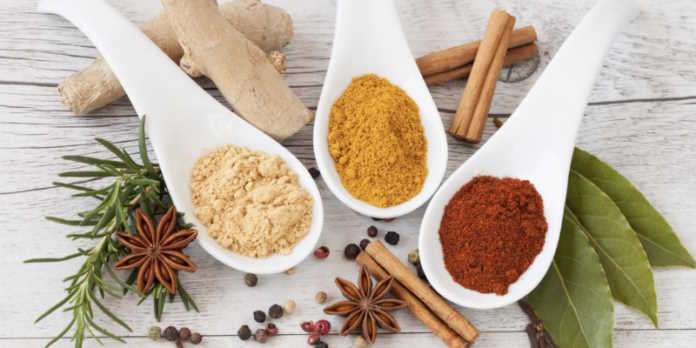
Spices have been cherished throughout history for their ability to transform ordinary dishes into culinary masterpieces. They not only add flavor and aroma but also have many health benefits.
Here are ten delicious spices that can elevate your meals and bring flavor to your table.
Cumin
Cumin is a staple in many cuisines, particularly in Indian, Middle Eastern, and Mexican cooking. Its cozy, natural taste and scent can improve a range of meals, from curries and soups to stews and rice preparations. Cumin is available in whole seeds or ground form, which is more convenient for quick use.
Health Benefits:
Cumin is known for its digestive properties. It can assist with stomach discomfort, swelling, and excessive gas. Additionally, cumin seeds are rich in iron, making them beneficial for maintaining healthy blood levels.
How to Use:
Toast cumin seeds in a dry skillet to bring out their flavor before grinding them for use in recipes. Add ground cumin to spice blends, marinades, and rubs for meat and vegetables.
Turmeric
Turmeric, with its vibrant yellow color, is often used in Indian and Southeast Asian cuisines. Its mildly bitter and peppery flavor pairs well with various dishes, particularly curries, rice, and soups. Turmeric is available as a fresh root or in powdered form.
Health Benefits:
Turmeric contains curcumin, a powerful anti-inflammatory compound that has been studied for its potential benefits in managing arthritis, depression, and even certain cancers.
How to Use:
Include turmeric in curries, stews, and soups to enhance their taste with a cozy, natural essence. It can also be used to season roasted vegetables or in smoothies for a healthful boost.
Paprika
Paprika is a powdered spice derived from dried red peppers. It is available in sweet, hot, and smoked varieties, each offering a unique flavor profile. Paprika is widely used in Hungarian, Spanish, and Moroccan cuisines.
Health Benefits:
Rich in antioxidants, paprika can help reduce inflammation and support eye health. It also contains vitamins A and E, which are essential for skin health and immune function.
How to Use:
Use sweet paprika to add a mild, sweet flavor to soups, stews, and sauces. Smoked paprika imparts a deep, smoky flavor, perfect for grilled meats and vegetables.
Cinnamon
Cinnamon is a flexible seasoning that can be applied to both sugary and savory recipes. It is made from the inner bark of cinnamon trees and is available in stick or ground form. Cinnamon is a key ingredient in many Middle Eastern and Indian dishes, as well as in baking.
Health Benefits:
Cinnamon has potent antioxidant and anti-inflammatory properties. It may help regulate blood sugar levels, making it beneficial for people with diabetes. Additionally, cinnamon is known to improve heart health by reducing cholesterol and triglyceride levels.
How to Use:
Add ground cinnamon to baked goods, oatmeal, and smoothies. Use cinnamon sticks to flavor stews, curries, and beverages like mulled wine or spiced tea.
Coriander
Coriander is the seed of the cilantro plant and is used extensively in Indian, Middle Eastern, and Mediterranean cuisines. It has a warm, citrusy flavor that complements both savory and sweet dishes.
Health Benefits:
Coriander is known for its digestive benefits, helping to alleviate symptoms of indigestion and bloating. It also has antibacterial properties and can help manage blood sugar levels.
How to Use:
Toast whole coriander seeds before grinding to enhance their flavor. Use ground coriander in spice blends, rubs, and marinades. Whole seeds can be added to pickles, curries, and soups.
Ginger
Ginger is a pungent, spicy root used in many Asian cuisines. It is available fresh, dried, ground, or pickled. Ginger brings a tangy, toasty taste to various foods and plays a crucial role in numerous salty and sugary recipes.
Health Benefits:
Ginger is renowned for its ability to relieve nausea and aid in digestion. It can help alleviate motion sickness, morning sickness, and indigestion. Ginger also has anti-inflammatory and antioxidant effects, making it beneficial for overall health.
How to Use:
Use fresh ginger in stir-fries, soups, and marinades. Ground ginger is great for baking and spice blends. Ginger that has been pickled is often served alongside sushi
Cardamom
Cardamom is a fragrant spice used in Indian, Middle Eastern, and Scandinavian cuisines. It possesses a sugary, fragrant taste, infused with citrus and mint undertones. Cardamom is available in whole pods, seeds, or ground form.
Health Benefits:
Cardamom has been used in traditional medicine to treat digestive issues, such as indigestion and gas. It also has anti-inflammatory properties and can help improve oral health by fighting bacteria that cause bad breath.
How to Use:
Add whole cardamom pods to rice, stews, and curries for a burst of flavor. Ground cardamom is commonly used in baking, particularly in Scandinavian pastries and Indian desserts.
Cloves
Cloves are the dried flower buds of the clove tree and are used in various cuisines, including Indian, Middle Eastern, and Western cooking. They have a strong, sweet, and slightly bitter flavor.
Health Benefits:
Cloves are rich in antioxidants and have antibacterial and anti-inflammatory properties. They are also known for their analgesic effects, particularly in relieving toothache and gum pain.
How to Use:
Use whole cloves to infuse flavor into soups, stews, and rice dishes. Ground cloves are perfect for spice blends, baking, and seasoning meats.
Nutmeg
Nutmeg is a warm, sweet spice made from the seed of the nutmeg tree. It is commonly used in baking, but it also adds depth to savory dishes, especially in Indian and Middle Eastern cuisines.
Health Benefits:
Nutmeg has anti-inflammatory and antioxidant properties. It can help improve digestion, relieve pain, and support brain health by improving cognitive function.
How to Use:
Grate fresh nutmeg into sauces, soups, and baked goods. A small amount is sufficient, so apply it carefully to prevent dominating your meals.
Fenugreek
Fenugreek is a unique spice with a slightly sweet, nutty flavor. It is frequently utilized in the cuisines of India, the Middle East, and the Mediterranean. Fenugreek seeds can be used whole or ground, and the leaves are also used as a herb.
Health Benefits:
Fenugreek is known for its ability to help manage blood sugar levels and improve insulin sensitivity. It also has anti-inflammatory properties and can aid in digestion.
How to Use:
Use fenugreek seeds in spice blends, curries, and pickles. Ground fenugreek can be added to doughs and batters for a unique flavor. Fenugreek leaves are often used in Indian dishes like saag and methi chicken.
Conclusion
Incorporating these ten delicious spices into your meals can elevate your cooking to new heights. Not only do they add incredible flavors and aromas, but they also offer numerous health benefits. Buy it from a wholesale spice supplier to spice your meals.
Experiment with these spices in your favorite recipes and discover the delightful ways they can transform your dishes. Whether you’re making a savory stew, a spicy curry, or a sweet dessert, these spices are sure to make your meals more exciting and enjoyable.