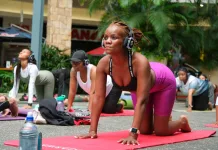




When it comes to reaching your fitness goals, one of the biggest decisions you’ll face is whether to commit to gym workouts or stick with home exercises. Both have their advantages and challenges, and the right choice depends on your personal preferences, goals, schedule, and motivation. Whether you’re looking to lose weight, build muscle, improve flexibility, or boost your mental health, your environment plays a key role in sustaining long-term progress. Let’s break down how home workouts and gym training compare in helping you achieve your fitness ambitions.
Goal 1: Weight Loss
Gym Workouts: Calorie Burn at Scale
Gyms offer a wide range of equipment and classes designed for high-intensity cardio and strength training. Treadmills, rowing machines, stair climbers, and spin classes help burn calories fast. You also benefit from group motivation and the structure of instructor-led sessions. For many people trying to lose weight, having a set place to go creates discipline and focus.
Home Workouts: Convenience and Consistency
At home, you can still shed pounds effectively using HIIT (High-Intensity Interval Training), dance workouts, or jump rope routines. Apps and YouTube trainers make it easier than ever. While you might not have access to large machines, the convenience means fewer skipped sessions—and consistency is the most important factor in weight loss.
If you’re someone who struggles with time or motivation, starting with 20-minute bodyweight sessions at home might be more sustainable than a full gym schedule.
Best Option for Weight Loss?
Both can work, but if time and accessibility are your hurdles, home workouts are an ideal starting point. For structured calorie-burning programs with measurable progress, the gym might give you the edge.
Goal 2: Building Muscle and Strength
Gym Workouts: Access to Heavy Weights
Gyms are often preferred by those pursuing serious muscle growth. Barbells, dumbbells, cable machines, and squat racks allow for progressive overload—essential for building muscle. You can target every muscle group with proper form under supervision or with a personal trainer. The variety of gym equipment also enables you to experiment with different training styles, from isolation movements to compound lifts, making each workout more efficient and engaging.
Home Workouts: Bodyweight and Resistance Bands
You can still build strength at home, especially as a beginner. Push-ups, pull-ups, planks, and squats can all be effective. Resistance bands and adjustable dumbbells enhance the experience. However, progression becomes more difficult over time without heavier weights or equipment.
Best Option for Muscle Gain?
If hypertrophy and strength are your primary goals, gym workouts are superior due to the equipment and variety. However, home routines can be a good starting point or supplement.
Goal 3: Flexibility and Mobility
Gym Workouts: Yoga Classes and Stretch Zones
Many gyms offer yoga, Pilates, or functional movement classes. These sessions not only improve flexibility but also reduce the risk of injury and improve performance in other areas.
Home Workouts: Daily Stretch Routines and Online Guidance
There are countless yoga and mobility sessions online that can be done in small spaces without any equipment. Apps and guided video tutorials make home flexibility routines highly accessible.
Best Option for Flexibility?
Home workouts are often more practical here—morning or evening stretching sessions can easily become a daily habit. However, structured classes at the gym can help those who need discipline and accountability.
Goal 4: Mental Health and Motivation
Gym Workouts: Environment and Energy
The gym environment can be a strong motivator. Surrounded by people who share your goals, you may feel inspired to push harder. For some, the gym provides a much-needed mental escape and social outlet. The act of going to a specific location can signal your brain to focus and commit.
Home Workouts: Privacy and Comfort
Others may feel intimidated by gyms or prefer the privacy of working out at home. You can design your own space, play your music, and move at your pace. This can reduce stress and make exercise feel more personal and enjoyable.
Best Option for Mental Health?
It depends on your personality. If you thrive in social environments, a gym may lift your mood more effectively. If you’re easily distracted or anxious in public, home workouts offer a calmer alternative.
Cost and Accessibility
Gym Workouts: Membership and Transport
Gyms vary in cost—some offer affordable plans, while others are high-end. Don’t forget to factor in travel time and transport costs. But you get access to machines, classes, and trainers that justify the price.
Home Workouts: Budget-Friendly Fitness
Home fitness can be virtually free. With just a mat and Wi-Fi, you can follow high-quality routines. Investing in basic gear like resistance bands or adjustable dumbbells is far cheaper than a gym membership over time.
Best Option for Budgeting?
If you’re on a tight budget or live far from a gym, home workouts win. However, if you value variety and expert support, a gym might be worth the expense.
Goal 5: Sticking to a Routine
Gym Workouts: Structured Schedules and Habit Formation
For many people, the physical act of “going to the gym” becomes a habit that’s easier to stick with. Booking classes or meeting a workout partner helps with accountability. You’re also less likely to get distracted than at home.
Home Workouts: Flexibility and Reduced Excuses
Skipping a workout becomes harder to justify when your gym is just a few steps away. The key is to set clear times and treat them as non-negotiable. Building a habit at home may require extra discipline, but it also offers unparalleled flexibility.
One powerful way to commit to home workouts is by using a whiteboard or calendar to visually track your sessions—this helps build momentum.
Best Option for Routine Building?
If you’re self-motivated and like flexibility, home workouts are great. If you need external accountability, structured gym routines can better support your consistency.
Combining Both Approaches
Many people find success using a hybrid model. You can go to the gym for strength sessions and use home workouts for cardio, mobility, or active recovery days. This approach also prepares you for travel or busy periods when gym visits aren’t feasible.
Example Weekly Routine:
- Monday: Strength training at gym
- Tuesday: Yoga/stretch at home
- Wednesday: HIIT cardio at home
- Thursday: Strength at gym
- Friday: Rest or light walk
- Saturday: Full-body resistance at home
- Sunday: Mobility and recovery
Equipment for Effective Home Workouts
You don’t need a full gym setup to get great results at home. Consider:
- Yoga mat
- Resistance bands
- Adjustable dumbbells
- Pull-up bar (doorframe)
- Kettlebell or medicine ball
- Foam roller
These tools allow you to perform a variety of strength and flexibility exercises without crowding your space.
Tracking Progress
No matter where you work out, tracking progress is essential. Use apps, journals, or wearables to monitor:
- Reps, sets, and weights used
- Duration and intensity of cardio
- Flexibility improvements
- Resting heart rate or sleep quality
- Body measurements or photos
Seeing progress helps reinforce commitment—especially when physical results take time to appear.
Home workouts and gym sessions each offer unique advantages—and neither is inherently better. What matters most is consistency, alignment with your goals, and choosing a routine that fits your lifestyle. If you’re after muscle growth and structured coaching, a gym might be your best bet. If flexibility, privacy, and cost are more important, home workouts offer a winning solution. Many people benefit from combining both.
Ultimately, the best workout is the one you’ll stick with. Choose the space that inspires you, set realistic goals, track your progress, and enjoy the process. Fitness isn’t just about where you train—it’s about showing up, challenging yourself, and building a healthier life