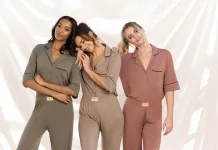




Fast fashion has made it easy to grab something new every week—cheap, quick, and on-trend. But somewhere along the way, the thrill started to fade. Fabrics felt flimsier. Fits didn’t hold up. Pieces were forgotten after a few wears.
Now, more people are rethinking how they shop. They want clothes that feel personal, last longer, and tell a story worth wearing.
Independent designers are stepping into that gap. They work slower, make less, and focus on craft over volume.
In this article, we’ll look at how they’re changing the rules, and why their approach is resonating with today’s buyers.
Slowing Down the Cycle and Changing What “New” Means
Fast fashion treats “new” as speed—weekly drops, micro-trends, constant churn. Independent designers slow the pace and change the goal. Instead of chasing every look, they refine a tight set of pieces and release when the work is ready, not because a calendar says so. “New” becomes better patterns, improved fabric choices, and small changes that make a garment last and fit the way it should.
This shift also changes how people decide what to buy. As Heba Al Fazari, Founder & CEO of Coveti, says, “Fast fashion may have won the race for volume, but independent designers are winning the race for value. Today’s consumers are not just buying garments — they’re investing in the story, ethics, and artistry behind each piece. At Coveti, we’ve seen firsthand how shoppers gravitate toward designers who prioritize craftsmanship and slow production models. It’s not about trends anymore; it’s about identity and intention.”
Practically, that looks like pre-orders instead of overstock, small batches with tight quality checks, and reissues of proven pieces in new fabrics. Launches are fewer but clearer, with the designer explaining why this cut, this mill, and this finish matter. “New” isn’t one more trend—it’s a stronger version of something worth keeping.
Making Fewer Pieces But Giving Each One More Value
Fast fashion floods you with choice; indie designers edit hard. They cut the catalog to a few “hero” pieces and then make those pieces great—fit dialed in, hardware that won’t fail, fabric that feels good after 30 washes. Fewer SKUs means more time on pattern work, seam strength, and finishing. You end up with clothes you reach for on repeat, not just a one-wear post.
You also get clarity. Instead of guessing why a jacket costs what it does, you see the decisions: the mill, the weave, the lining, and the make. Reissues replace mindless drops—same proven cut, new fabric or color, explained in plain language. If you’ve ever thought, “I wish I had this shirt in a heavier cotton,” that’s exactly the kind of iteration indie brands deliver.
This is how they disrupt fast fashion’s volume game: by making each unit carry more utility, more comfort, and more staying power. You buy less, but you buy better—and you actually wear it.
Turning Price Tags Into Stories People Want to Wear
With fast fashion, the tag is just a number. With indie designers, the tag is context. You learn who cut the pattern, where the fabric came from, and why a certain stitch or dye was used. That story isn’t fluff—it helps you decide if the piece fits your standards and if you’ll keep it in rotation for years.
Good brands show their math. Materials, labor, logistics, and a fair margin—laid out simply. They also publish care guides and offer repairs or alterations. That makes the price feel like a commitment on both sides: they stand by the make; you stand by the wear. Over time, “How much is it?” turns into “How long will it last, how will it age, and can I fix it if needed?”
When a price includes provenance and support, it stops competing with the cheapest option and starts competing with your best value per wear. That’s the disruption: turning a quick purchase into an informed choice you’re proud to own.
Building Closer Connections Between Maker and Buyer
Fast fashion keeps you at arm’s length; indie designers invite you into the process. You see sketches, fittings, test washes, and the people doing the work. That access builds trust. When you know who cut your jacket and why they chose that canvas, you stop treating the piece like a throwaway.
Direct contact changes fit, too. Designers read your feedback, adjust patterns between runs, and explain changes in plain language. You get clearer size guides (actual garment measurements, not vague “true to size”), plus quick replies on fabric feel, stretch, and care. Pop-ups and trunk shows let you try on, tailor on the spot, and meet the person behind the label. That relationship is the real moat—once you find a maker who fits you, you go back.
Extending the Life of Clothes Beyond the First Season
Fast fashion assumes a short life; independents plan for years. You see it in the details: stronger seams, better zippers, replaceable buttons, and fabrics that age well instead of giving up. Brands publish care guides that actually help—how to wash, how to spot clean, when to hang vs. fold, and how to bring shape back after wear.
Support doesn’t end at checkout. Many indie labels offer repairs, alterations, and part replacements. Some run take-back or trade-in programs, or host occasional archive sales so pieces find a second home. If you want to stretch value further, they’ll show you how—simple mending, resoles for footwear partners, re-dye options to refresh color. The point is simple: buy once, wear often, keep it going. That’s the opposite of the churn, and it’s how the fast fashion formula starts to break.
Bringing Production Closer to Home and Into the Light
One of the biggest shifts indie designers bring is pulling production out of the shadows. Fast fashion thrives on distance—factories half a world away, layers of middlemen, and little visibility into how clothes are made. Independent labels often flip that entirely. They work with local or regional workshops, sometimes even in-house studios, so they can oversee every stage.
When production is closer, quality checks aren’t an afterthought—they happen daily. Problems get caught early, and adjustments are made before hundreds of units are affected. This proximity also makes it easier to trial new fabrics, test different finishes, or adapt a fit mid-run without wasting stock. The end result? Clothes that not only last but feel intentional from the first stitch.
Bringing production into the light also means showing you the people behind the work. You get to see the cutter’s bench, the seamstress’s table, the dye vats—sometimes through short videos or studio visits, sometimes through simple, unpolished photos on social media. It’s proof, not a marketing line, and it makes you appreciate the craft every time you put the piece on.
For customers, this openness changes the buying decision. You’re not just comparing style and price—you’re comparing trust. You know where it was made, who made it, and what standards were upheld. That’s a level of connection fast fashion can’t replicate without dismantling its entire model.
And that’s the disruption. Independent designers aren’t trying to outpace the giants; they’re building a system that values skill over scale, relationships over transactions, and longevity over turnover. If you care about what you wear—and how long it lasts—this is where the real value lives.
Conclusion
Fast fashion made clothes plentiful, but it also made them forgettable. Independent designers are proving there’s a better trade: fewer pieces, more thought, clearer standards. They slow the pace, show their work, and stand behind what they make—through fit improvements, repairs, and honest pricing. You feel it when a jacket keeps its shape after years, when a shirt softens instead of thinning, when the story of who made it actually means something.
If you’re building a wardrobe, this is the simple filter: buy what you’ll wear often, what can be repaired, and what you can trace back to real people. If you’re building a brand, keep your edits tight, explain your choices plainly, and treat buyers like long-term partners, not clicks. That’s how the fast fashion formula gets disrupted—not by shouting louder, but by making clothes worth keeping.