



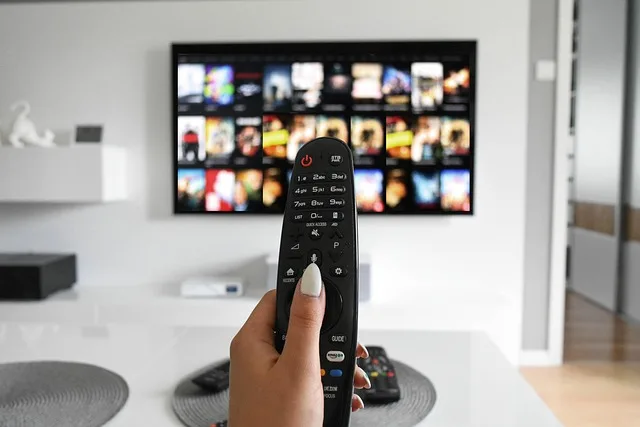
Cutting the cord is easy; choosing the right IPTV service is the tricky part. Packages, channel lists, apps, and stream stability can vary a lot from one provider to another. This guide walks you through the essentials—what to look for, how to test a provider the smart way, and how to set yourself up for a smooth, buffer-free experience. If you’re narrowing options, start by shortlisting contenders for the best iptv based on reliability, channel coverage, and real user feedback rather than just flashy marketing.
What IPTV Is—and Why It’s So Popular
Internet Protocol Television streams live TV and on-demand content over your internet connection instead of cable or satellite. That swap brings three big wins:
- Flexibility: Watch on smart TVs, streaming sticks, phones, tablets, and laptops.
- Choice: Thousands of channels, plus VOD libraries, sports, and international content.
- Value: Plans often cost less than traditional cable bundles.
Key Factors That Separate Great Services from the Rest
When evaluating providers available to Canadians, weigh these criteria carefully:
1) Stream Stability and Uptime
A beautiful interface means nothing if the stream freezes. Look for providers with:
- Consistent uptime (99%+).
- Auto-switching backup streams for popular channels.
- Low start-time to play (ideally under two seconds on a good connection).
2) Picture Quality and Audio
Minimum expectations today:
- HD across core channels, with 4K for premium sports/movies where available.
- Adaptive bitrate so picture quality gracefully adjusts if bandwidth dips.
- Surround sound on marquee content when possible.
3) Channel Coverage You’ll Actually Watch
Make a shortlist of must-have channels before you compare lineups. Balance:
- Local and regional Canadian channels (news, sports).
- Sports packages (hockey, football, cricket, soccer) including event PPV access if you follow major tournaments.
- International and specialty channels (language, lifestyle, kids, documentaries).
4) VOD, Catch-Up, and EPG
Quality of life matters:
- VOD: Large, frequently updated libraries organized by genre.
- Catch-Up/Time-Shift: Replay missed shows from the past 24–72 hours.
- EPG (Guide): Accurate, clean, fast to scroll, with search and favorites.
5) App Experience and Device Support
Check native apps for platforms you own (Android TV, Fire TV/Stick, iOS, iPadOS, Samsung/LG where supported). A good app should:
- Open quickly, resume exactly where you left off, and support profiles.
- Offer fast channel zapping and a responsive guide.
- Include parental controls and subtitle options.
6) Multi-Screen and Account Limits
If your household watches on multiple screens, confirm:
- Concurrent stream limits (e.g., 2–4).
- IP/device policy (some lock to a certain number of devices).
7) Support, Setup Guides, and Community
Look for clear setup tutorials, responsive support chat/email, and an active user community or FAQ hub to speed up troubleshooting.
How Fast Should Your Internet Be?
Use these practical baselines (wired Ethernet beats Wi-Fi when possible):
- HD streaming: 10–15 Mbps per stream
- 4K streaming: 25 Mbps per stream
- Add a 20–30% buffer if others in the home are gaming or video calling.
If your router is older than three to four years, consider upgrading; modern routers handle congestion and device handoffs better.
Try Before You Buy with a Trial
A short trial reveals more than any sales page ever will. A reputable provider will offer an evaluation window so you can verify stability at your address, with your devices, during your real viewing hours (especially live sports). If you’re ready to test, request an iptv free trial and run through the checklist below during real-world use.
Your 30-Minute Trial Checklist
- Prime-time test: Watch a popular channel at night (when networks are busiest).
- Channel hop: Switch through 15–20 channels; note zap speed and load time.
- Sports stress test: Motion makes compression flaws obvious—watch a live match.
- VOD scan: Play three random titles to gauge quality and metadata accuracy.
- EPG search: Find a show by name; add favorites; try catch-up if offered.
- Multi-device check: Play on TV and phone simultaneously (if your plan allows).
- Wi-Fi vs. Ethernet: If possible, try both and compare stability.
Comparing Providers for Canadians
Coverage and performance can vary by region and even ISP. Build a quick comparison grid with rows for each provider and columns for:
- Core channel coverage (locals + your must-haves)
- Sports/international add-ons
- HD/4K mix
- Concurrent streams
- App platforms supported
- Trial length
- Monthly vs. annual pricing
This structure will help you identify real contenders for the best iptv canada without getting lost in marketing claims.
Smooth Setup on Popular Devices
A clean setup today saves hours later. Here’s a fast path for common platforms:
Android TV / Google TV (Sony, Hisense, Chromecast with Google TV)
- Update the OS and clear storage space.
- Install the provider’s recommended app (or a compatible IPTV player).
- Log in, download EPG data, and set your favorites.
- Enable match content frame rate if available for buttery sports motion.
Amazon Fire TV/Fire Stick
- Update Fire OS and app store.
- Use the app the provider recommends; sideload only if necessary and safe.
- Turn off background apps you don’t use; Fire Sticks have modest RAM.
Smart TVs (Samsung Tizen, LG webOS)
- If the provider has a native app, use that for the best integration.
- Otherwise, consider a dedicated streaming stick (Fire TV or Google TV) for better app choice and faster updates.
iOS/iPadOS
- Confirm the App Store client supports your provider’s format (portal, M3U, Xtream Codes).
- Use AirPlay to test performance on a TV before buying extra hardware.
Red Flags to Watch Out For
- No trial, no refunds: Trustworthy services let you test first.
- Vague channel lists: If you can’t see a sample lineup, be cautious.
- Constant buffering on a fast connection: Likely server congestion.
- Out-of-date apps: Slow updates often mean poor long-term support.
- Pushy upsells: Transparency beats pressure.
Practical Troubleshooting Tips
- Ethernet first: If you can wire your TV/box to the router, do it.
- Change Wi-Fi band: 5 GHz is faster but shorter range; 2.4 GHz travels farther.
- Reboot chain: Modem → router → streaming device.
- Clear app cache: Speeds up guide loading and reduces glitches.
- Try a different DNS: Sometimes improves channel load times.
- Avoid peak congestion: If your ISP slows in the evening, plan recordings/catch-up.
Staying Within the Rules
Always follow your local laws and your ISP’s terms of service. Stick with providers that respect copyrights, protect user privacy, and are transparent about what they offer.
Quick FAQ
Do I need a VPN?
Not always. Many viewers don’t need one for regular use. If you do use a VPN, pick a fast, nearby server and test during your trial to ensure it doesn’t introduce buffering.
Can I replace cable entirely?
If your must-have channels and sports are available and streams stay stable during peak hours, yes—many households switch completely.
Is 4K worth it?
For big screens and live sports, absolutely—provided your connection can sustain it and the provider delivers true 4K feeds, not just upscaled HD.
Bottom Line
The smartest path is simple: shortlist, test, and then subscribe. Start with a stable, well-supported option, verify it during busy hours, and make sure the channel mix fits how your household watches. With a careful trial and the right setup, you can enjoy a richer lineup, better flexibility, and often a lower bill than legacy cable.