



K-beauty is no longer a niche—it’s a global powerhouse. In the first half of 2025, Korea’s cosmetics exports reached $5.51 billion, a 14.8% year-over-year increase, signaling rapid international appetite for design-forward beauty brands. Notably, exports to the U.S. surged by 57%, as American consumers increasingly embrace Korean skincare innovations.
At the heart of this globalization is Dahee Choi, a graphic designer at Amorepacific US. Her strategic design leadership powers visual campaigns for brands like Innisfree and Laneige, making them resonate across borders.
Transforming Influencer Engagement: Mailers That Deliver Results
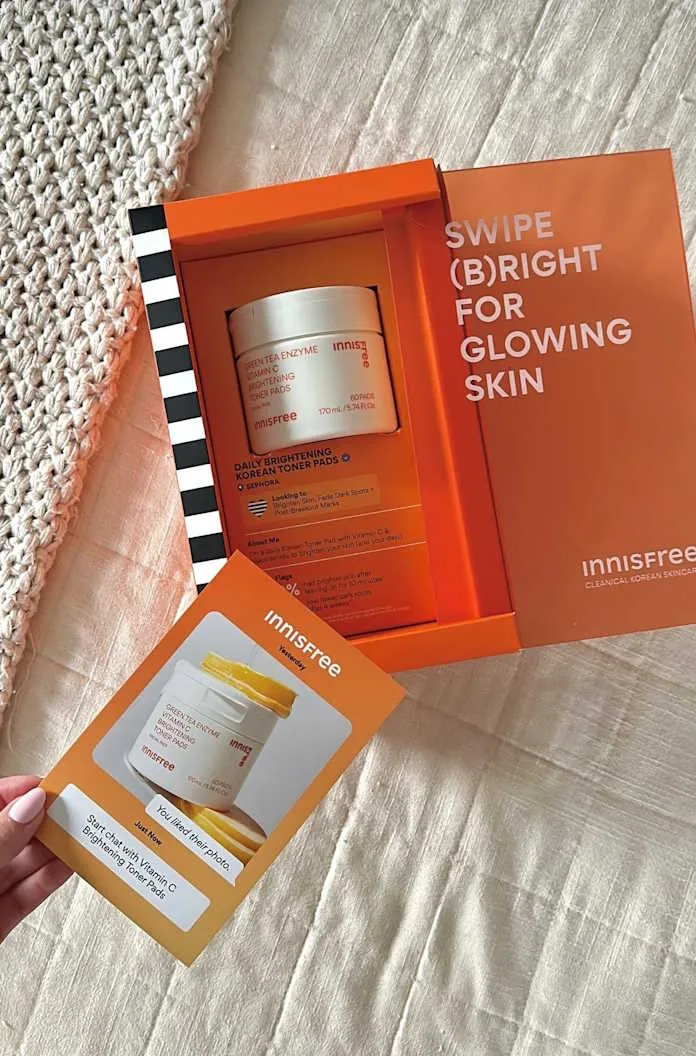
Influencer mailers have evolved into immersive brand experiences—not just promotional tools. Choi led the creative direction for Innisfree’s flagship mailers, including the Daily UV Sunscreen, Vitamin C Toner Pads, Volcanic Clay Mask, and seasonal gift sets.
“These mailers are about more than giving products—they’re about creating a connection. From textures to layout, every detail was designed to feel intentional and elevated.”
Each campaign reached hundreds to thousands of influencers and delivered around $500,000 in earned media value. Research confirms that influencer marketing significantly increases brand awareness, trust, and purchase intent by fostering a personal connection with consumers. Influencers’ ability to deliver authentic, relatable content helps drive engagement and conversions compared to traditional advertising, with some studies showing ROI up to 11 times higher than banner ads.
Redefining Global Campaigns for ELEMIS
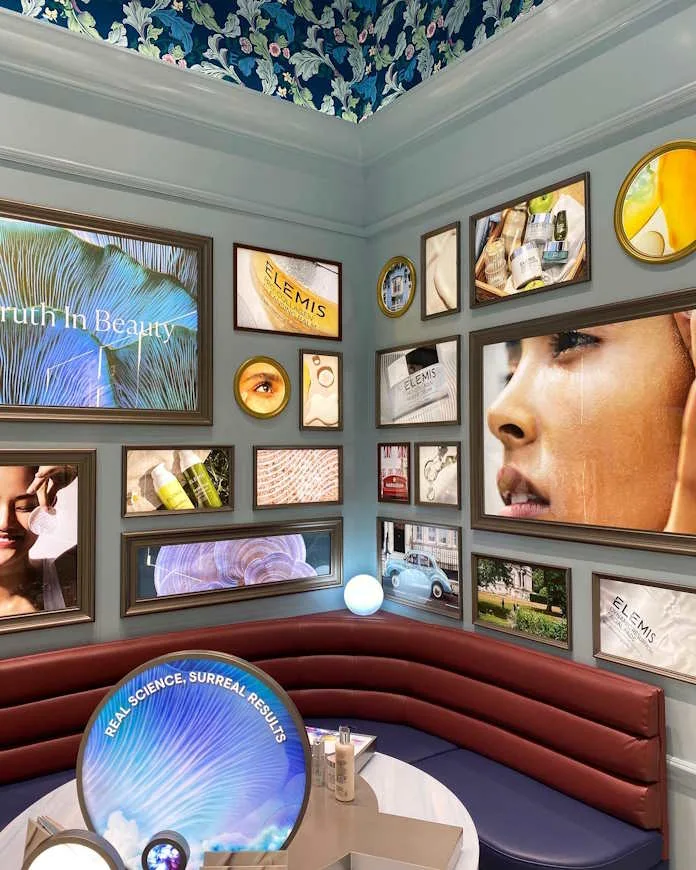
Choi also contributed significantly to the visual overhaul of ELEMIS, a British luxury skincare brand. During her career in New York, she worked on multiple campaigns, including the Cleansing Campaign, Dynamic Resurfacing Campaign, Essence of ELEMIS Campaign, Holiday 2021 Campaign, and Superfood Campaign. She provided art direction to ensure that campaign visuals were presented effectively across digital platforms, including emails, SMS, paid social ads, and onsite e-commerce assets, maintaining clarity, cohesion, and brand alignment. The challenge was blending the brand’s heritage with a modern global aesthetic that resonates across diverse channels. Her designs were deployed across multiple platforms—including Sephora, Amazon, QVC, Neiman Marcus, and other luxury retail partners worldwide—ensuring consistency and impact at every touchpoint. A McKinsey report found that brands investing in cohesive visual systems see a 32% revenue growth increase over competitors, a trend reflected in the measurable outcomes of Choi’s campaigns.
Design That Puts People First
At the heart of Choi’s approach is empathy for the user. She believes that good design is not just about aesthetics—it’s about understanding how people interact with a space, a product, or a visual message. By observing how people engage with her designs, Choi gains real-time insights that inform her creative decisions. She notes which elements draw attention, how long people linger at a display or sign, and which aspects are often overlooked. She tracks where people take the most photos, which products capture interest, and which items ultimately sell the most.
“It’s one thing to create something that looks good, but the real success is seeing how it influences behavior,” Choi explains. “Incorporating these observations into a process of trial and error for each space and event has been one of the most valuable learning lessons of my career. It helps refine every detail, from the placement of a shelf to the layout of a campaign sign, so that the design truly connects with people.”
Studies in human-centered design show that experiences built around user behavior can improve engagement by up to 60%, reinforcing why Choi prioritizes observation, iteration, and constant refinement. This methodology ensures that each design decision not only delights but also drives tangible outcomes in terms of attention, interaction, and conversion.
A Career Built Between Cultures
Choi’s career bridges continents and cultures, giving her a rare perspective on how design communicates across diverse audiences. Growing up in South Korea and moving to the U.S. as a teenager, she learned early how subtle visual cues—color, layout, iconography—can be interpreted differently depending on cultural context. This sensitivity informs every campaign she touches.
From December 2019 through 2022, Choi worked at Amorepacific’s New York office, initially in-person and then remotely during the pandemic, focusing on creative projects for the U.S. market. In 2022, she began overseeing and managing global creative assets for international markets, ensuring cohesive brand representation across regions including Asian markets such as Hong Kong, China, Singapore, and Thailand, as well as European countries including Italy and Germany. This role allowed her to align campaigns with both local sensibilities and global brand identity.

Looking Ahead: Scaling K-Beauty Globally
As Choi looks to the future, her goal is not only to continue her work at Amorepacific US but to expand K-beauty’s presence on a global scale. She envisions leveraging design as a strategic tool that bridges cultural gaps, turning every visual touchpoint into an opportunity to connect with new audiences.
“I want to bring the lessons I’ve learned—from observing consumer behavior in stores, testing visual layouts, to refining campaigns for international markets—to help K-beauty brands grow thoughtfully and sustainably,” Choi says. “It’s about more than aesthetics; it’s about creating experiences that resonate and convert across cultures.”
Choi also emphasizes the importance of integrating data-driven insights with creative strategy. By analyzing engagement metrics, social media trends, and in-store behavior, she aims to continuously optimize campaigns for maximum impact. “Design isn’t just how something looks,” she notes. “It’s how it communicates, how it persuades, and how it drives results.”
Looking forward, Choi plans to mentor emerging designers and foster cross-border collaboration, building teams that can maintain cultural sensitivity while scaling globally. Her ambition is to see K-beauty not just as a niche category but as a mainstay in international skincare markets—driven by design that is both innovative and culturally aware.